


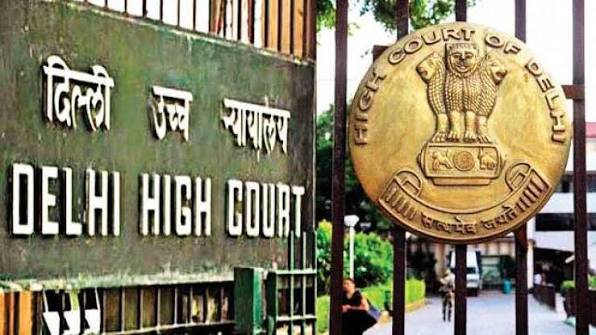
Delhi High Court to Urgently Hear Plea to Halt Connaught Place Protest
The CSR Journal Magazine

The Delhi High Court has agreed to conduct an urgent hearing regarding a plea aimed at halting a protest organised by Abhijeet Dipke, founder of the Cockroach Janta Party (CJP), at Central Park in Connaught Place on October 16. This decision follows the recent detention of CJP members Saurav Das and Ashutosh Ranka, who have been placed in five-day judicial custody for allegedly breaching their peace bonds and unlawfully entering Jantar Mantar, which is no longer recognised as a designated protest area.

Senior advocate Sacchin Puri raised the matter for urgent consideration before a bench comprising Acting Chief Justice Nitin Wasudeo Sambre and Justice Sanjay Sharma. Puri expressed concerns about the implications of the protest, stating, “In the heart of Connaught Place Central Park, a protest is called. It seems we are being targeted. This is not a site for protest. They have already started shutting down. This is the Dussehra weekend. This protest has to be stopped.”

Concerns Over Timing and Location

The bench acknowledged that the Supreme Court was also scheduled to deliberate on protest-related issues that day. Consequently, the judges instructed the counsel to inform the other parties involved and to return to the court at 2.30 pm for further proceedings. The timing of the proposed protest coincides with significant cultural events, raising additional concerns among local authorities and residents.

Dipke has appealed to “patriots” to assemble at Central Park in Delhi’s commercial centre, carrying the national flag. He has claimed that Das and Ranka were “jailed for unfurling the Tricolour,” framing their detention as a matter of national pride. This assertion has sparked discussions about freedom of expression and the right to protest within the capital.

The call for protest was made on the same day that Das and Ranka were remanded to judicial custody and subsequently transferred to Tihar Jail. They face allegations of violating their peace bonds and trespassing into a location that is no longer sanctioned for protests.

Background of Protests in Central Delhi

Central Delhi has seen a surge in protests led by opposition parties, student groups, and civil society organisations since June and July. These demonstrations have centred around various issues, including concerns regarding the functioning of the Election Commission. The increasing frequency of protests has prompted legal challenges and calls for regulation from various stakeholders, including lawyer Rishabh Saxena and local traders.

Earlier, Saxena and other traders approached the Delhi High Court, seeking to establish guidelines for protests within the capital. Their concerns reflect a growing unease about the impact of protests on daily life and business activities in the city. The court’s decision to hear the plea against the upcoming Connaught Place protest highlights the ongoing tension between the right to assemble and the need for public order.

The High Court’s upcoming hearing will address the legality of the proposed protest and its implications for the local community. As the situation evolves, the court’s ruling may set a precedent for how protests are managed in urban areas, particularly during significant public holidays and events.

Long or Short, get news the way you like. No ads. No redirections. Download Newspin and Stay Alert, The CSR Journal Mobile app, for fast, crisp, clean updates!

App Store – https://apps.apple.com/in/app/newspin/id6746449540

Google Play Store – https://play.google.com/store/apps/details?id=com.inventifweb.newspin&pcampaignid=web_share

Latest News

Popular Videos
