


Between Devotion and Spectacle, What is Durga Puja Becoming in Bengal
The CSR Journal Magazine

The complexities surrounding Durga Puja in West Bengal are increasingly evident, as the festival grapples with changing perceptions and expectations. This year’s Bijoya Dashami marked the end of the celebration, leaving a bitter feeling for some participants, particularly children who enjoyed the festivities. A poignant image emerges of a young boy, clad in new attire, lamenting the end of the four-day event. His sadness mirrors a collective sense of loss as daily routines take centre stage once again.

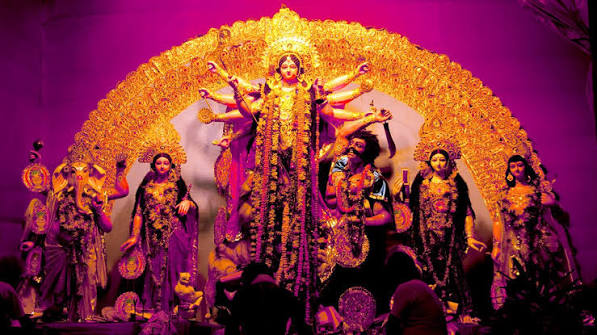
For decades, the festival has represented more than just religious observance for the Bengali community. On Mahalaya, families would listen to Birendra Krishna Bhadra’s voice through the iconic Akashvani Kolkata production, which heralds the arrival of Goddess Durga. This tradition has shaped a festive atmosphere that blends culinary delights, aesthetic pandals, and the vibrant participation of local residents. Each idol, meticulously crafted, reflects the artist’s vision, igniting conversations among attendees.

However, the essence of these celebrations faces scrutiny, as recent calls emerge for a return to more traditional practices. The Vishva Hindu Parishad (VHP) has voiced concerns regarding the sale and consumption of non-vegetarian food around the puja pandals. Influential figures such as Baba Bageshwar have also contributed to this dialogue, labelling those who enjoy such foods during the festivities as hypocritical. The intensifying debate raises questions about the balance between tradition and the evolving nature of the festival.

Controversies Surrounding Artistic Expression

As Durga Puja approaches, varying opinions on the idol’s representation have surfaced among community leaders. Sajal Ghosh, a BJP MLA, has voiced his dissatisfaction with deviations from traditional forms. He argues that statues meant for worship must adhere closely to established standards, resisting artistic experimentation. Ghosh references instances where idols appeared altered to feature contemporary political figures, claiming such distortions can offend devotees’ religious sentiments.

Ironically, Ghosh’s organisation office celebrates its own themed pujas, indicating a dichotomy within the community’s attitude towards artistic interpretation of this festival. He maintains that while theme-based pujas can be beneficial, the integrity of the Durga idol must remain intact. Echoing this sentiment, RSS pracharak Jishu Basu cautioned that artistic liberties jeopardise the respect owed to the idol, viewed as a sacred embodiment of the goddess.

Opposing perspectives from artists highlight the ongoing tension between tradition and modernity. Sanatan Dinda, an artist known for reimagining Durga in compassionate roles reflecting contemporary issues, argues that artistry does not have to compromise religious significance. He defends the right of creators to express their vision while drawing attention to the emotional connections many share with their interpretations of the goddess.

Historical Context and Community Participation

Historically, the grandeur associated with Durga Puja is ingrained in its roots, with luxury and artistic expression evident since its inception. Scholars note that the festival has historically merged religious, artistic, and cultural dimensions, encouraging an inclusive atmosphere. Jawhar Sircar, a former Rajya Sabha MP, reflects on how the joy of worship has always coexisted with celebration, emphasising that Durga Puja serves as a communal tradition beyond strict religious boundaries.

The darting competition among zamindars to create lavish celebrations in earlier centuries underscores how exhibitionism has always been part of the festivities. As Kolkata evolved into a hub of artistic experimentation during the late 20th century, artists received greater opportunities to innovate within the context of the puja, contributing to its depth and richness.

Despite current controversies, the essence of Durga Puja remains connected to the people, who eagerly participate in the rituals and festivities. As discussions regarding tradition versus modernity stir contentious debates, the focus remains on how Bengalis themselves perceive the festival. While the nuances of joy, food, and artistic expression are cherished, the overarching sentiment is a desire to honour communal identity amidst evolving cultural landscapes.

Long or Short, get news the way you like. No ads. No redirections. Download Newspin and Stay Alert, The CSR Journal Mobile app, for fast, crisp, clean updates!

App Store –  https://apps.apple.com/in/app/newspin/id6746449540 

Google Play Store – https://play.google.com/store/apps/details?id=com.inventifweb.newspin&pcampaignid=web_share

Latest News

Popular Videos
