


RBI Expected to Increase Repo Rate By 50 Basis Points By December
The CSR Journal Magazine

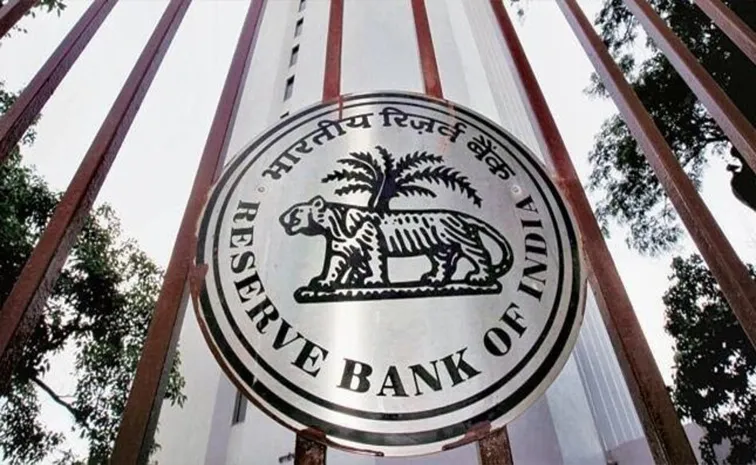
The Reserve Bank of India (RBI) is likely to elevate its benchmark repo rate by a total of 50 basis points by the close of December 2026. This anticipated rise is attributed to escalating inflation risks coupled with surplus liquidity within the banking system, thereby placing increased pressure on monetary policy. Analysts referenced by The Hindu predict that the Monetary Policy Committee (MPC) may implement rate hikes of 25 basis points in both October and December, resulting in a projected repo rate of 6% by the year-end.

The necessity for these rate adjustments arises from the current inflationary environment, which indicates an upward trend. In August 2026, India’s retail inflation increased to 4.82%, up from 4.45% in July. Economists anticipate that the inflation rate for September may approach 5%, further exacerbating concerns. Contributing to these inflationary pressures are rising crude oil prices, which could lead to costs for producers being passed on to consumers.

According to the Systematix Group, inflation may surpass earlier projections made by the RBI if crude oil remains within the $90–$110 per barrel range. This situation could lead to a negative real policy rate if inflation remains elevated, leaving borrowing conditions relatively lenient.

Surplus Liquidity in the Banking Sector

Another significant factor that could sway the RBI’s policy decisions is the extensive liquidity within the banking sector. Notably, foreign currency inflows—particularly through the special non-resident deposit scheme—have added to this surplus. A report from HSBC estimates that inflows into Foreign Currency Non-Resident (Bank) accounts have resulted in a core liquidity surplus of approximately Rs 15 trillion.

The persistence of excess liquidity could potentially lead to inflationary concerns while simultaneously posing risks to financial stability. The dependency of banks on abundant funds from these inflows may contribute to economic imbalances. The maintenance of a stable financial environment is a crucial consideration for the RBI as it navigates these complex dynamics.

Additionally, this surplus liquidity places further pressure on the central bank’s monetary policy. The RBI faces a delicate balancing act, requiring careful monitoring of liquidity levels to mitigate the risk of inflation escalating in the future.

RBI’s Strategies for Liquidity Management

The RBI has already initiated measures to manage surplus liquidity within the banking system. These measures include open market operations (OMOs) and variable rate reverse repo (VRRR) auctions. These tools are designed to absorb excess funds from the banks effectively. Analysts predict that the RBI will intensify these strategies in the forthcoming months, focusing on maintaining stability while addressing inflation concerns.

Through VRRR operations and additional methods, the central bank might withdraw approximately Rs 4 lakh crore of liquidity, in addition to the nearly Rs 2.5 lakh crore that has already been absorbed. This proactive approach is imperative for the RBI to establish a sustainable monetary policy framework, particularly as the economy grapples with ongoing inflationary pressures.

Overall, the policy direction suggests a trend towards a gradual tightening of monetary conditions. The interplay between inflation and liquidity will remain pivotal in shaping the RBI’s decisions as it progresses through the remainder of 2026.

Long or Short, get news the way you like. No ads. No redirections. Download Newspin and Stay Alert, The CSR Journal Mobile app, for fast, crisp, clean updates!

App Store –  https://apps.apple.com/in/app/newspin/id6746449540 

Google Play Store – https://play.google.com/store/apps/details?id=com.inventifweb.newspin&pcampaignid=web_share

Latest News

Popular Videos
