


Isro to Launch NVS-03 Navigation Satellite on October 30
The CSR Journal Magazine

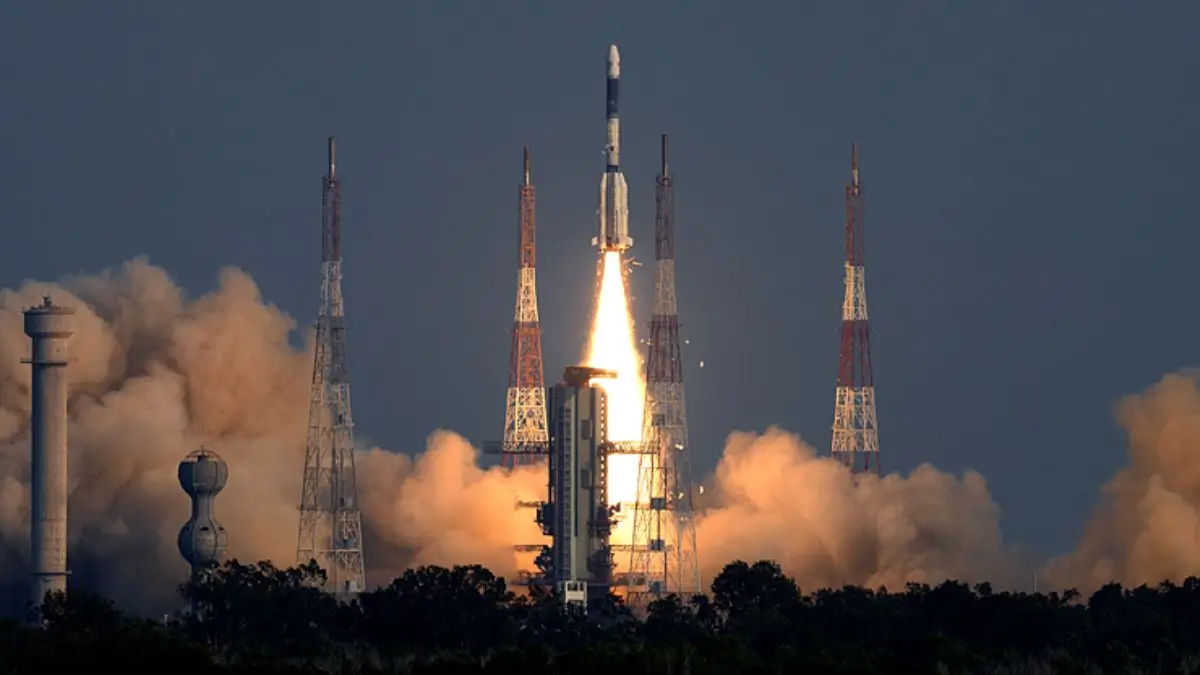
The Indian Space Research Organisation (Isro) is set to launch its navigation satellite NVS-03 aboard the GSLV-F18 rocket on October 30. This mission is notable for a significant engineering choice, marking a first in Isro’s 51-year history of satellite launches. Senior officials have confirmed that the pyro valves of the satellite will be opened prior to the launch, a departure from traditional procedures.

This decision comes in the wake of the NVS-02 mission, which faced a propulsion-system failure in January 2025, leaving the satellite stranded in geosynchronous transfer orbit. The new approach aims to mitigate the specific failure mechanism that hindered NVS-02’s performance, although it has raised concerns within the space community regarding the associated risks.

Experts have expressed apprehensions about the implications of altering a long-standing configuration that typically isolates spacecraft propellant during launch. The decision to open the pyro valves beforehand is intended to prevent a repeat of the issues encountered with NVS-02.

Analysis of NVS-02 Failure

NVS-02 was launched successfully aboard GSLV-F15 on January 29, 2025, and was initially placed in geosynchronous transfer orbit. However, it failed to perform the necessary orbit-raising manoeuvres to reach geostationary orbit. An investigation by Isro revealed that the oxidiser could not flow to the liquid apogee motor due to a failure in the electrical drive signal reaching the pyro valve.

The Apex Committee concluded that the failure likely stemmed from the disengagement of at least one contact in both the main and redundant paths of a connector. This malfunction prevented the oxidiser from reaching the propulsion system, thereby inhibiting the satellite’s ability to fire its engine for the final orbital insertion.

Pyro valves are designed as single-use mechanisms that open a sealed passage through pyrotechnic action. Once activated, they cannot be closed again, and are essential for isolating fuel and oxidiser until the appropriate mission phase. For NVS-03, Isro’s decision to open these valves before launch eliminates the need for the critical post-launch activation that failed during the NVS-02 mission.

Importance of NVS-03 for India’s Navigation System

NVS-03 represents the third satellite in the second generation of India’s Navigation with Indian Constellation (NavIC), an independent satellite navigation system. It follows the successful launch of NVS-01 in May 2023 and the unsuccessful orbit-raising manoeuvre of NVS-02. The new generation of satellites aims to rejuvenate the ageing navigation constellation and introduce enhanced capabilities, including the L1 navigation signal alongside the existing L5 and S signals.

This satellite also incorporates indigenous atomic-clock technology, which is vital for accurate navigation. The GSLV-F18 rocket is expected to place the approximately 2,250-kg satellite into geosynchronous transfer orbit, from where its liquid apogee motor will elevate it into geostationary orbit, approximately 37,000 km above Earth.

Thus, the upcoming launch is not merely routine; its success hinges on both the rocket achieving the intended transfer orbit and NVS-03 executing the essential propulsion manoeuvres that NVS-02 could not. This mission will serve as a critical test of Isro’s revised strategy, aiming to ensure the successful addition of a vital component to India’s independent navigation infrastructure.

Long or Short, get news the way you like. No ads. No redirections. Download Newspin and Stay Alert, The CSR Journal Mobile app, for fast, crisp, clean updates!

App Store – https://apps.apple.com/in/app/newspin/id6746449540

Google Play Store – https://play.google.com/store/apps/details?id=com.inventifweb.newspin&pcampaignid=web_share

Latest News

Popular Videos
