


Iran Proposes Reopening Strait of Hormuz for Sanctions Relief and Ceasefire
The CSR Journal Magazine

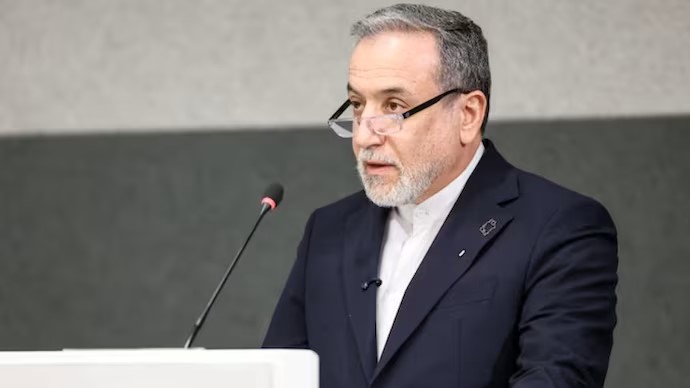
Iran has proposed to reopen the Strait of Hormuz and initiate discussions regarding its nuclear programme within a week. This offer is contingent upon the United States lifting its naval blockade, removing sanctions on Iranian oil exports, and agreeing to a ceasefire that includes Lebanon. The details were revealed by Iran’s Foreign Minister, Abbas Araghchi, during a private meeting held on the periphery of the UN General Assembly in New York on Thursday.

This proposal marks a significant diplomatic gesture amid ongoing tensions between Tehran and Washington. Despite efforts to engage in talks, both nations remain cautious, with past negotiations failing to yield substantial results. The latest offer suggests a possible acceleration of diplomacy.

Trita Parsi, who serves as the executive vice president of the Quincy Institute think tank and was present at the meeting, indicated that Araghchi’s remarks suggested an expedited agreement could potentially benefit US President Donald Trump prior to the midterm elections scheduled for November.

Context of Diplomatic Engagement

This proposal resembles a Memorandum of Understanding established in June, although the current offer outlines a much tighter timeline for negotiations. The earlier understanding provided for a 60-day interim period but quickly faltered after Iran resumed attacks on shipping activities in the key maritime route.

While Trump has publicly stated that he is not in a hurry to finalise a deal, rising oil prices have heightened inflation concerns, compounding issues related to the cost of living in the United States. Parsi further commented on the complexities surrounding the political dynamics in Iran, noting the scepticism about whether hard-liners within the Iranian security apparatus would endorse compromises advocated by comparatively moderate officials like President Masoud Pezeshkian.

Parsi expressed that if Trump assesses this arrangement to be politically advantageous, and it could alleviate gasoline prices, there might be unprecedented flexibility in negotiations. However, he also acknowledged a prevailing mistrust regarding Iran’s intentions, particularly the concern that Iran may merely be attempting to gain time to bolster its oil exports to alleviate its economic struggles.

Recent Diplomatic Developments

The diplomatic landscape appears to be shifting, as evidenced by Pezeshkian’s recent meeting with the Prime Minister of Qatar. Qatar has played an instrumental role as a mediator, especially during indirect talks between Iran and the U.S. at the UN earlier this week. The duration of Pezeshkian and Araghchi’s stay in the U.S. following Pezeshkian’s address to the UN assembly on Wednesday remains uncertain.

On Wednesday, U.S. Secretary of State Marco Rubio articulated that should there be an opportunity to exchange ideas and messages, the U.S. would be open to it. This statement further illustrates a willingness to engage in dialogue, despite the ongoing tensions.

In summary, the latest proposal from Iran signals a potential resurgence of diplomatic efforts, although lingering distrust and the collapse of previous discussions continue to overshadow the prospects for successful negotiations. The coming days may reveal further developments as parties navigate this intricate geopolitical situation.

Long or Short, get news the way you like. No ads. No redirections. Download Newspin and Stay Alert, The CSR Journal Mobile app, for fast, crisp, clean updates!

App Store –  https://apps.apple.com/in/app/newspin/id6746449540 

Google Play Store – https://play.google.com/store/apps/details?id=com.inventifweb.newspin&pcampaignid=web_share

Latest News

Popular Videos
