


Iran Offers Proposal to US for Strait of Hormuz Reopening
The CSR Journal Magazine

Iran has introduced a fresh proposal to the Trump administration during this week’s UN gathering in New York, aimed at resolving seven months of conflict. The deal intends to reopen the vital Strait of Hormuz within a week, contingent upon the US lifting its military blockade of Iranian ports, releasing frozen assets, and suspending sanctions on Iranian oil exports. This proposal echoes a previous agreement from June that quickly disintegrated.

Indirect negotiations between the two nations resumed for the first time in months, although the rhetoric from both sides remained aggressive. US President Donald Trump warned of severe consequences for Iran, while Iranian President Masoud Pezeshkian stated Iran would defend itself with unwavering resolve. However, he also conveyed Tehran’s willingness to engage in diplomatic discussions.

On Saturday morning, President Trump shared a map of the strategic waterway on social media, referring to it as the “Trump Strait.” The Iranian state media reported that Pezeshkian was travelling back to Iran, signifying a temporary halt in discussions.

Details of the Proposal and Its Implications

The US and Iranian representatives conducted three hours of indirect talks through mediators on Tuesday. This marked the first contact since the earlier agreement aimed at nuclear negotiations failed shortly after its signing. US Secretary of State Marco Rubio commented that the latest discussions were promising and indicated Washington’s openness to continued dialogues.

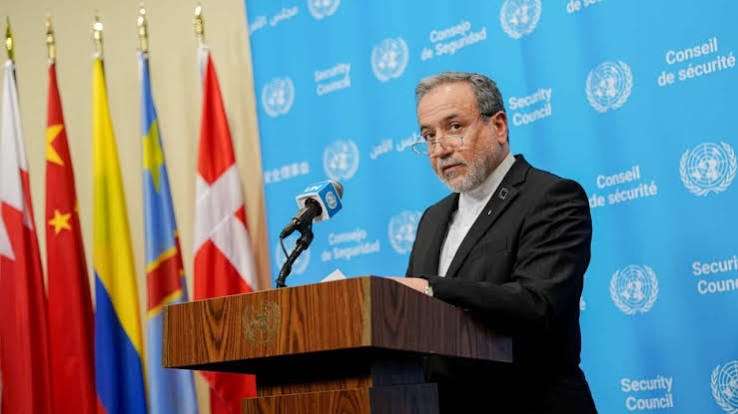
During private discussions at the UN meeting on Thursday, Iran’s chief diplomat revealed details of the new proposal to US officials. The essence of the proposal consists of crucial issues that have hindered both parties. Iran maintains that reopening the Strait of Hormuz would not only stabilise global markets but also alleviate pressure on US military operations in the region, which has been assisting commercial vessels amidst threats of Iranian attacks.

For Iran, the essential components of the proposal include an end to the US naval blockade and leniency on oil sale sanctions, which would enable it to increase crude exports. This comes at a time when Iran’s economy is grappling with soaring inflation and a depreciating currency.

Political Timing and Regional Diplomacy Factors

The proposal’s key distinction from prior, unsuccessful attempts is its expedited timeline, suggesting that a swift agreement could benefit Trump ahead of the approaching November midterm elections. To emphasise Tehran’s urgency, Pezeshkian met with Qatar’s Prime Minister on Friday, as Qatar is mediating the indirect discussions.

Iran’s Foreign Minister, Abbas Araghchi, later stated that the decision now lies with the United States, while the White House described the US officials’ conversations with mediators as constructive. Tehran has also been engaged in prolonged discussions with Oman on managing shipping flow across the strait.

Analysts interpret Iran’s latest diplomatic moves as a strategic assessment of the political landscape in the US. Observers noted that Trump appears unwilling to rush into an agreement as sanctions continue to impact Iran’s economy. There has thus far been no further clarification from the White House regarding Trump’s “Trump Strait” remark, and while Araghchi’s departure from New York remains unconfirmed, Iranian security forces issued warnings about potential further military actions. Consequently, indirect contacts between the two countries have resumed, yet a formal agreement still eludes them.

Long or Short, get news the way you like. No ads. No redirections. Download Newspin and Stay Alert, The CSR Journal Mobile app, for fast, crisp, clean updates!

App Store –  https://apps.apple.com/in/app/newspin/id6746449540 

Google Play Store – https://play.google.com/store/apps/details?id=com.inventifweb.newspin&pcampaignid=web_share

Latest News

Popular Videos
