


High Voter Turnout in Kerala & Assam: Women and Youth Lead the Surge at Polls
The CSR Journal Magazine

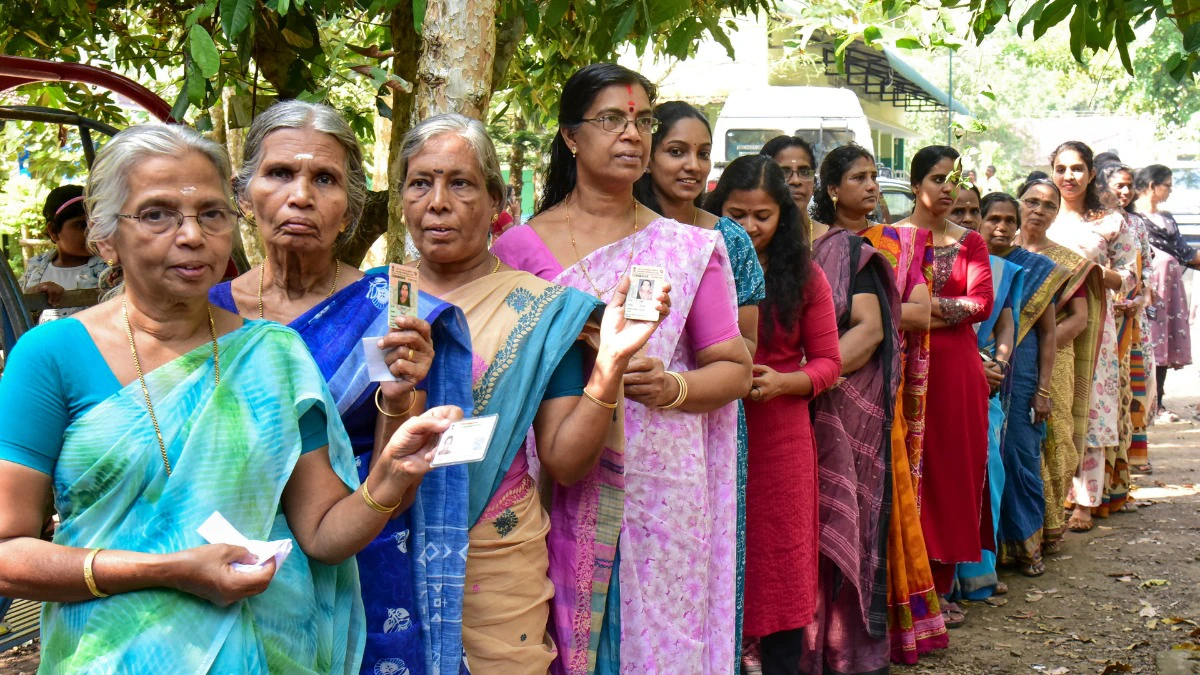
The recent elections in Kerala and Assam have witnessed a significant voter turnout, with reports indicating a particularly high percentage of participation from women and youth. This surge in engagement has been noted across various constituencies, highlighting a crucial aspect of the electoral process in these regions.

Reports suggest that in Kerala, the overall voter turnout reached an impressive figure, markedly higher than previous elections. Women, specifically, contributed to this trend, with their participation reportedly exceeding that of male voters in several districts. The active involvement of youth has also been a notable factor, as many first-time voters took to the polling stations.

In Assam, the scene was similar, as many young voters turned out in large numbers, showcasing their commitment to the democratic process. The state recorded a substantial voter turnout, and the proportion of women involved was integral to this achievement. The elections have been seen as a crucial opportunity for the electorate, particularly among these demographic groups.

Election Context and Significance

The elections held in Kerala and Assam are considered to be a vital component of the democratic framework in India. These regions have historically displayed varying patterns of voter engagement, and this year’s increased participation is being interpreted as a positive trend towards greater political awareness among citizens.

The rise in voter turnout is thought to correlate with various initiatives aimed at encouraging electoral participation. Awareness campaigns and outreach programmes have been central to mobilising residents, particularly focusing on younger demographics and women. Such efforts reportedly helped to inform voters about the significance of their participation in shaping governance and policy.

Moreover, international observers and local analysts have pointed out that this trend may indicate a shift in the political landscape, as more citizens—especially youth—become involved in electoral processes. The implications of this engaged electorate could influence political parties to address issues pertinent to younger generations and women’s rights more earnestly.

Challenges Faced and Future Outlook

Despite the positive turnout, both states faced a range of challenges during the electoral process. Reports indicate logistical issues in some areas, where voters encountered difficulties accessing polling booths. Additionally, incidences of misinformation were noted, which may have influenced some voters’ decisions and willingness to participate.

Looking ahead, civic organisations and electoral bodies emphasise the need for sustained efforts to maintain high levels of voter engagement. Strategies aimed at addressing logistical challenges and countering misinformation will be critical for subsequent elections. Continuous education regarding the electoral process is also essential to foster informed electorates.

The high turnout in these recent elections serves as a reminder of the importance of engaging citizens in democratic processes. The emphasis on women’s and youth involvement suggests that their voices are increasingly being recognised in the political sphere. Future electoral campaigns may benefit from building on these developments, creating a more inclusive political dialogue across all demographics.

Long or Short, get news the way you like. No ads. No redirections. Download Newspin and Stay Alert, The CSR Journal Mobile app, for fast, crisp, clean updates!

App Store –  https://apps.apple.com/in/app/newspin/id6746449540 

Google Play Store – https://play.google.com/store/apps/details?id=com.inventifweb.newspin&pcampaignid=web_share

Latest News

Popular Videos
