


Government of India Mandates Caller ID with Name Display from November 1, 2026
The CSR Journal Magazine

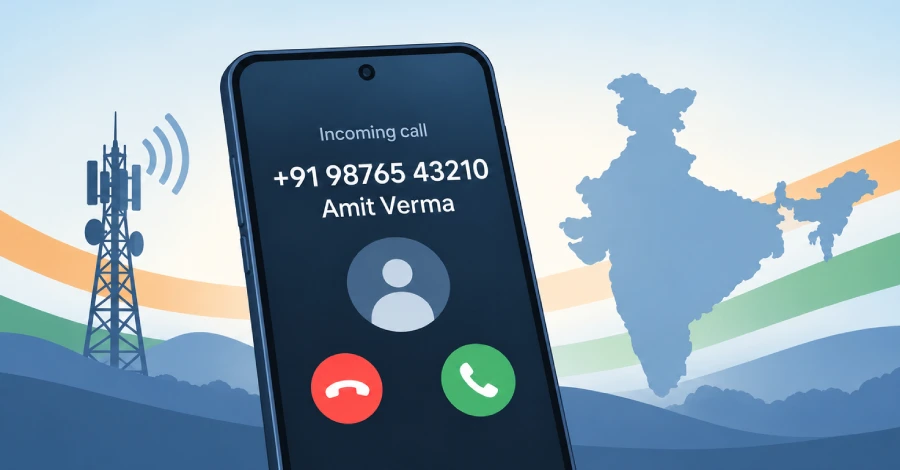
The Government of India has announced a significant change in the way users will identify incoming calls. From 1 November 2026, the Department of Telecommunications (DoT) will require telecom service providers (TSPs) to implement a system known as Calling Name Presentation (CNAP). This initiative aims to enhance caller identification by displaying both the name and number of the caller, thereby reducing the incidence of unknown or spam calls.

CNAP is designed to function on 4G and higher-generation mobile networks, including 5G. This means that users on these networks will automatically have the feature activated, allowing them to see who is calling before answering the phone. The move is part of the government’s broader strategy to improve communication transparency and user experience in the telecom sector.

While the initial rollout focuses on modern mobile networks, the DoT has indicated that the implementation of CNAP on older 2G and 3G networks, as well as public switched telephone networks, will be addressed separately. This phased approach aims to ensure that the transition is smooth and effective across different technologies.

Details of the Calling Name Presentation System

The Calling Name Presentation system is expected to significantly reduce the number of unwanted calls that users receive. By displaying the caller’s name alongside their number, individuals will have a clearer understanding of who is attempting to reach them. This feature is particularly beneficial in a landscape where telemarketing and spam calls have become increasingly prevalent.

According to the DoT, the introduction of CNAP is a response to growing concerns about privacy and security in telecommunications. Users have expressed a desire for greater control over their communications, and this initiative aims to address those needs. The government believes that by mandating caller ID, it can foster a more secure and user-friendly environment for mobile communication.

Telecom operators will be required to ensure that their systems are capable of supporting this feature by the specified date. The DoT has emphasised the importance of compliance, indicating that failure to implement CNAP could result in penalties for service providers. This regulatory measure underscores the government’s commitment to improving the overall quality of telecom services in the country.

Future Implications for Telecom Users

The introduction of mandatory caller ID is expected to have far-reaching implications for telecom users in India. With the ability to see who is calling, users may feel more secure when answering their phones, potentially leading to increased engagement in communication. Additionally, businesses may benefit from improved connectivity with clients and customers, as the likelihood of calls being ignored due to unknown numbers decreases.

Moreover, this initiative could pave the way for further advancements in telecom technology in India. As the government continues to prioritise user experience and security, it may explore additional features that enhance communication, such as advanced spam filters and improved call management tools. The introduction of CNAP could serve as a foundation for these future developments.

As the rollout date approaches, users are encouraged to stay informed about the changes and how they will impact their daily communication. The DoT has committed to providing updates and guidance to both consumers and service providers to ensure a successful implementation of the Calling Name Presentation system.

Long or Short, get news the way you like. No ads. No redirections. Download Newspin and Stay Alert, The CSR Journal Mobile app, for fast, crisp, clean updates!

App Store – https://apps.apple.com/in/app/newspin/id6746449540

Google Play Store – https://play.google.com/store/apps/details?id=com.inventifweb.newspin&pcampaignid=web_share

Latest News

Popular Videos
