


Global Dengue Surge Linked to Rising Temperatures: WMO Report
The CSR Journal Magazine

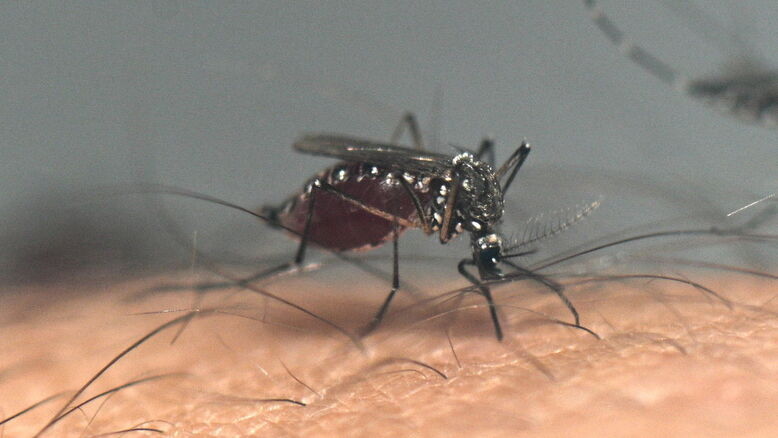
According to the new State of Global Climate 2025 report released by the World Meteorological Organization (WMO), the years from 2015 to 2025 are recorded as the hottest in history. The report highlights how climate change influences public health, specifically the increase in dengue cases globally. The WMO identifies dengue as the fastest-growing mosquito-borne viral disease worldwide. Elevated temperatures affect the biology of the Aedes aegypti mosquito, which transmits dengue, resulting in millions of cases reported each year.

Research indicates that even a slight increase in temperature can significantly influence dengue transmission rates. A 2025 study published in the BMC Public Health journal revealed that a one-degree Celsius rise in temperature could lead to a 13% increase in the likelihood of dengue infection. The peak of viral replication occurs at temperatures between 32 and 35 degrees Celsius. Warmer climates accelerate the life cycles of mosquitoes, enabling faster breeding and reducing the time for the dengue virus to become infectious. Overall, these factors contribute to an increased rate of disease transmission.

Global warming is also expanding the habitats conducive to mosquito survival. Areas previously deemed unsuitable, such as higher altitudes and cooler regions, are becoming liveable for these insects as temperatures rise. Notably, the Icelandic Institute of Natural History reported in 2025 the first-ever observation of mosquitoes in Iceland, a country experiencing rapid warming. The entry of dengue into new areas like Iceland poses significant health risks as local populations may lack immunity and preparedness against the disease.

Heat Stress and Vulnerable Populations

Heat stress affects individuals across various sectors, notably those in agriculture and construction. When exposed to high temperatures, the body struggles to dissipate excess heat, which can result in fatigue, dehydration, and even heat-related injuries. The State of Global Climate report indicates that around 1.2 billion people, representing over one-third of the global workforce, face heat risks annually. As average temperatures rise, workers are subjected to prolonged heat exposure, which can lead to severe conditions like heatstroke and heat exhaustion, potentially resulting in fatal outcomes if not managed correctly.

Moreover, escalating nighttime temperatures hinder the body’s recovery from heat exposure, posing additional health complications, especially in humid areas where sweat evaporation is less effective. Vishwas Chitale, a Fellow at the Council on Energy, Environment and Water (CEEW), expressed concerns regarding the rising heat stress in India, noting that around 60% of Indian districts are at high risk from extreme temperatures. He emphasized the need for India to develop long-term strategies focusing on heat resilience, including early warning systems, localized heat action plans, and investments in cooling technology and public health preparedness.

Earth’s Energy Imbalance as a Climate Indicator

The report also identifies Earth’s energy imbalance as a critical climate change indicator for the first time. Historically, the energy balance of the planet remained stable, with the incoming solar energy equaling the outgoing energy. However, the increased concentration of greenhouse gases such as carbon dioxide, methane, and nitrous oxide, which have now reached their highest levels in approximately 800,000 years, has disrupted this balance. The trapping of heat by these gases contributes significantly to climate change and its associated health risks.

Long or Short, get news the way you like. No ads. No redirections. Download Newspin and Stay Alert, The CSR Journal Mobile app, for fast, crisp, clean updates!

App Store –  https://apps.apple.com/in/app/newspin/id6746449540 

Google Play Store – https://play.google.com/store/apps/details?id=com.inventifweb.newspin&pcampaignid=web_share

Latest News

Popular Videos
