


FSSAI Prohibits Sale Of Old Monk Variant, Bagpiper, Royal Challenge Due To Artificial Flavouring
The CSR Journal Magazine

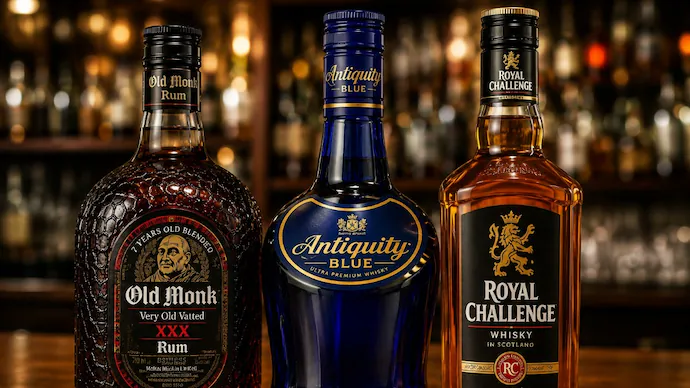
The Food Safety and Standards Authority of India (FSSAI) has announced a ban on specific variants of well-known liquor brands, citing concerns over the use of artificial flavouring that does not meet established manufacturing standards. Reportedly, these brands include Old Monk, Antiquity Blue Whisky, Royal Challenge Whisky, and Bagpiper Deluxe Whisky.

FSSAI conducted tests and found that certain products from Diageo India’s United Spirits, Inbrew Beverages, and Mohan Rocky Springwater employed external artificial or nature-identical flavours, which do not align with the requirements for natural ingredients and proper maturation processes in alcoholic beverages.

Affected Brands and Manufacturing Locations

The ban specifically targets the following brands: Antiquity Blue Whisky and Royal Challenge Whisky, which are manufactured by United Spirits in Madhya Pradesh; Bagpiper Deluxe Whisky and Old Cask Deluxe XXX Rum produced by Inbrew Beverages in Madhya Pradesh; and three variants of Old Monk made by Mohan Rocky Springwater in Maharashtra.

It remains unclear if the FSSAI’s action restricts only those products manufactured in the listed facilities or if it extends to the brand’s variants produced in other locations. As of now, FSSAI has not provided clarification on this matter despite inquiries from news agencies.

Requests for comments from Diageo India, Inbrew Beverages, and Mohan Rocky Springwater were also reportedly unanswered.

Regulatory Reasons for the Ban

According to the FSSAI, the existing Indian food safety regulations allow for the use of natural flavouring substances in the production of alcoholic beverages. However, the authority’s laboratory tests indicated that some manufacturers had allegedly been adding flavours characteristic of the alcoholic beverage itself, such as rum flavour in rum or whisky flavour in whisky.

The FSSAI expressed that there is no globally accepted manufacturing practice wherein such flavours are incorporated to enhance the beverages. The agency highlighted that these practices could enable manufacturers to circumvent the proper maturation and utilisation of natural ingredients like molasses, malt, or grapes.

Consequently, the authority concluded that the tested products were deemed sub-standard, primarily due to the presence of external artificial or nature-identical flavours, which are inconsistent with traditional production methods.

Industry Response and Market Context

The decision has raised concerns among industry stakeholders. Senior executives from affected companies, who wished to remain anonymous due to the sensitive nature of the issue, reportedly expressed their apprehension about the regulatory actions, noting that the use of such flavouring might have been interpreted as permissible under existing regulations.

India stands as one of the largest markets for alcoholic beverages globally, with the industry generating approximately $40 billion in annual revenue. Diageo India, through United Spirits, holds a leading market share within the liquor sector, competing against global entities such as Pernod Ricard.

The brands mentioned in the FSSAI’s action are predominantly locally manufactured spirits that target more affordable pricing compared to imported whiskies, Scotches, and premium rums, making them popular choices across the nation. The prohibition comes at a time when the FSSAI is intensifying its oversight of the food and beverage industry.

Long or Short, get news the way you like. No ads. No redirections. Download Newspin and Stay Alert, The CSR Journal Mobile app, for fast, crisp, clean updates!

App Store –  https://apps.apple.com/in/app/newspin/id6746449540 

Google Play Store – https://play.google.com/store/apps/details?id=com.inventifweb.newspin&pcampaignid=web_share

Latest News

Popular Videos
