



Higher Cancer Risk for Pilots and Cabin Crew Linked to Radiation: Study

The CSR Journal Magazine

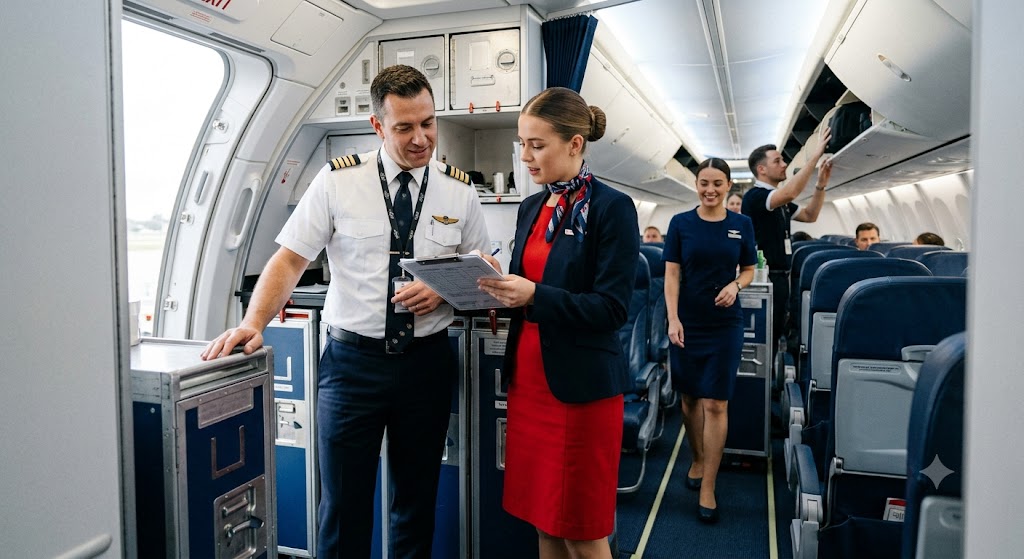
A recent study published in JAMA Internal Medicine on August 17 has drawn attention to the potential health risks faced by pilots and cabin crew. The research examined cancer mortality across more than 500 occupations and found that these aviation professionals show elevated rates of deaths linked to cancers associated with radiation exposure. Specifically, 6.9 per cent of deaths among flight attendants and 6.7 per cent among pilots were attributed to radiation-related cancers, compared to approximately 5 per cent in the general workforce.

It is crucial to interpret these findings carefully as the study establishes a correlation rather than a direct causation between occupational exposure and cancer. Various other factors unique to aviation, such as irregular hours and disrupted circadian rhythms, may also influence the health of those in the industry.

The study underscores a significant concern about the long-term health effects for those who spend extensive hours in the air, thereby increasing their exposure to cosmic radiation.

Understanding Radiation Exposure in Aviation

Cosmic radiation, which stems from the sun and outer space, encounters less atmospheric protection at cruising altitudes commonly above 30,000 feet. For pilots and cabin crew, this results in heightened exposure compared to individuals remaining on the ground. Factors affecting radiation levels include flight altitude, duration, latitude, and solar activity. Routes that are longer or operate closer to the poles may expose aircrew to higher levels of radiation.

While a single flight imposes a relatively small amount of radiation exposure, the cumulative effect over many years of flying can pose a significant health risk. Long-term exposure remains a primary concern for aviation professionals given their career trajectories.

Multiple studies have investigated the potential effects of ionising radiation on the body, as it can damage cells and DNA. Though the body can repair some of this damage, continuous exposure increases the likelihood of cellular changes, which could develop into cancer over time.

Health Risks Beyond Radiation for Aircrew

In addition to radiation exposure, pilots and cabin crew contend with other occupational health challenges. Working irregular hours, frequently crossing time zones, and maintaining demanding schedules can disrupt natural sleep cycles and circadian rhythms. Research suggests that although radiation is a risk, the broader implications of lifestyle factors could also contribute to increased cancer risks.

Specific cancers associated with radiation exposure identified in the study include leukaemia, lymphoma, and various skin cancers, along with breast and thyroid cancers. Previous research has indicated higher rates of melanoma in this group. Nonetheless, contributing factors such as lifestyle and sun exposure may also play crucial roles in the heightened risk.

The study implies that distinguishing singular causes for increased cancer mortality is complex, as multiple stressors could be influential.

Implications for Passengers and the Aviation Industry

The risks associated with radiation exposure in aviation predominantly affect crew members rather than occasional flyers. Passengers generally accumulate far less radiation during infrequent flights compared to aircrew who fly regularly. As a result, the findings should not raise undue concern among the general public regarding air travel.

Airlines and aviation regulators can utilise this research to enhance their monitoring of occupational radiation exposure. Implementing regular health assessments for staff, particularly on long-haul and high-latitude flights, could help identify those at greater risk. It may also be beneficial to develop operational strategies to mitigate unnecessary radiation exposure.

As the aviation industry expands, continued research will be essential to understand the health implications of prolonged exposure to occupational hazards faced by airline personnel, ensuring their safety and well-being in the workplace.

Long or Short, get news the way you like. No ads. No redirections. Download Newspin and Stay Alert, The CSR Journal Mobile app, for fast, crisp, clean updates!

App Store –  https://apps.apple.com/in/app/newspin/id6746449540 

Google Play Store – https://play.google.com/store/apps/details?id=com.inventifweb.newspin&pcampaignid=web_share

Latest News

Popular Videos