


5.9 Magnitude Earthquake Strikes Tokyo, Japan; Causing Injuries and Disruptions
The CSR Journal Magazine

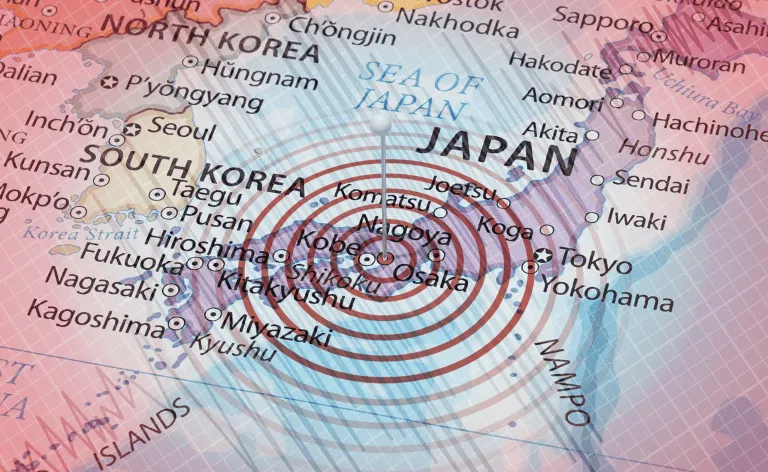
A 5.9 magnitude earthquake occurred in Japan, leading to injuries and widespread disruptions in Tokyo. Reports indicate that the quake struck on August 23, 2026, at approximately 8 am, creating a notable impact on various sectors in the metropolitan area. Emergency services responded quickly to assess damage and provide assistance to those affected.

Casualties and Injuries

The seismic event resulted in at least five reported injuries across the region. Authorities have indicated that these injuries are mostly minor, but emergency medical teams are on high alert to address any further health issues stemming from the quake. The quick response from medical personnel has been crucial in managing the situation effectively.

Officials have urged residents to remain cautious and vigilant, given the potential for aftershocks. Community health centres and hospitals are prepared to handle any further medical emergencies related to the earthquake. Local government agencies are working closely with healthcare providers to ensure that the community receives proper care.

As first responders continue to assess the overall impact of the quake, residents are being encouraged to stay informed about safety protocols and emergency procedures. The local government has set up hotlines for any individuals needing assistance or reporting damage.

Widespread Blackouts and Transportation Disruptions

The earthquake triggered power outages affecting approximately 460 homes in Tokyo. Utility companies have been deployed to restore electricity as quickly as possible. Crews are working tirelessly to address the outages, while updates are being provided to residents about restoration timelines.

In addition to power disruptions, express train services have faced significant interruptions. Rail operators announced delays and suspensions in service to ensure safety while conducting necessary inspections on tracks and infrastructure. Regular updates are being communicated to commuters, advising them on alternative travel arrangements.

Some local trains remained operational, albeit with modified schedules, as loads were managed to accommodate those needing to travel. Rail authorities continue to monitor conditions and assure the public that safety is their top priority.

Government Response and Future Precautions

Government officials are actively monitoring the impact of the earthquake and are coordinating with various agencies to manage the situation effectively. Crisis management teams have been established to assess infrastructure safety and facilitate communication between authorities and residents.

The Japanese government is known for its preparedness for seismic activities and has implemented various safety measures in urban planning. As a result of this incident, officials are likely to review and possibly enhance existing protocols to mitigate future risks. Public safety campaigns may also be intensified in the wake of the quake to educate the population on how to react in similar situations.

Moreover, scientists are closely examining the geological implications of this tremor to better understand seismic patterns in the region. Continuous monitoring of the geological activity surrounding Tokyo remains a top priority to help predict and potentially mitigate future incidents.

Long or Short, get news the way you like. No ads. No redirections. Download Newspin and Stay Alert, The CSR Journal Mobile app, for fast, crisp, clean updates!

App Store –  https://apps.apple.com/in/app/newspin/id6746449540 

Google Play Store – https://play.google.com/store/apps/details?id=com.inventifweb.newspin&pcampaignid=web_share

Latest News

Popular Videos
