


From ‘Gen Z’ to ‘Yuva’: BJP Pivots Strategy to Engage Younger Indian Voters
The CSR Journal Magazine

The BJP has decided to move away from the term Gen Z in favour of ‘yuva’ when addressing young voters as part of its political engagement strategy. This change indicates the party’s intent to adopt a more inclusive definition that encompasses various age groups and backgrounds. Sources indicate that this decision was made to resonate better with the diverse aspirations of youth across the nation.

The transition comes amid heightened efforts to connect with younger electorates following recent student protests led by the CJP concerning the NEET-UG paper leak. This incident resulted in the resignation of former Education Minister Dharmendra Pradhan in July, marking a significant moment for the party.

During a brainstorming session focused on youth outreach held in August, young BJP leaders discussed alternative terminologies. It was noted that participants refrained from using Gen Z, instead opting for broader terms like “students” and “youth”. According to sources, this reflects the understanding that young people do not represent a single, uniform demographic.

Context of the Shift in Terminology

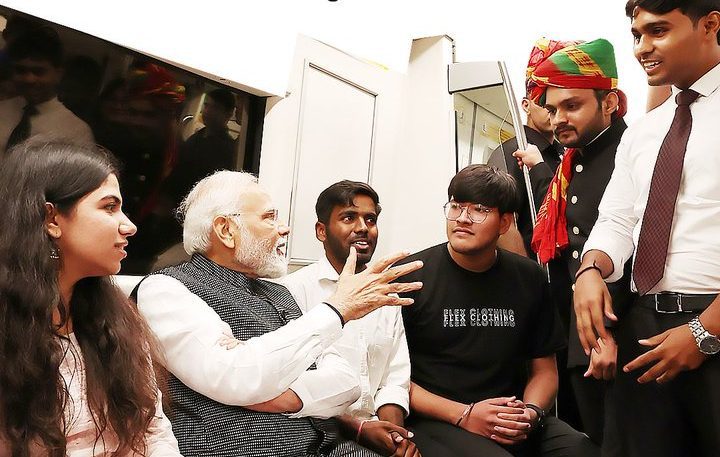
The recent branding change is particularly noteworthy as just prior, the BJP had prominently featured Gen Z in its outreach initiatives. Prime Minister Narendra Modi had adapted his communication style to include Instagram Reels and selfie-style videos aimed at younger audiences. The party’s digital campaigns also incorporated memes, pop culture references, and short-form videos tailored to this demographic.

In addition, the BJP and the RSS have worked to enhance their visibility among younger voters through the involvement of young leaders and local programmes. Following his resignation, Dharmendra Pradhan referred to Gen Z in his statements, saying, “Gen Z is our children.” He also claimed that various factions attempted to mislead them during the NEET protests, thereby highlighting the party’s commitment to engaging with this age group.

Senior BJP leaders, including PM Modi, have publicly acknowledged the importance of Gen Z in shaping India’s future, highlighting their creativity and potential as essential elements for national development.

Implications of Adopting ‘Yuva’

The government’s messaging has been heavily focused on various aspects of youth engagement such as education, technology, skills development, and employment. The adoption of the term ‘yuva’ suggests an effort to create a more comprehensive terminology that encapsulates all young Indians rather than restricting it to the narrower Gen Z descriptor.

This strategic shift is not indicative of a diminished focus on youth issues; rather, it appears to align with the BJP’s objective of fostering broader connections across generational lines. By promoting ‘yuva’, the party aims to unify young voters under a single, inclusive label that better represents their varied aspirations and backgrounds.

As the political landscape continues to evolve, this rebranding effort may play a crucial role in how the BJP engages with younger demographics, thus shaping its outreach methodologies for future electoral campaigns. Determining the effectiveness of this change will be essential as the party navigates the complexities of youth engagement in upcoming elections.

Long or Short, get news the way you like. No ads. No redirections. Download Newspin and Stay Alert, The CSR Journal Mobile app, for fast, crisp, clean updates!

App Store –  https://apps.apple.com/in/app/newspin/id6746449540 

Google Play Store – https://play.google.com/store/apps/details?id=com.inventifweb.newspin&pcampaignid=web_share

Latest News

Popular Videos
