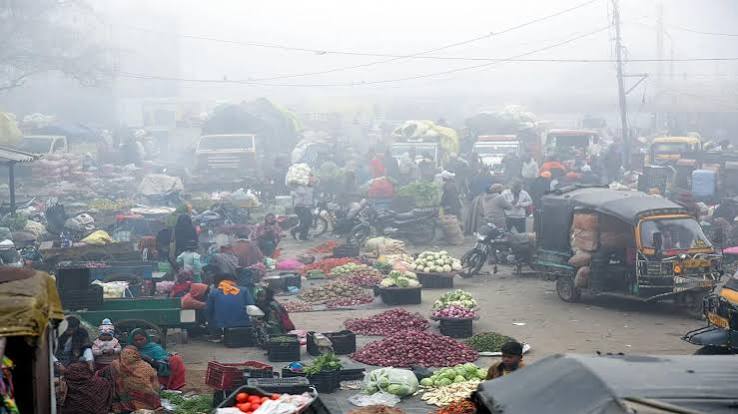
The recent surge in food inflation to 7.74% in September 2026 poses significant challenges for Indian households. This sharp increase in food prices, particularly amidst the festive shopping season, necessitates careful budgeting for families. Essential items such as vegetables and cooking ingredients have become more expensive, making it difficult for households to manage their expenses. According to data from the government, food inflation is determined through the Consumer Food Price Index (CFPI), and this current figure indicates a troubling trend for consumers during a period traditionally associated with increased spending.
Food prices directly impact essential household expenses, as families are unable to defer purchases of grocery items like vegetables or spices. The rise in the Consumer Price Index (CPI), which recorded an overall retail inflation rate of 5.54% for the same month, signifies broader economic concerns. Indian families must now balance pressing grocery needs with additional expenses incurred during the festive season, thus amplifying financial pressures.
Key Contributors to Inflation
Notably, onions have emerged as a major contributor to the current inflation rate, with price inflation skyrocketing from 48.78% in August to 108.09% in September. Ginger and garlic have also seen significant increases of 62.85% and 54.62%, respectively. Furthermore, lemons have become considerably more expensive, witnessing a rise in inflation from 15.15% to 36.41%. These essential kitchen items are integral to everyday cooking, making their price surges particularly impactful on household budgets.
These drastic increases compel families to either reduce their purchases or seek alternative options, which could ultimately affect dietary choices. Experts, including Nirav Karkera, Head of Research and Fund Manager at W by Groww, have pointed to supply chain pressures and rising transport costs as key factors behind this inflation. Karkera emphasised that the steep rise in onion prices particularly contributes to the headline inflation figures, underlining the need for attention to these supply issues.
However, not all food items are experiencing rising prices. Certain vegetables, such as potatoes, tomatoes, and lady’s finger, have seen price decreases compared to the previous year. For instance, potato prices fell by 11.50%, providing limited relief to families facing increased costs elsewhere. Despite these declines, the variability in prices means that a household could find some items cheaper while still facing inflated costs for others. The overall effect is a complex landscape of food expenses that varies significantly based on purchasing habits and local availability.
Implications for Spending During the Festive Season
The timing of these price rises is concerning, especially as households prepare for festive celebrations. Families typically increase their spending during this period on items such as sweets and gifts, but rising grocery costs may force them to reconsider their budgets. Decisions about spending on non-essential items might lead to cutbacks in areas like dining out, which can dampen overall festive enjoyment. Hosts may find that their usual meal preparations require a larger financial commitment than in previous years, complicating plans for gatherings.
This financial strain may lead households to allocate more funds towards groceries while cutting back on festive expenditures, resulting in a tighter overall budget. The challenge lies in balancing essential food costs with discretionary spending, particularly for families operating on fixed budgets. As consumers navigate these pressures, the ability to sustain both nutritional needs and celebratory activities could be significantly hindered.
Analysts note that if food prices rise steadily, the repercussions could extend to savings and investments. For instance, an increase in food expenses of 7.74% could result in an additional Rs 9,300 spent annually by families. Households already managing various financial commitments might find themselves struggling to maintain their saving patterns, particularly if food inflation persists into the coming months. This ongoing situation highlights the broader economic implications for households as they adapt to rising living costs.
Long or Short, get news the way you like. No ads. No redirections. Download Newspin and Stay Alert, The CSR Journal Mobile app, for fast, crisp, clean updates!