


Ex-Congress MP Sajjan Kumar Dies at 80 While Serving Life Term for 1984 Riots
The CSR Journal Magazine

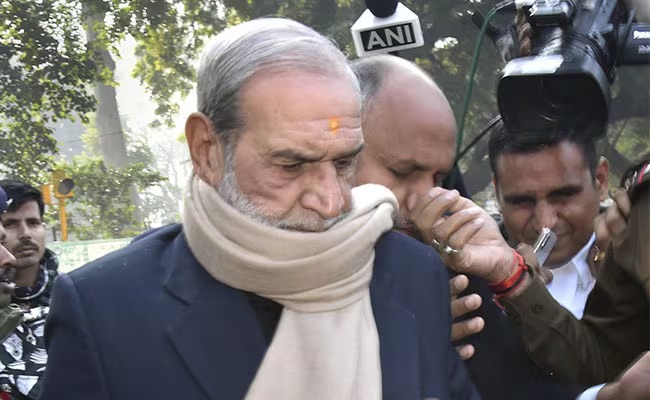
Sajjan Kumar, a former Member of Parliament and senior leader of the Indian National Congress, passed away at the age of 80 on August 20. Hospital sources reported that he was brought dead to Safdarjung Hospital in New Delhi. His death comes while he was serving a life sentence for his involvement in the 1984 anti-Sikh riots, a deeply significant and contentious chapter in Indian history.

Legal Battles and Imprisonment

Kumar was at the centre of one of the longest and most impactful legal disputes in India, particularly concerning the events that transpired after the assassination of former Prime Minister Indira Gandhi. For over thirty years, he faced a series of criminal cases related to the violence of 1984, with varying outcomes that included both acquittals and convictions from different courts.

One notable case involved the Delhi Raj Nagar area, where five family members were murdered and a gurudwara was set on fire. On December 17, 2018, the Delhi High Court overturned a previous acquittal and sentenced Kumar to life imprisonment. Following the verdict, he surrendered to the authorities and had been incarcerated since that time.

In another case, the Saraswati Vihar murders, concerning the deaths of Jaswant Singh and his son Tarundeep Singh on November 1, 1984, Kumar was initially acquitted. However, on February 25, 2025, Special Judge Kaveri Baweja sentenced him to a second life term, opting not to impose the death penalty due to Kumar’s age and health conditions.

Additionally, Kumar was acquitted of charges linked to violence in the Janakpuri and Vikaspuri areas, where he faced allegations of inciting violence against individuals such as Sohan Singh and Avtar Singh. Following this acquittal, on May 26, 2025, the Delhi High Court issued a notice regarding an appeal against his earlier acquittal in the 1984 anti-Sikh riots case.

Health Issues and Requests for Bail

During his time in prison, Kumar frequently sought bail and medical relief due to health issues. His legal representatives argued that his age and ailments should be taken into account during proceedings concerning his sentences. Despite these pleas, the judicial system upheld the convictions against him, reflecting the extensive inquiry that had taken place over the decades.

Kumar’s life witnessed significant political and social upheaval, becoming a prominent figure linked to the collective grievances resulting from the riots, which have shaped communal relations in India. His legal saga exemplifies a continuing struggle for justice and accountability within the Indian legal framework.

As one of the few former public representatives facing culpability for the widespread violence of the period, Kumar’s case reflects the complexities of political, social, and legal dynamics in India post-1984. His passing marks the conclusion of a controversial and tumultuous chapter in both his personal life and Indian history.

Long or Short, get news the way you like. No ads. No redirections. Download Newspin and Stay Alert, The CSR Journal Mobile app, for fast, crisp, clean updates!

App Store –  https://apps.apple.com/in/app/newspin/id6746449540 

Google Play Store – https://play.google.com/store/apps/details?id=com.inventifweb.newspin&pcampaignid=web_share

Latest News

Popular Videos
