


Meta Launches Muse, Its New AI Assistant for Daily Tasks
The CSR Journal Magazine

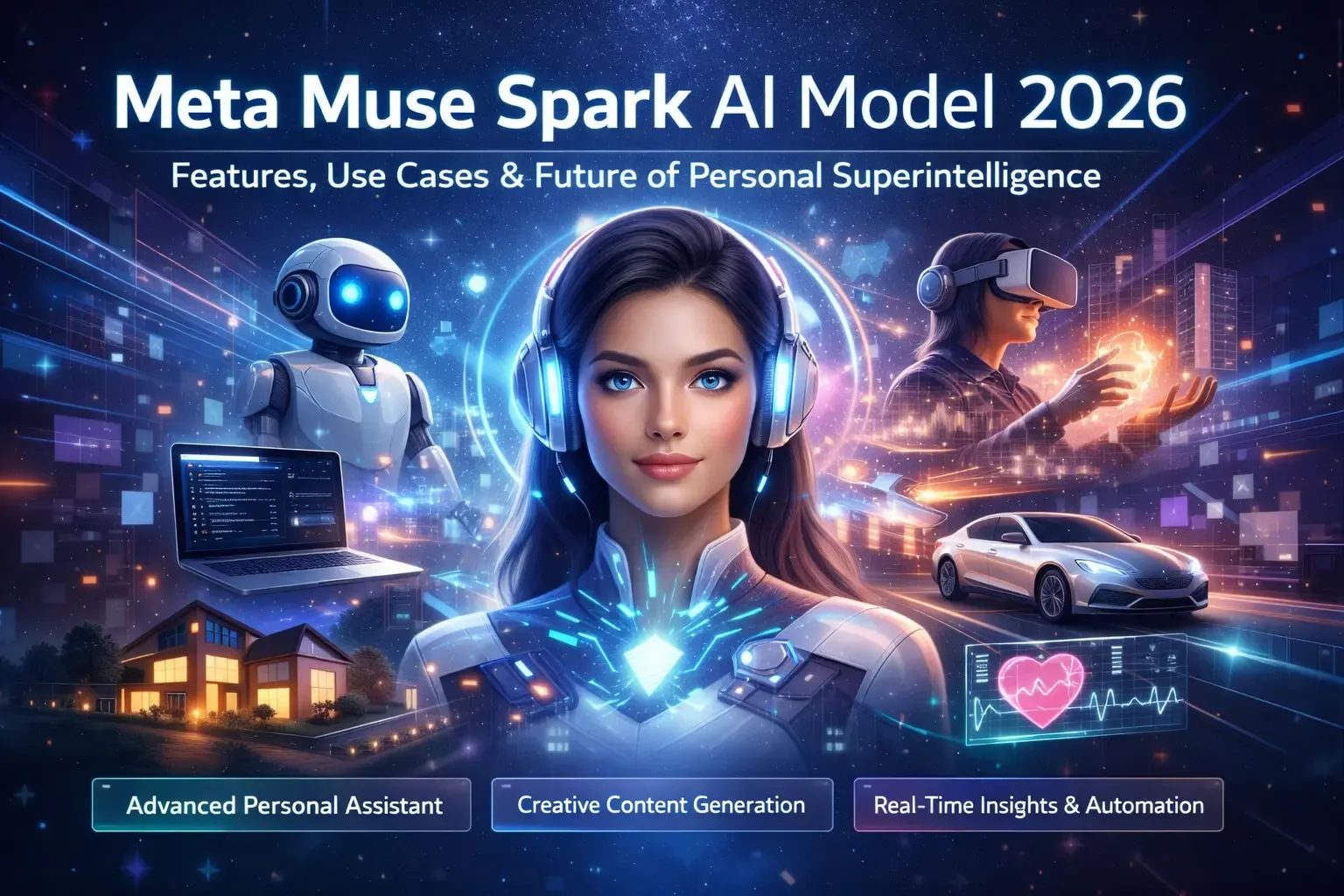
Meta has introduced a new artificial intelligence assistant known as Muse, marking a significant advancement in its efforts to create AI systems that can perform real-world tasks for users. This initiative aims to extend beyond basic interaction and integrate deeper assistance into everyday activities.

Functional Capabilities of Muse

The newly launched Muse is designed to handle a variety of tasks with minimal user input. It can manage schedules, send emails, book travel arrangements, shop online, and automate other daily responsibilities. Initially, access is limited to adults in the United States through a dedicated application and the WhatsApp platform.

Meta’s CEO Mark Zuckerberg described Muse as a personal assistant that is operational 24 hours a day, seven days a week, asserting its capabilities to understand user goals and complete tasks independently. He emphasised that the design prioritises user privacy and data security, with user credentials stored in a secure virtual machine environment.

Unlike traditional chatbots, which often require constant prompts, Muse operates in the background, allowing it to process instructions continuously. This feature enables it to interact seamlessly with various platforms, including email services, digital calendars, payment systems, and smart home technologies.

User Control and Privacy Measures

Meta has prioritised user control over the accessibility of applications by Muse. Users can choose which services Muse may access and can alter these permissions whenever necessary. An additional option allows users to prevent their conversations from contributing to AI model training, reinforcing a commitment to privacy.

Furthermore, Meta plans to launch an encrypted version of the service later in the year to enhance security measures. To mitigate safety concerns associated with providing an AI assistant access to sensitive personal data, Meta has established oversight systems that evaluate certain actions prior to execution and may require explicit user consent for sensitive operations.

The introduction of Muse is a strategic move for Meta, which seeks to diversify its revenue channels beyond traditional advertising. By investing significantly—reportedly over $130 billion this year—into AI development and infrastructure, the company aims to solidify its position in the evolving technology landscape.

Future Developments and Implications

Meta is offering both a free version of Muse and paid subscription tiers catering to users with higher demands for functionality. Additionally, plans are underway to integrate Muse within Meta’s smart glasses platform in the future. This initiative highlights the company’s vision of enhancing user interaction with technology through innovative digital assistants.

The launch reflects a broader ambition to transition from basic AI chatbots to advanced digital assistants capable of actionable tasks, potentially changing the way individuals engage with technology in their daily routines. As the competitive landscape for AI development intensifies, Muse represents a crucial step for Meta in its pursuit of developing more sophisticated and practical applications of artificial intelligence.

In conclusion, Meta’s launch of Muse signifies not only a new chapter in its AI initiatives but also a significant leap towards creating an environment where artificial intelligence can seamlessly integrate into everyday life, addressing the multifaceted needs of users while maintaining a strong focus on data security and privacy.

Long or Short, get news the way you like. No ads. No redirections. Download Newspin and Stay Alert, The CSR Journal Mobile app, for fast, crisp, clean updates!

App Store –  https://apps.apple.com/in/app/newspin/id6746449540 

Google Play Store – https://play.google.com/store/apps/details?id=com.inventifweb.newspin&pcampaignid=web_share

Latest News

Popular Videos
