


Singapore’s Prime Minister Approaches Unprecedented Pay Scale
The CSR Journal Magazine

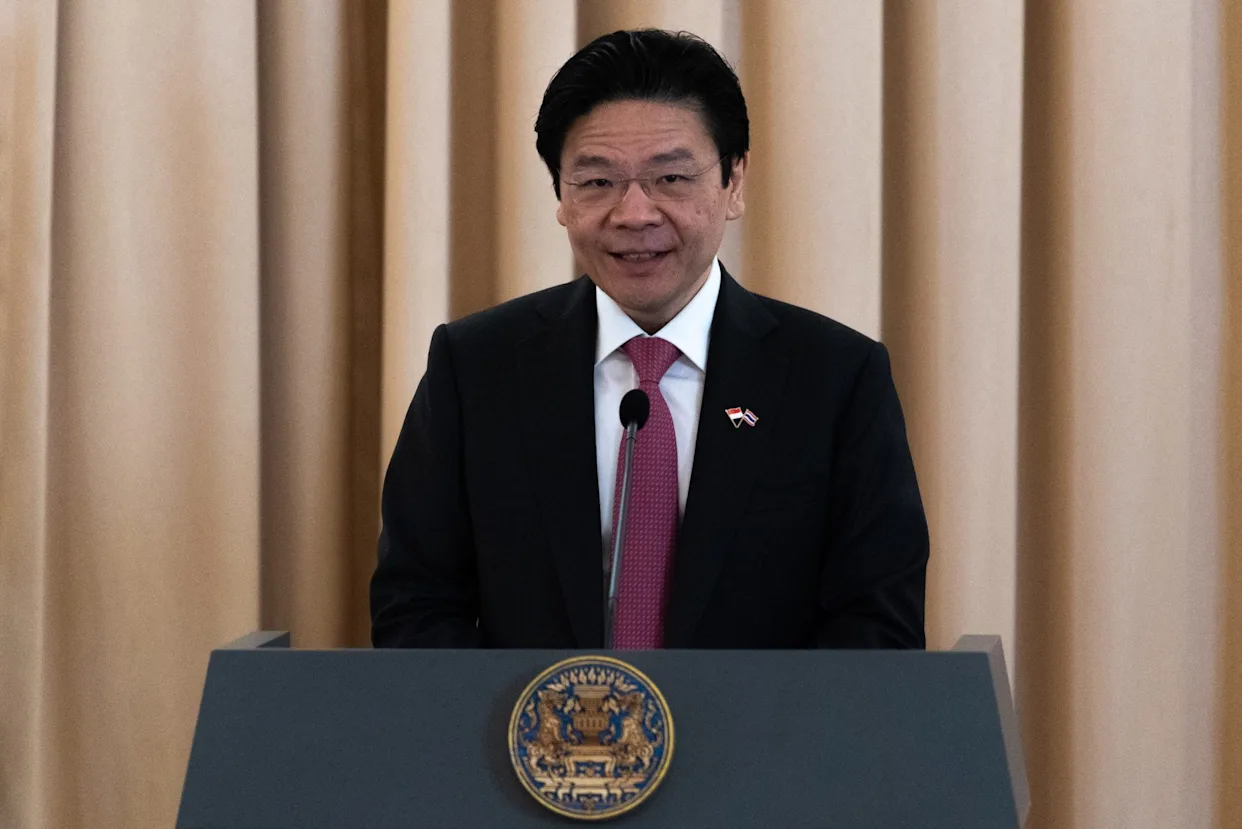
Singapore’s Prime Minister Lawrence Wong is positioned to receive a substantial salary increase of 64 per cent, raising his annual pay to SGD 3.6 million, equivalent to approximately Rs 27 crore. This change is part of a new remuneration framework that will come into effect on October 15, 2026. The revised salary includes various components such as bonuses and additional incentives, marking a significant financial enhancement.

Comparative Analysis of Prime Minister Salaries Worldwide

When examining the salaries of prime ministers globally, stark variations emerge. In Canada, for instance, the Prime Minister earns CAD 217,700 on top of a similar parliamentary sessional allowance, resulting in a yearly total of CAD 435,400 before considering additional benefits. The House of Commons indicates that these salary rates will be effective from April 1, 2026.

In India, the remuneration of the Prime Minister is governed by the Salaries and Allowances of Ministers Act, 1952. According to this law, the Indian Prime Minister receives approximately Rs 1.66 lakh each month, a figure reflective of statutory allowances and benefits established by the act.

Other countries also display notable compensation structures. In Switzerland, the president earns an annual salary of around US$606,000, while Hong Kong’s chief executive enjoys a higher pay of about US$719,000 per year. Both positions rank among the better remunerated political roles globally.

Variations in Salary Structures Across Nations

The New Zealand Prime Minister is set to receive NZD 520,500 per year, effective from July 1, 2026, until the next general election. Similar disparity can be observed in the United States, where the President earns USD 400,000 annually, with supplementary official allowances contributing to the total compensation package.

Moreover, the Norwegian Prime Minister’s annual remuneration is NOK 2,234,978, as reported by the Norwegian government in June 2026. In the UK, the Prime Minister’s salary stands at approximately US$230,000, making it one of the upper-tier salaries among significant political leaders.

In Ireland, the Prime Minister receives a published ministerial salary of EUR 132,820, but this figure does not account for additional parliamentary pay, complicating direct comparisons with total remuneration in other nations. In Australia, the Prime Minister’s overall pay comprises the parliamentary salary of AUD 579,000, along with an extra component based on his executive role.

Considerations on Political Compensation

The high salaries of political leaders, especially in places like Singapore, are often justified as necessary for attracting and retaining talented individuals in government roles. Singapore’s comprehensive remuneration package includes several elements, such as a 13th-month bonus, an Annual Variable Component, and a National Bonus.

It is essential to note that the comparison of salaries across countries may not be entirely uniform. What is designated as a salary in one country could merely represent a basic figure, while another nation’s reported amount may include assorted bonuses or parliamentary remunerations. Thus, although these figures provide an insightful overview of how political leadership is financially recognised around the world, they cannot be directly compared without proper context.

The perceived disparities in political compensation underscore the varied value attributed to leadership roles in different countries, revealing a complex landscape of remuneration that is influenced by each nation’s specific norms and frameworks.

Long or Short, get news the way you like. No ads. No redirections. Download Newspin and Stay Alert, The CSR Journal Mobile app, for fast, crisp, clean updates!

App Store –  https://apps.apple.com/in/app/newspin/id6746449540 

Google Play Store – https://play.google.com/store/apps/details?id=com.inventifweb.newspin&pcampaignid=web_share

Latest News

Popular Videos
