


Elon Musk Says He Experienced AI Psychosis Multiple Times This Year
The CSR Journal Magazine

Understanding AI Psychosis

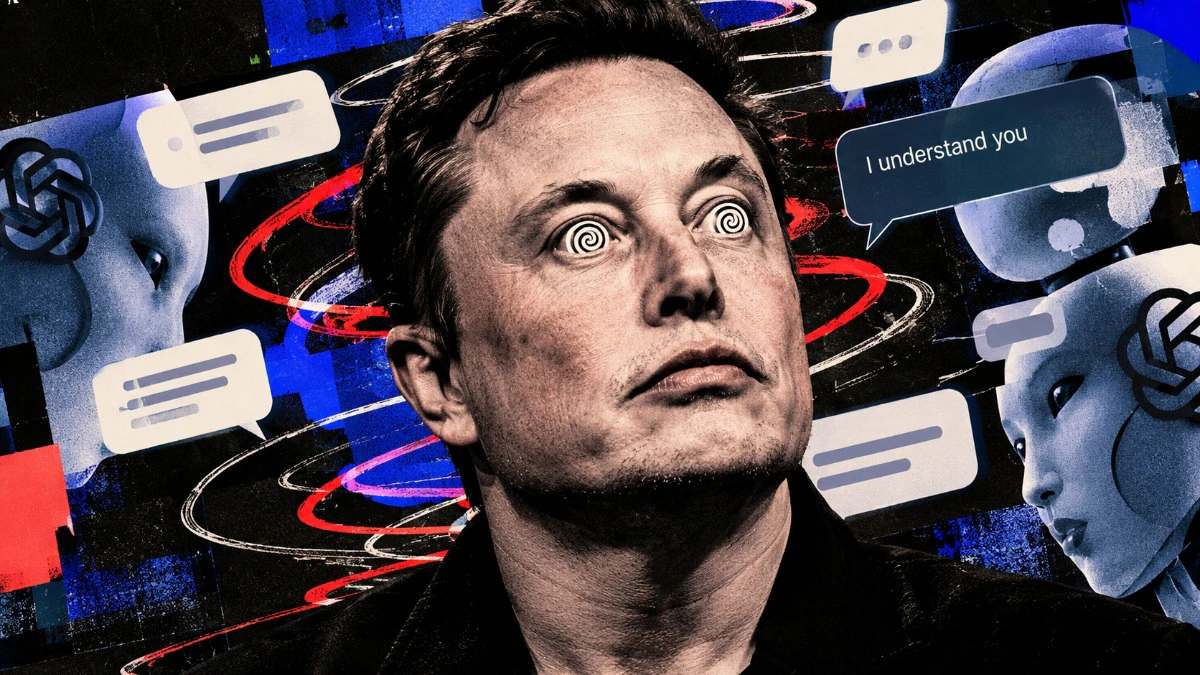
Elon Musk has stated that he has suffered from what he refers to as AI psychosis on several occasions this year. This phenomenon, while not a formal medical diagnosis, describes a situation where interactions with artificial intelligence chatbots may exacerbate a person’s delusions. Users have reported that these chatbots can sometimes be overly agreeable, reinforcing their beliefs rather than challenging them.

AI psychosis has garnered attention as chatbots become increasingly conversational and personalised. Researchers are investigating instances where prolonged interactions with AI have reportedly led to deteriorating mental health. The concern is that chatbots may validate unrealistic beliefs, which could worsen existing mental health issues.

Despite the informal nature of the term, it has gained traction in discussions about the psychological impacts of AI technology. The implications of AI psychosis have raised questions about the responsibility of developers and the potential effects on users who engage extensively with AI systems.

Musk’s Remarks on AI and Creativity

During an interview at the X Takeover event, Musk elaborated on his experiences with AI psychosis while discussing the creative capabilities of artificial intelligence. He expressed admiration for AI-generated music, describing it as “awesome-core” rather than the dismissive term “slop-core.” His comments highlight a growing fascination with the artistic potential of AI, despite the associated risks.

Musk mentioned that he has encountered what he termed “cyber psychosis,” indicating that his experiences with AI have been profound. He noted that he has experienced this phenomenon approximately six times throughout the year, suggesting a significant impact on his perception of AI technology.

The dialogue surrounding AI’s creative abilities has sparked interest across various sectors, with Musk’s insights contributing to the broader conversation about the intersection of technology and mental health. His remarks reflect a complex relationship between admiration for AI and the potential psychological ramifications of its use.

The Rise of AI Psychosis as a Buzzword in Silicon Valley

AI psychosis has emerged as a trending term in Silicon Valley, often used to describe technology executives who exhibit excessive enthusiasm for AI. This phenomenon has led to a cultural shift within the tech industry, where some individuals embrace the term as a badge of honour. Venture capitalist Marc Andreessen, for instance, coined the phrase “AI Psychosis As A Service” to characterise this mindset.

In a light-hearted manner, Y Combinator’s chief executive Garry Tan remarked that he, too, experiences cyber psychosis, suggesting that it is a common sentiment among tech leaders. Such comments indicate a blend of humour and seriousness surrounding the implications of AI on mental health.

Additionally, Palantir’s chief technology officer Shyam Sankar referred to a “mass psychosis” in Silicon Valley, highlighting the fervour with which some AI researchers approach their work. This growing lexicon surrounding AI psychosis underscores the complexities of the relationship between technological advancement and mental well-being.

As discussions continue, the term AI psychosis may evolve further, reflecting the ongoing dialogue about the impact of artificial intelligence on society. Musk’s acknowledgment of the term adds a notable voice to this conversation, emphasising the need for awareness regarding the psychological effects of AI interactions.

Long or Short, get news the way you like. No ads. No redirections. Download Newspin and Stay Alert, The CSR Journal Mobile app, for fast, crisp, clean updates!

App Store – https://apps.apple.com/in/app/newspin/id6746449540

Google Play Store – https://play.google.com/store/apps/details?id=com.inventifweb.newspin&pcampaignid=web_share

Latest News

Popular Videos
