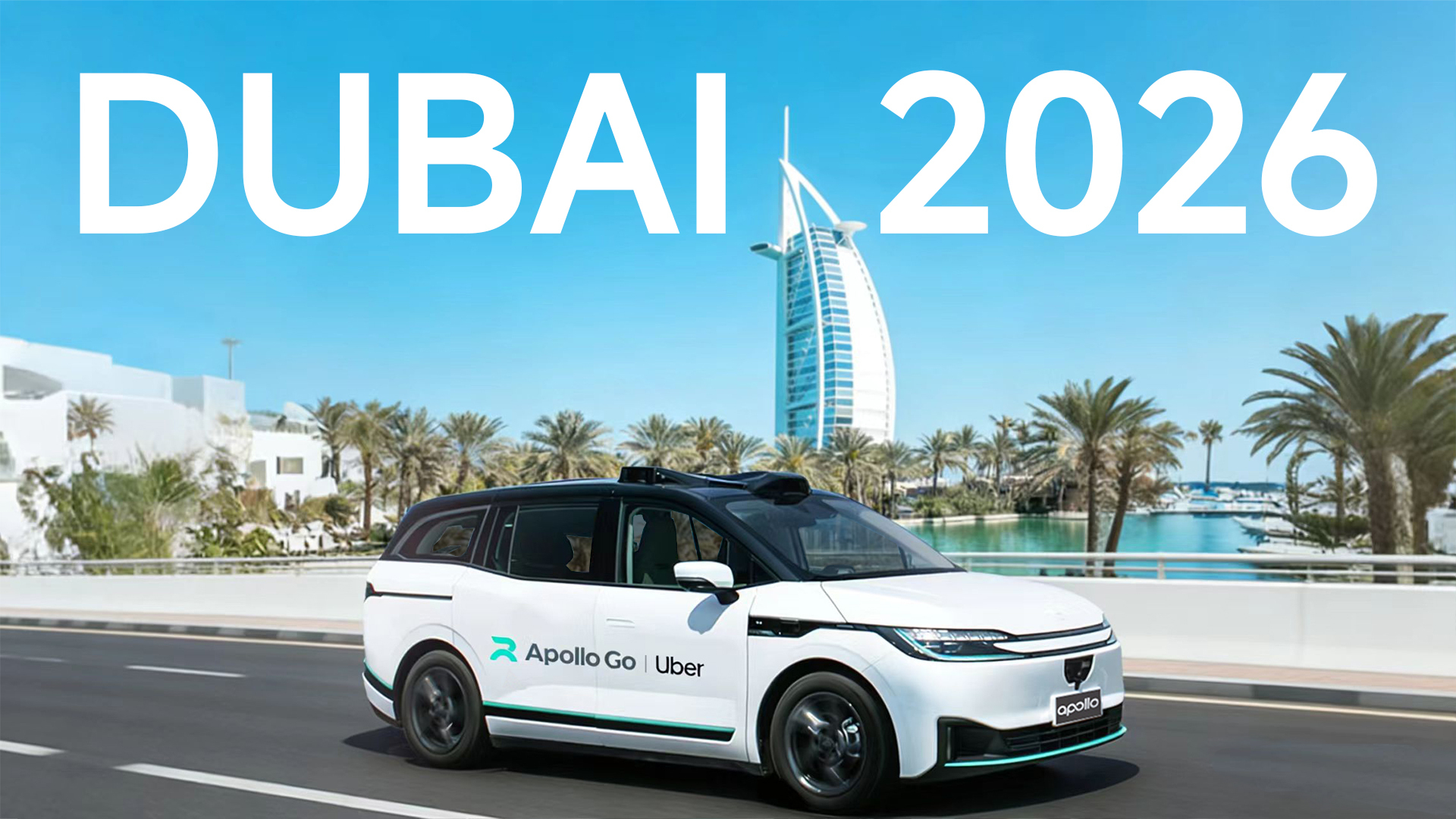
Dubai is set to revolutionise urban transportation with the introduction of a fully autonomous ride-hailing service, following a significant collaboration between Baidu’s Apollo Go platform and Uber Technologies. This initiative is supported by the Roads and Transport Authority (RTA) and will commence operations in the Jumeirah area, positioning Dubai among the first cities globally to provide mainstream robotaxi services through a popular app.
How the Service Works
The integration allows users to request autonomous vehicles via the Uber app, akin to traditional ride-booking methods. Passengers will select an “Autonomous” option or utilise UberX or Uber Comfort features to be matched with an Apollo Go vehicle. This represents a significant step in the evolution of ride-hailing, heralding a future where autonomous vehicles operate without human drivers.
From Trials to Public Road Operations
Baidu’s Apollo Go has already commenced groundwork ahead of this launch. In late 2025, it was awarded the first permit for fully driverless operations by Dubai’s RTA, allowing the company to conduct trials on public roads. This milestone marked the inception of autonomous vehicle permits in Dubai, establishing a framework for unmanned operations.
Commitment to Smart Transportation
Dubai recently inaugurated its first dedicated autonomous vehicle operations center, outside China, to aid in testing and fleet management. The city aims to expand the service, envisioning an eventual fleet of over 1,000 autonomous vehicles as part of a comprehensive strategy to modernise its transportation network.
Long-Term Mobility Objectives
The rollout of the new service aligns with Dubai’s goal of making 25% of all trips autonomous by 2030, a target integral to its long-term transport vision. Baidu’s Apollo Go platform, now operational in 22 cities worldwide, brings extensive experience, having completed millions of autonomous rides, demonstrating readiness for larger-scale public implementation.
Support from Regulatory Authorities
The Roads and Transport Authority has played a crucial role in facilitating this technological advancement by granting necessary permits and fostering a regulatory environment conducive to innovation. This deployment serves as a prime example of how urban centers can incorporate artificial intelligence and smart infrastructure in daily mobility solutions.
Initial Service Areas and Future Expansion
Initially, autonomous vehicles will operate in designated zones like Jumeirah, with plans to broaden coverage as operational data and safety protocols evolve. The aim is to create a seamless experience where autonomous vehicles can navigate wider urban areas easily.
Passenger Experience and Environmental Benefits
Riders will enjoy driverless pickups and drop-offs arranged through the existing Uber app framework. This innovation is expected to not only provide passengers with the convenience they have come to expect from traditional Uber services but also contribute to reduced traffic congestion and lower emissions as these autonomous rides integrate into Dubai’s smart transport ecosystem.
Future Challenges in Autonomous Mobility
While the project signifies a breakthrough in urban transportation, challenges remain. Key issues include operational safety in complex urban scenarios, the need for regulatory compliance, and fostering public trust in autonomous technologies. Public education will be essential in building confidence in this new mode of transport.
A Milestone for Urban Transportation
The introduction of Apollo Go’s autonomous ride-hailing service in Dubai marks a pivotal moment in the city’s transportation landscape. By leveraging advanced technology and strategic government support, Dubai is poised to redefine urban mobility and advance its smart city initiatives. As this service transitions into public use, it reflects the city’s ambition to lead in the realm of innovative mobility solutions.