


US Inflation Rate Rises to 3.7% in September Ahead of Midterm Elections
The CSR Journal Magazine

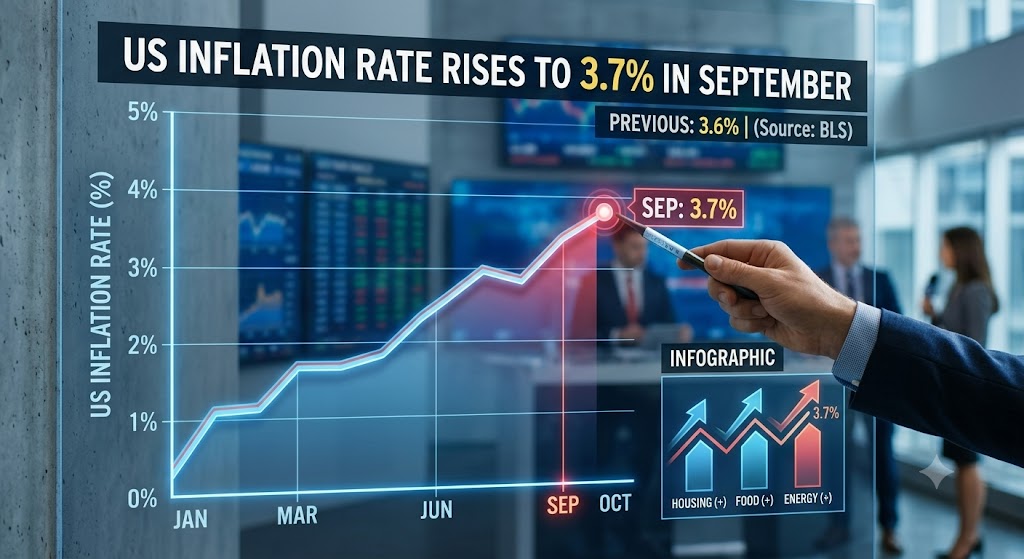
US inflation has risen more than expected, reaching 3.7% for the year ending September 2026, according to official statistics released prior to the upcoming midterm elections. This marks an increase from the 3.4% recorded for the previous month, August. The rise in inflation has been attributed primarily to soaring gasoline prices, which have surged due to disruptions in Middle Eastern energy supplies linked to the ongoing US-Israel conflict with Iran.

The inflation data comes at a critical time, as candidates in the midterm elections are focusing on the cost of living challenges faced by many Americans. The heightened prices are likely to influence voter sentiment and decisions as they head to the polls next month.

Inflation is defined as the rate at which the prices of goods and services increase over time. For instance, if the price of a loaf of bread rises from $1 to $1.10 over a year, the annual inflation rate for that item would be 10%. The Bureau of Labor Statistics (BLS) measures inflation using the Consumer Price Index (CPI), which tracks price changes across a diverse range of goods and services essential for daily living.

Factors Driving the Current Inflation Surge

The recent increase in inflation can be attributed to multiple factors, including supply chain constraints and rising demand. When demand for a product exceeds its supply, producers often raise prices. A pertinent example is the recent surge in gasoline prices, which have reportedly increased by 34.2% over the past year. In September alone, fuel prices jumped by 9.1%, contributing significantly to the overall inflation rate.

Energy inflation has also seen a notable rise, with a year-on-year increase of 20.4%. Prices for fuel oil, which is commonly used for home heating, have soared by 74.2%. Experts are monitoring the situation closely, particularly to see if these energy costs will begin to influence other sectors, such as food prices, which have remained relatively stable for now.

Core inflation, which excludes food and energy prices, stands at 2.6%. This figure indicates that while energy costs are driving overall inflation, other essential goods and services have not experienced the same level of price increases.

Impact of Tariffs on Inflation

The introduction of tariffs by President Donald Trump has also played a role in shaping inflation trends. Since taking office for a second term, Trump has imposed tariffs on a wide range of imports. Although some initial tariffs were reduced following trade agreements, a new 10% global tariff was announced to replace those that were struck down by the Supreme Court in February.

Research from the Federal Reserve Bank of New York indicates that these tariffs have contributed to rising prices for consumer goods. Higher import taxes generally lead to increased costs for US companies unless foreign suppliers reduce their prices. The New York Fed found that US businesses absorbed nearly 90% of the tariff costs, resulting in an estimated 0.25% price increase for consumer goods for every percentage point rise in average tariffs.

While inflation currently exceeds the Federal Reserve’s target of 2%, it has been significantly higher in previous years, particularly during the COVID-19 pandemic and following geopolitical events such as the Russian invasion of Ukraine. The Federal Reserve aims to maintain a stable inflation rate to support economic growth and consumer purchasing power.

Long or Short, get news the way you like. No ads. No redirections. Download Newspin and Stay Alert, The CSR Journal Mobile app, for fast, crisp, clean updates!

App Store – https://apps.apple.com/in/app/newspin/id6746449540

Google Play Store – https://play.google.com/store/apps/details?id=com.inventifweb.newspin&pcampaignid=web_share

Latest News

Popular Videos
