


Delhi Enforces GRAP-II Rules As Air Quality Plummets to ‘Very Poor’ Category
The CSR Journal Magazine

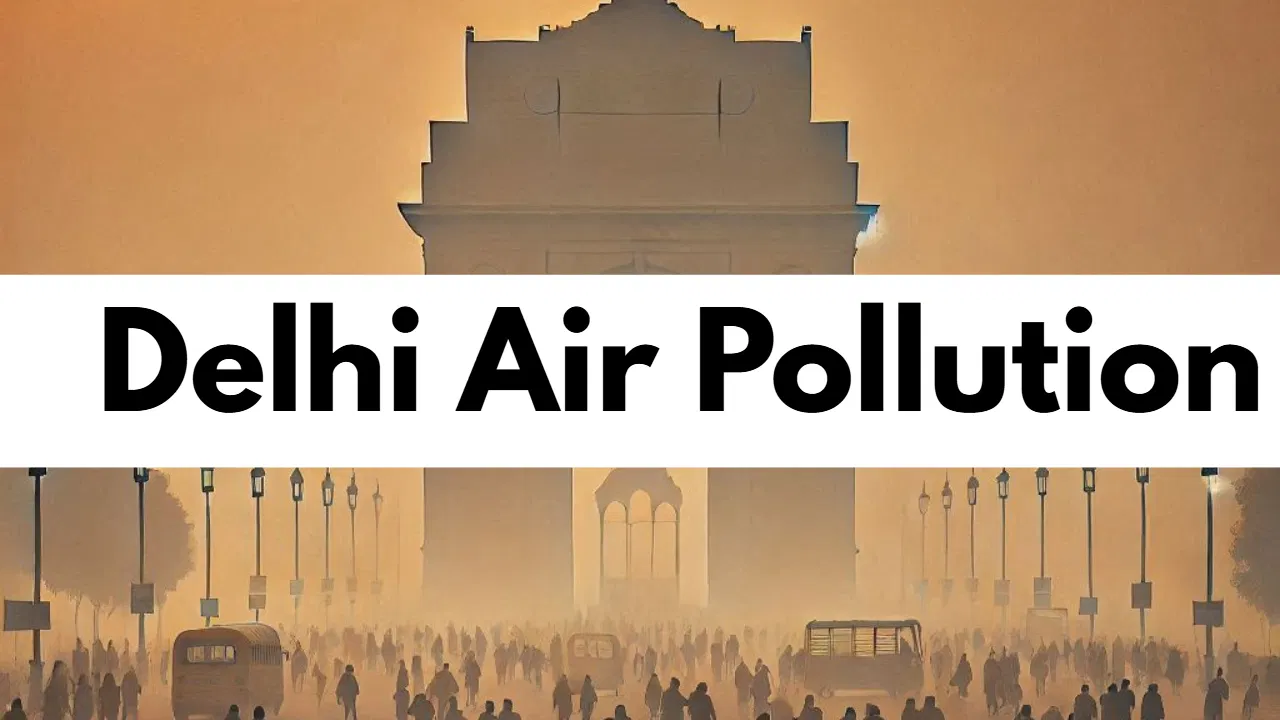
Delhi Environment Minister Gopal Rai has declared the enforcement of GRAP-II (Graded Response Action Plan) rules across North India following a significant decline in air quality. The Air Quality Index (AQI) has reportedly surpassed the 300 mark, categorising it as ‘Very Poor’. The minister highlighted that five new initiatives have been introduced under GRAP-II to combat this issue.

Among the measures, the regulation of diesel generators has been emphasised, alongside an increase in the frequency of metro and bus services. Additionally, parking fees are set to rise to discourage the use of personal vehicles for commuting. The overarching goal of these initiatives is to mitigate dust and vehicular pollution in the region.

A meeting with senior officials has been convened to enhance the implementation of GRAP-II across the Delhi National Capital Region (NCR). This meeting aims to address the ongoing air quality challenges and ensure that the new measures are effectively put into practice.

Air Quality Index Declines Significantly

The Commission for Air Quality Management (CAQM) has mandated the implementation of GRAP-II in Delhi-NCR after the overall AQI dropped into the ‘Very Poor’ category. On October 22, 2024, Delhi recorded a daily average AQI of 310, as reported by the Central Pollution Control Board (CPCB). This alarming figure has prompted immediate action to prevent further deterioration of air quality.

According to forecasts from the India Meteorological Department and Indian Institute of Tropical Meteorology, the AQI in Delhi is expected to remain in the ‘Very Poor’ category due to unfavourable meteorological conditions. The Sub-Committee responsible for operationalising GRAP has convened to assess the current air quality situation and determine necessary actions.

The CAQM has outlined that all measures under Stage II of GRAP for ‘Very Poor’ air quality will be implemented by relevant agencies in the NCR from 8:00 AM on October 22, 2024. This includes an 11-point action plan that complements existing Stage-I actions already in effect.

11-Point Action Plan to Combat Air Pollution

The newly implemented action plan calls for daily mechanical vacuum sweeping and water sprinkling on designated roads to control dust levels. It mandates the use of dust suppressants at least every alternate day during non-peak hours, particularly on roads identified as hotspots or heavy traffic corridors.

Proper disposal of the dust collected is also required, with designated sites or landfills specified for this purpose. The plan aims to intensify inspections to enforce strict adherence to dust control measures at construction and demolition sites.

Furthermore, the CAQM has urged for an uninterrupted power supply to discourage the reliance on alternative power-generating sets. The regulated operations schedule for diesel generators across all sectors, including industrial, commercial, residential, and office spaces, will be strictly enforced.

In addition to institutional measures, the CAQM has encouraged citizens to contribute to improving air quality. Residents are advised to utilise public transport, minimise the use of personal vehicles, and regularly replace air filters in their automobiles. The public is also encouraged to avoid construction activities that generate dust from October to January and refrain from open burning of solid waste and biomass.

These collective efforts aim to effectively implement the GRAP measures and enhance air quality in the Delhi-NCR region, ensuring a healthier environment for its residents.

Long or Short, get news the way you like. No ads. No redirections. Download Newspin and Stay Alert, The CSR Journal Mobile app, for fast, crisp, clean updates!

App Store – https://apps.apple.com/in/app/newspin/id6746449540

Google Play Store – https://play.google.com/store/apps/details?id=com.inventifweb.newspin&pcampaignid=web_share

Latest News

Popular Videos
