


Delhi Introduces 300 Electric Buses, Launches Nanaksar–Ghaziabad Route to Enhance Eco-Friendly Transport

The CSR Journal Magazine

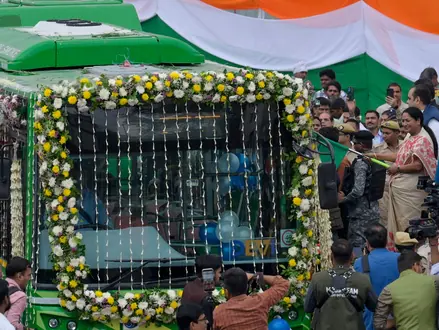
In a significant move towards sustainable public transport, Delhi Chief Minister Rekha Gupta inaugurated 300 new electric buses on Friday. This event took place at the Indraprastha bus depot, where Gupta also unveiled a new interstate e-bus service linking Nanaksar in Old Rajinder Nagar with Ghaziabad, facilitating easier travel for daily commuters. The initiative aims to modernize the city’s public transport system, aligning with environmental considerations amid rising pollution and traffic congestion. The introduction of these buses seeks to decrease carbon emissions while enhancing connectivity and ensuring a safer commuting experience.

New Nanaksar–Ghaziabad e-bus service launched

A prominent feature of this initiative is the newly established e-bus route between Nanaksar and Ghaziabad, covering an approximate distance of 21 kilometers. Key areas along this route include Bhajanpura, Loni Road, the Uttar Pradesh border, Pasonda, Hindon Airport, and Mohan Nagar. The service will initially operate on a pilot basis, with three electric buses making 12 trips daily. Operating hours will be from 7:15 AM to 10:10 PM, with fare prices set at Rs 53 to maintain affordability for commuters.

Addressing attendees at the launch, Chief Minister Rekha Gupta articulated that these developments are part of a comprehensive plan to create a public transport infrastructure that is clean, safe, affordable, and prepared for the future. Gupta underscored the importance of promoting green mobility, which would not only combat pollution but also enhance the overall commuting experience in the metropolis. This undertaking aligns with Delhi’s broader objective of promoting electric vehicles and decreasing reliance on fossil fuels.

EV subsidies rolled out, portal relaunched

During the event, the Delhi government also reintroduced its electric vehicle incentive portal, facilitating the disbursement of over Rs 24 crore in subsidies to 12,877 beneficiaries through a direct benefit transfer system. Officials noted that previous delays in subsidy distribution have been rectified following improvements to the system. The portal has now been integrated with the public financial management framework to enhance the speed and transparency of payment processes. Pending subsidy applications will be addressed incrementally, and new applications for electric vehicle incentives have been reopened.

New DTC office and infrastructure upgrades planned

Additionally, the foundation stone for a new multi-storey office building for the Delhi Transport Corporation (DTC) was laid at the Indraprastha depot. This facility will occupy roughly 1,800 square meters and will house administrative and staff workspaces, designed with energy-efficient systems. Officials have indicated that temporary arrangements will be made to ensure uninterrupted operations during the construction phase. The government is also focused on enhancing infrastructure through depot modernization and redeveloping interstate bus terminals, alongside improving the pollution control certification system.

The introduction of these 300 electric buses and the new Nanaksar–Ghaziabad e-bus service represents a notable advancement in Delhi’s efforts to implement cleaner and more efficient public transport solutions. With a commitment to sustainability and commuter convenience, the government aims to reshape the travel experience in the capital.

Long or Short, get news the way you like. No ads. No redirections. Download Newspin and Stay Alert, The CSR Journal Mobile app, for fast, crisp, clean updates!

App Store –  https://apps.apple.com/in/app/newspin/id6746449540 

Google Play Store – https://play.google.com/store/apps/details?id=com.inventifweb.newspin&pcampaignid=web_share

Latest News

Popular Videos