


CJP Protest October 2: Why Is Abhijeet Dipke Demanding CEC Gyanesh Kumar’s Resignation?
The CSR Journal Magazine

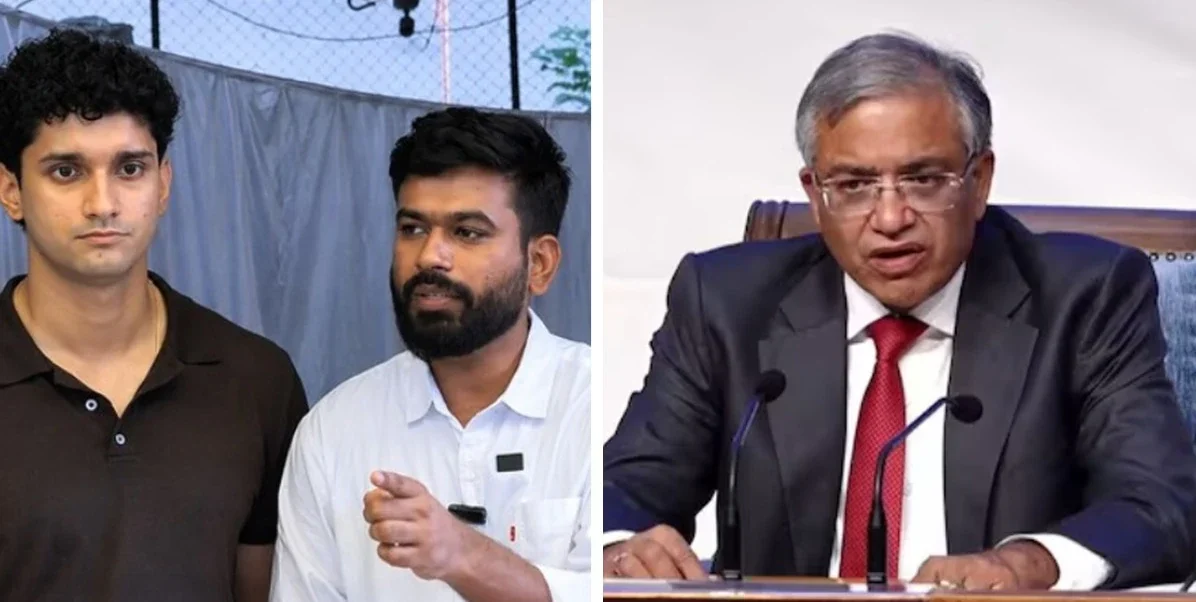
The Cockroach Janta Party (CJP) has announced that it will launch nationwide protests from October 2 if Chief Election Commissioner (CEC) Gyanesh Kumar does not resign by Saturday, September 26. CJP founder and national convenor Abhijeet Dipke said the protest will begin in Mumbai on Gandhi Jayanti and subsequently spread to cities across the country.

CJP Sets October 2 For Nationwide Protest

The announcement came a day after the CJP gave Gyanesh Kumar a 48-hour ultimatum to step down. On Friday, Dipke said the organisation would begin its nationwide agitation from Mumbai on October 2 if the CEC did not resign by the deadline.

“If Gyanesh Kumar does not resign by tomorrow, CJP will begin its nationwide protest from Mumbai on 2 October, and take it to cities across India,” Dipke said in a post on X. He also called on people to use Gandhi Jayanti to “pledge to save democracy.” The proposed protest follows the CJP’s campaign against the Election Commission’s handling of the Special Intensive Revision (SIR) of electoral rolls.

Who Is Leading The CJP Protest?

The campaign is being led by CJP founder and national convenor Abhijeet Dipke, along with co-convenors Saurav Das and Ashutosh Ranka. The three addressed a press conference in New Delhi on Thursday, September 24, where the organisation demanded Gyanesh Kumar’s resignation and announced a nationwide “Election Commission Thik Karo” campaign.

The CJP has also threatened a fresh protest at Jantar Mantar in New Delhi, referring to it as “Jantar Mantar 2.0”, if its demands are not met. The organisation had previously staged a prolonged protest at Jantar Mantar over the NEET-UG 2026 paper-leak issue and other alleged irregularities in the education system.

Why Is CJP Demanding Gyanesh Kumar’s Resignation?

The CJP’s demand comes amid controversy surrounding the Election Commission’s ongoing Special Intensive Revision (SIR) of electoral rolls and reports of objections raised by two Election Commissioners.

Reports suggest Election Commissioners Sukhbir Singh Sandhu and Vivek Joshi had recorded objections at least 14 times over a period of 10 months to decisions and orders issued in the name of the poll panel. The reported concerns included changes to Form 6, centralisation of electoral-roll controls, voter-deletion appeals in West Bengal and issues concerning the addition of eligible voters in Goa.

The CJP has used these reported objections to question the functioning of the three-member poll panel and has called for an independent investigation into decisions taken during the SIR exercise. However, the Election Commission has disputed the suggestion that there was a split over final decisions.

Election Commission Says SIR Decisions Were Unanimous

Following the reports of internal objections, the Election Commission said that individual concerns raised during deliberations did not amount to disagreement with the Commission’s final decisions. EC officials said all decisions, including those relating to the SIR, were taken unanimously with the approval of CEC Gyanesh Kumar and Election Commissioners Sukhbir Singh Sandhu and Vivek Joshi.

The poll panel also said differences during internal deliberations are part of the functioning of a multi-member constitutional body. The reported objections and the Election Commission’s response have since become a central part of the political and public debate surrounding the SIR exercise.

CJP’s Three Main Demands

The CJP has outlined several demands as part of its campaign against the Election Commission. Its first demand is that Gyanesh Kumar resign as Chief Election Commissioner and that criminal proceedings be initiated over decisions the organisation alleges affected voters’ rights.

The second demand is an immediate freeze on the SIR and upcoming elections, along with restoration of the January 2025 electoral roll. The organisation has also called for an independent inquiry into decisions taken during the SIR exercise.

The third demand is the repeal of the 2023 law governing the appointment of Election Commissioners and the enactment of a new framework involving civil society, according to the organisation’s statement of demands. The CJP has additionally called for the SIR-related files to be placed before a Supreme Court-led committee for scrutiny.

CJP Raises Concerns Over Voter Roll Revision

A major focus of the CJP’s campaign is the SIR exercise, which has involved revision of electoral rolls across multiple states and Union Territories. The organisation has alleged that more than 13 crore names were removed from draft electoral rolls during the wider SIR exercise and has questioned the basis and review mechanisms for such exclusions.

The figure refers to names excluded from draft rolls and does not by itself establish that all the affected voters were wrongly removed. The Election Commission has maintained that the revision is part of the electoral-roll verification process.

In West Bengal, for instance, the Election Commission has told the Supreme Court that 27.16 lakh voters were removed and more than 22 lakh appeals for reinstatement had been filed, highlighting the ongoing process for challenging exclusions.

Who Is Gyanesh Kumar?

Gyanesh Kumar is the 26th Chief Election Commissioner of India. He assumed charge on February 19, 2025, after serving as an Election Commissioner from March 2024. He is a 1988-batch Kerala-cadre IAS officer.

Before joining the Election Commission, Kumar served in several senior positions in the Kerala and central governments, including as Secretary in the Ministry of Parliamentary Affairs and Secretary in the Ministry of Cooperation. The current three-member Election Commission comprises CEC Gyanesh Kumar and Election Commissioners Sukhbir Singh Sandhu and Vivek Joshi.

CJP Also Calls For Election Freeze

Apart from demanding Kumar’s resignation, the CJP has called for all upcoming elections to be frozen while the SIR-related issues are examined. The organisation has also questioned whether political parties should participate in elections if they believe the electoral process is being manipulated. Dipke said parties would need to take a position if they believed elections were being “rigged”. These are CJP’s political claims and demands, not established findings by an official authority. The CJP has further demanded criminal proceedings against those it alleges were responsible for decisions affecting electoral rolls.

What Happens Next?

Under the latest announcement, the CJP’s proposed nationwide protest is scheduled to begin in Mumbai on October 2, 2026, if Gyanesh Kumar does not resign by September 26. The organisation has said the agitation will subsequently be taken to cities across India. It has also warned of a renewed protest at Jantar Mantar in Delhi.

Meanwhile, the Election Commission continues to maintain that its decisions, including those concerning the SIR, were taken unanimously. The competing claims over the internal functioning of the poll panel and the handling of electoral-roll revisions are therefore likely to remain central to the controversy in the days ahead.

Long or Short, get news the way you like. No ads. No redirections. Download Newspin and Stay Alert, The CSR Journal Mobile app, for fast, crisp, clean updates!

App Store –  https://apps.apple.com/in/app/newspin/id6746449540 

Google Play Store – https://play.google.com/store/apps/details?id=com.inventifweb.newspin&pcampaignid=web_share

Latest News

Popular Videos
