


CIA Chief, Rubio, Hegseth Express Doubts on Iran’s Commitment to Trump’s Agreement
The CSR Journal Magazine

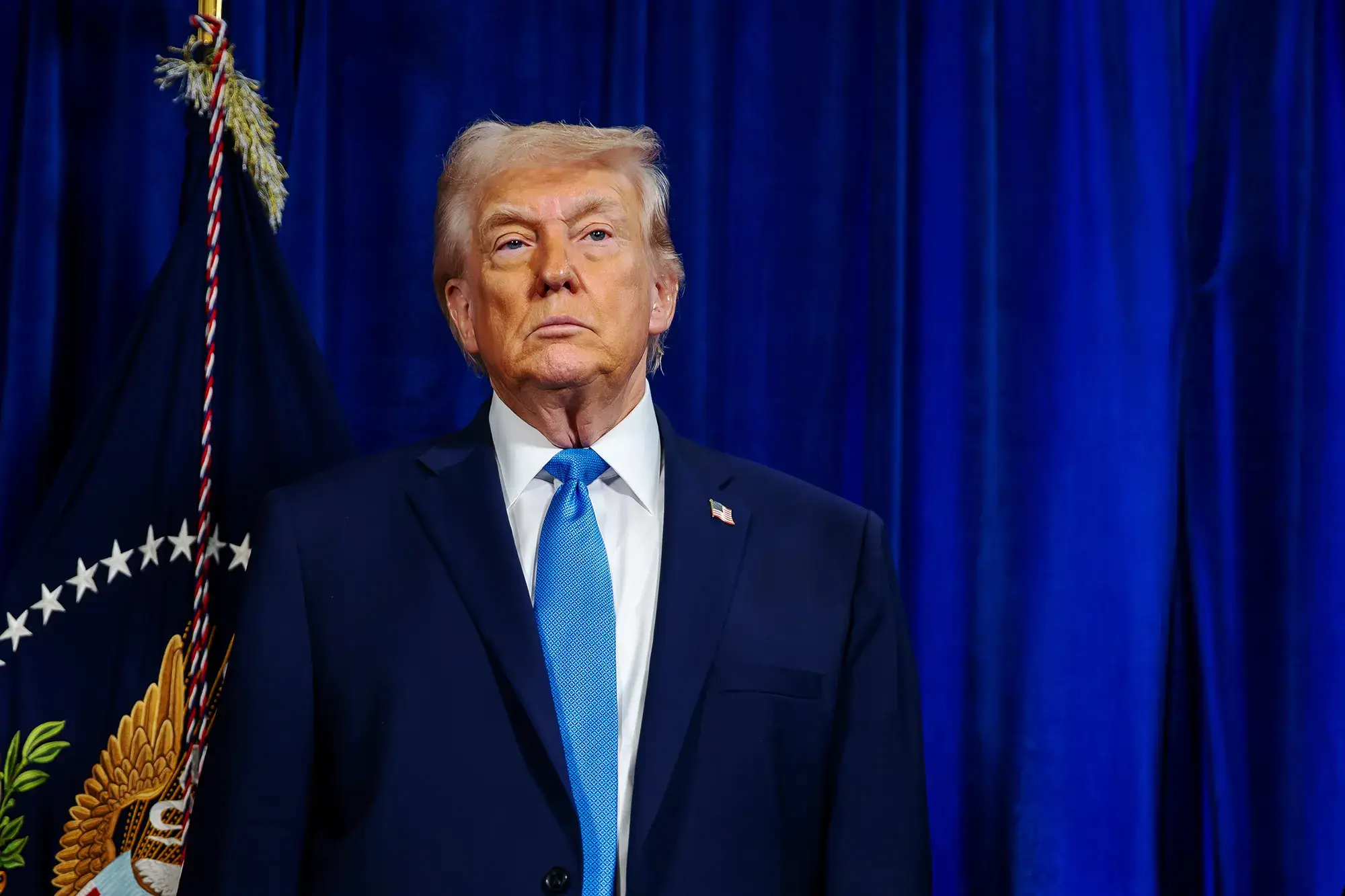
US President Donald Trump’s recent announcement regarding a breakthrough agreement with Iran has reportedly been met with skepticism from some of his top national security officials. Intelligence assessments suggest there may be significant doubt about Iran’s ability to adhere to its obligations under the deal. According to a report by Axios, CIA Director John Ratcliffe informed Trump and other senior officials that US intelligence had raised alarms regarding Iran’s willingness to comply with the nuclear concessions that the United States seeks.

As the Trump administration introduced a memorandum of understanding aimed at reopening the Strait of Hormuz and initiating broader nuclear negotiations, internal discussions revealed deeper concerns. Intelligence evaluations presented to Trump and his advisors indicated that the actual stance of Iranian officials might diverge from their public pledges regarding the agreement.

Ratcliffe highlighted discrepancies in Iran’s messaging, asserting that the intelligence indicated the nation’s intentions were not truly aligned with their stated commitments. A source shared with Axios that these observations have raised red flags about Tehran’s readiness to accept the nuclear limitations desired by the US.

Divided Opinions Within the Trump Administration

In addition to Ratcliffe, other senior officials have reportedly voiced reservations regarding the agreement. Secretary of State Marco Rubio and Defence Secretary Pete Hegseth have also expressed concern about whether Iran would eventually accept the nuclear terms stipulated by the United States. This internal discord reflects differing perspectives on the viability of the agreement and the capability of Iran to meet its obligations.

Conversely, some members of the administration, including Vice President JD Vance, special envoy Steve Witkoff, and former senior adviser Jared Kushner, argued that the memorandum provides a valuable opportunity to gauge Iranian intentions and further the diplomatic process. In spite of these differing views, the White House maintained that the administration remains unified in its support for Trump’s decision.

A White House official stated that President Trump considers all viewpoints before making decisions and that he alone has the final say. The official further claimed that the memorandum incorporates essential safeguards to ensure that Iran cannot acquire nuclear weapons, retain highly enriched uranium, or control critical global energy supplies.

Implications and Future Negotiations

The memorandum is currently seen as a preliminary framework rather than a definitive agreement. Under its terms, the ceasefire will persist while both Washington and Tehran strive to negotiate a more comprehensive nuclear accord over the next sixty days. Throughout these discussions, Iran is expected to keep the status of its nuclear programme unchanged, while the US has committed to abstaining from introducing further sanctions or increasing military presence in the region.

Senior officials have indicated that within weeks, Washington anticipates clarity regarding Tehran’s seriousness in negotiating nuclear concessions. Despite this outlook, critics within the administration express fears that Iran may leverage this period for economic and diplomatic gains without making substantial compromises in the ongoing dialogue.

Amid preparations for forthcoming negotiations, intelligence reports assert that the strategic landscape in the Gulf might have shifted significantly. US assessments indicate that Iran has proven its capacity to disrupt the Strait of Hormuz at will, thereby enhancing its leverage over global energy markets. Reports also suggest that Iran has retained much of its military capabilities, potentially enabling it to threaten vital energy supply routes.

High-stakes discussions are anticipated later this week as senior US officials plan to meet with Iranian Parliament Speaker Mohammad-Bagher Ghalibaf, Foreign Minister Abbas Araghchi, and mediators from Pakistan and Qatar. These talks aim to transform the current framework into a detailed nuclear agreement. While Trump promotes the deal as a step toward lasting peace, skepticism persists among intelligence officials and several members of his administration regarding Iran’s commitment to making the necessary concessions for a final accord.

Long or Short, get news the way you like. No ads. No redirections. Download Newspin and Stay Alert, The CSR Journal Mobile app, for fast, crisp, clean updates!

App Store –  https://apps.apple.com/in/app/newspin/id6746449540 

Google Play Store – https://play.google.com/store/apps/details?id=com.inventifweb.newspin&pcampaignid=web_share

Latest News

Popular Videos
