


Heavy Rains Cause Flooding in Rawalpindi and Islamabad
The CSR Journal Magazine

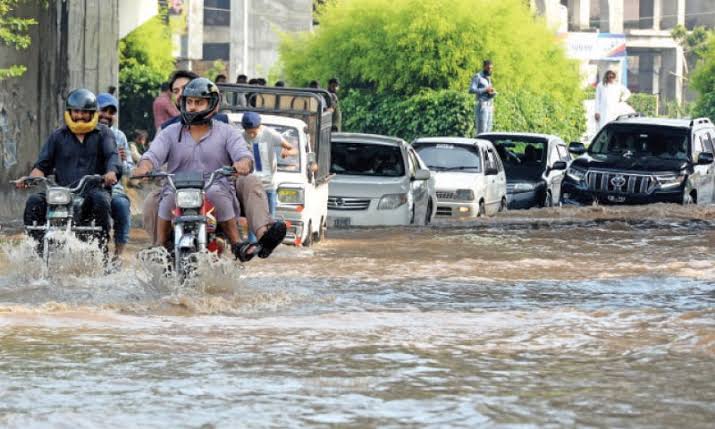
Heavy rainfall has been impacting Rawalpindi, Islamabad, and the nearby regions, resulting in the inundation of low-lying areas and disruption to daily life. As reported by ARY News, authorities from the Water and Sanitation Agency (WASA) confirmed that this current rainfall is the most substantial of the monsoon season thus far, with over 140 mm recorded in various locations.

WASA Rawalpindi has declared a high alert status in response to the downpour, which has significantly affected multiple neighbourhoods under the Chaklala Cantonment Board. Streets and roads have seen extensive water accumulation, particularly in notable areas such as Murree Road, Dhoke Khabba, and Jamia Masjid Road in Sadiqabad.

Emergency Response Efforts Underway

In response to the worsening conditions, WASA has mobilised heavy machinery and personnel to manage drainage and remove standing water. Precautionary measures have been advised to residents in Javed Colony, Nadeem Colony, and Muslim Colony, who are encouraged to relocate to safer areas.

The WASA managing director noted that heavy machinery and crew members are deployed at several identified vulnerable zones, including Liaquat Bagh, Committee Chowk Underpass, and various other locales. The situation remains fluid as authorities continue to monitor areas prone to flooding.

Concerns regarding further rainfall and possible urban flooding have prompted continuous vigilance regarding Nullah Lai and associated drainage systems across the city. Current assessments indicate that water levels have significantly risen, accumulating to 20 feet at Katarian and reaching 17 feet at Gawalmandi Bridge.

Rainfall Data Highlights Severity of Situation

Rainfall measurements reflect the extent of the downpour, with 145 mm recorded in Golra, 134 mm in Bokra, and 106 mm in Pirwadhai. Other affected areas include Gawalmandi, with 79 mm, New Katarian at 78 mm, and Kacheri registering 61 mm. Additionally, 48 mm was recorded at the Pakistan Meteorological Department (PMD), while Shamsabad and Saidpur noted 47 mm and 9 mm, respectively.

In light of these events, authorities have intensified drainage and monitoring operations throughout Rawalpindi and Islamabad. Efforts are focused on managing water accumulation effectively and mitigating the risk of urban flooding, given the ongoing monsoon conditions.

As the rain continues to pose challenges across the affected areas, local government and WASA remain proactive in their response, aiming to restore normalcy for the residents as swiftly as possible. Community members are urged to stay informed and heed cautionary advice from local authorities to ensure their safety amid the adverse weather conditions.

Long or Short, get news the way you like. No ads. No redirections. Download Newspin and Stay Alert, The CSR Journal Mobile app, for fast, crisp, clean updates!

App Store –  https://apps.apple.com/in/app/newspin/id6746449540 

Google Play Store – https://play.google.com/store/apps/details?id=com.inventifweb.newspin&pcampaignid=web_share

Latest News

Popular Videos
