


RBI Boosts Support for Rupee, Considers Rate Hikes Amid Concerns
The CSR Journal Magazine

The Reserve Bank of India (RBI) has implemented its most robust measures to support the rupee in over a decade, indicating that its efforts are not yet complete. Following a significant decline of the Indian currency, which approached a record low of nearly 97 against the US dollar, the RBI’s interventions have reportedly aided in its recovery. However, analysts express concerns regarding the sustainability of this rebound, primarily due to India’s considerable reliance on energy imports.

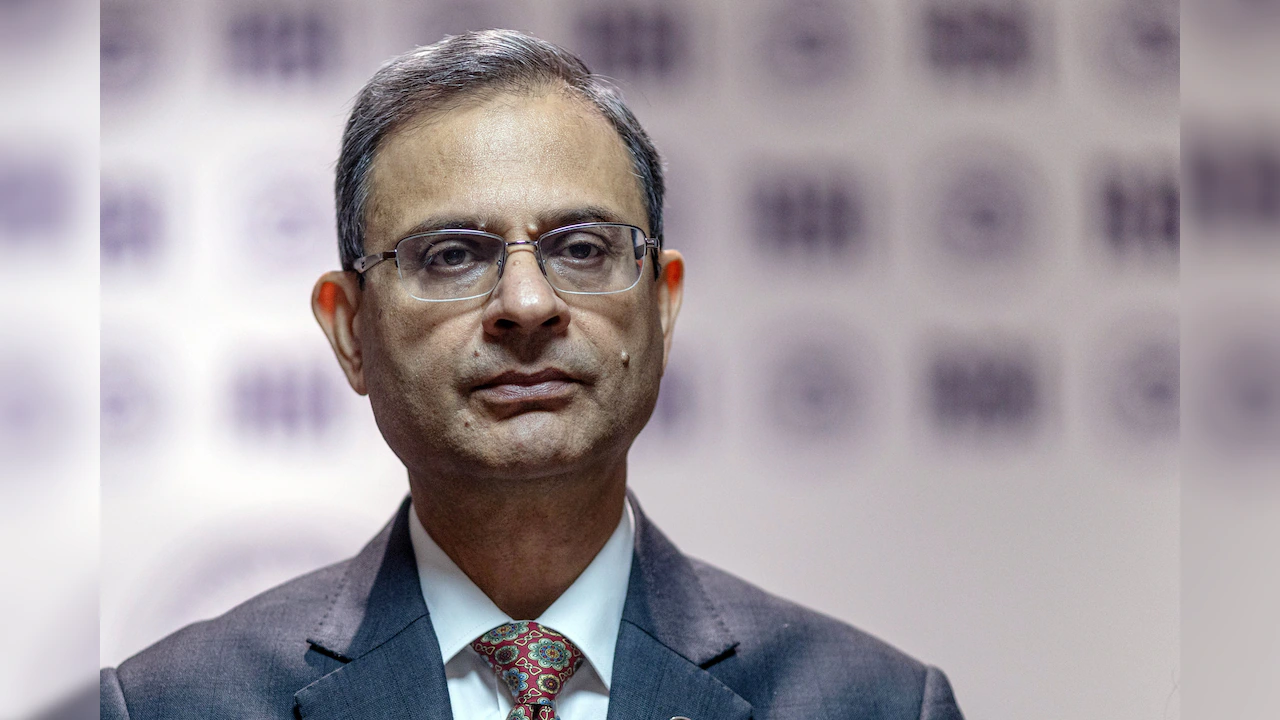
In an interview, RBI Governor Sanjay Malhotra stated that the central bank is prepared to consider additional actions to mitigate speculative trading in the currency market. This announcement has prompted discussions about potential future strategies that Indian authorities might adopt.

Potential Strategies for Currency Stabilisation

One of the key strategies under consideration is the possibility of larger interest rate hikes. The RBI recently raised its interest rate from 5.25 per cent to 5.5 per cent, marking the first increase in nearly four years. While some Asian counterparts have employed monetary tightening to bolster their currencies, the RBI has been cautious. Nevertheless, rising inflation and a narrowing yield gap with the US may compel the central bank to adopt a more aggressive stance.

Michael Wan, a senior currency analyst, noted that increasing rates could address the underlying imbalance affecting the rupee. He indicated that further rate hikes are anticipated as part of the RBI’s strategy to stabilise the currency amidst ongoing challenges related to capital inflows.

Another approach could involve raising the Marginal Standing Facility (MSF) rate, which currently stands 25 basis points above the key policy rate. Historically, the RBI has used this mechanism to defend the rupee, notably during the 2013 taper tantrum when the rate was increased by 200 basis points. Such a move could tighten liquidity and make borrowing more expensive for banks, potentially supporting the rupee’s value.

Long-Term Considerations for the Indian Rupee

Experts also suggest that a more flexible exchange rate policy could be beneficial. Nomura Holdings Inc. and Emkay Global Financial Services have advocated for allowing the rupee to adjust gradually, rather than through abrupt corrections. This flexibility may help mitigate volatility in the currency market, which has seen increased intervention from the RBI in recent weeks.

Additionally, authorities may consider reducing the timeline for exporters to repatriate earnings to six months, aligning it with the standard credit period for export payments. This adjustment follows a previous modification in June, when the timeline was shortened from 15 months.

Other potential measures include a reduction in long-term capital gains tax on stocks to attract foreign investment and support the rupee. Finance Minister Nirmala Sitharaman acknowledged the ongoing discussions regarding this tax but emphasised the need for caution as the budget approaches. Furthermore, raising domestic fuel prices could alleviate fiscal pressure and reduce oil demand, thus potentially lowering the country’s oil-import bill and supporting the rupee in the long run.

Long or Short, get news the way you like. No ads. No redirections. Download Newspin and Stay Alert, The CSR Journal Mobile app, for fast, crisp, clean updates!

App Store – https://apps.apple.com/in/app/newspin/id6746449540

Google Play Store – https://play.google.com/store/apps/details?id=com.inventifweb.newspin&pcampaignid=web_share

Latest News

Popular Videos
