


Essentials of a Gut-Friendly Diet: Fibre, Variety, and Balance
The CSR Journal Magazine

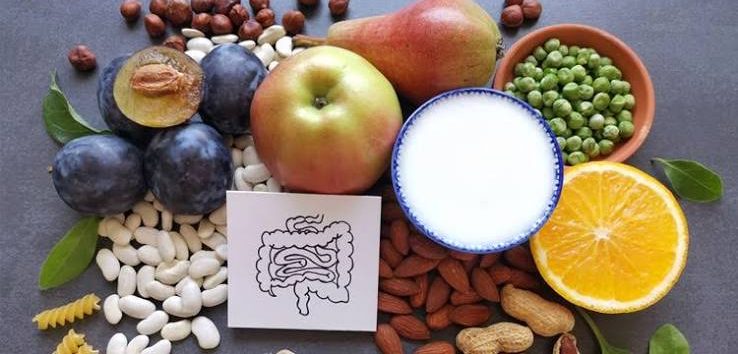
Gut health has become increasingly significant in discussions surrounding nutrition. Experts assert that a diet beneficial for the gut does not necessitate complex meal plans or a lengthy list of prohibited foods. At its core, a gut-friendly diet hinges on the principles of variety, fibre, hydration, and consistency. A principal element of such a diet is fibre, which plays a crucial role in supporting digestive health.

Fibre is predominantly found in fruits, vegetables, and pulses and is vital for regular bowel movements. It also serves as fuel for beneficial gut bacteria. In the context of an Indian diet, incorporating lentils, chickpeas, kidney beans, oats, fruits, or flaxseeds can be effective. It is important, however, to increase fibre intake gradually. Transitioning abruptly from a low-fibre diet to one high in fibre can cause bloating instead of improvement.

To facilitate this transition, individuals should recognise the importance of adequate hydration alongside increased fibre consumption. This approach allows the digestive system time to adjust to the enhanced fibre content, thereby promoting better gut health.

The Role Of Dietary Variety

A healthy gut benefits significantly from dietary diversity. Rather than consuming the same “healthy” foods daily, it is advisable to rotate fruits, vegetables, grains, pulses, nuts, and seeds in the diet. Including a range of colourful fruits can effortlessly enhance diversity in meals. For instance, North American cranberries are a nutritious addition that can be incorporated into breakfast bowls, oatmeal, trail mixes, salads, or yoghurt.

Whole cranberries not only add fibre but also contain polyphenols, which are plant compounds currently under examination for their effects on the gut microbiome. It is essential to focus on whole foods and mindful preparation. Preference should be given to unsweetened or minimally sweetened cranberry products, as those with high added sugar content may not be beneficial.

This perspective underscores the importance of whole foods in promoting gut health rather than merely focusing on isolated ingredients. Consuming a varied diet contributes to the overall wellness of gut flora, enhancing digestion and nutrient absorption.

Balanced Meal Composition For Gut Health

Gut health should be integrated into a broader nutritional framework. A well-balanced meal ideally comprises fibre-rich carbohydrates, proteins, vegetables or fruits, and healthy fats. Examples include pairing lentils with brown rice and vegetables, creating a vegetable and paneer wrap using whole-grain roti, or mixing yoghurt with fruits and seeds. This strategy emphasises a sustainable approach to nutrition, steering clear of the elimination of entire food groups based on popular trends.

The overarching principle of maintaining gut health can be summarised as prioritising dietary variety, incorporating more whole foods rich in fibre, including fermented foods where suitable, and ensuring sufficient hydration. Avoiding extreme dietary practices supports long-term gut wellness and overall health.

In summary, the focus should be on consistency rather than chasing dietary trends. A balanced, varied approach to meals contributes positively to the gut microbiome, fostering better overall health and wellbeing.

Long or Short, get news the way you like. No ads. No redirections. Download Newspin and Stay Alert, The CSR Journal Mobile app, for fast, crisp, clean updates!

App Store –  https://apps.apple.com/in/app/newspin/id6746449540 

Google Play Store – https://play.google.com/store/apps/details?id=com.inventifweb.newspin&pcampaignid=web_share

Latest News

Popular Videos
