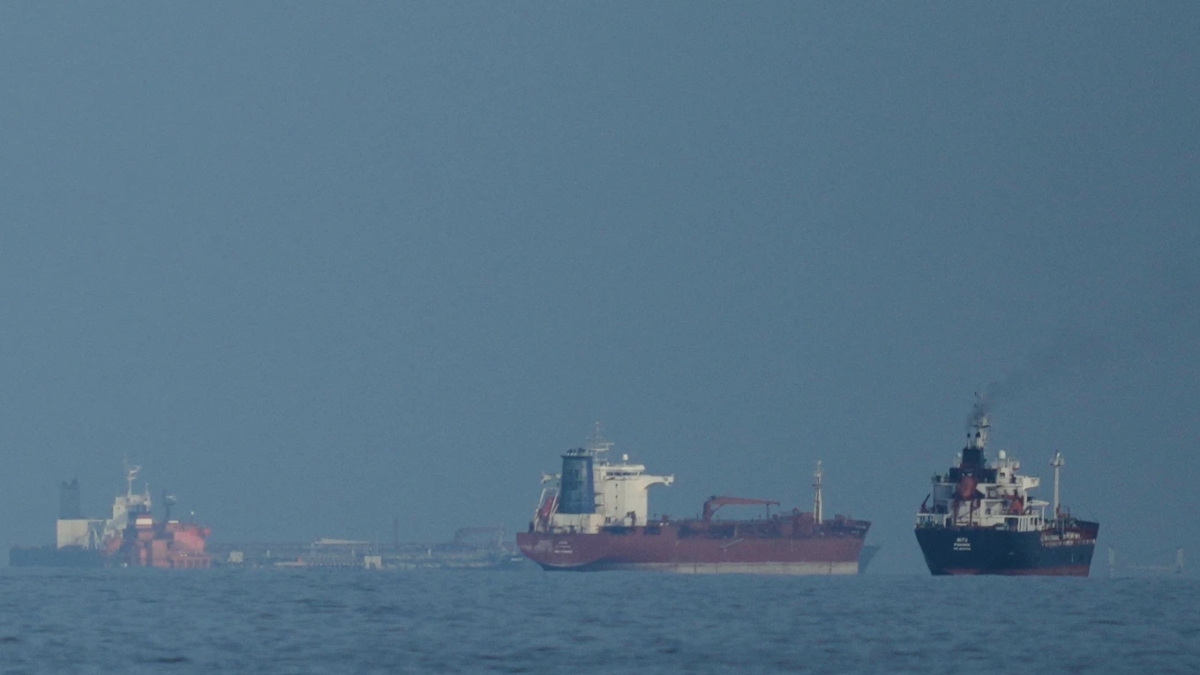
US Pounds Iranian Targets Near Strait of Hormuz, 5,000-Pound Bunker Busted

The CSR Journal Magazine

The United States military has executed airstrikes utilizing 5,000-pound bunker buster bombs aimed at specific Iranian targets in the vicinity of the Strait of Hormuz. This operation signifies an escalation in military actions in the region, where tensions have been rising significantly over the past months. The use of such heavy ordinance illustrates the seriousness with which the U.S. is responding to perceived threats from Iran.

Details of the Airstrikes

The airstrikes took place on March 18, 2026, and were reportedly conducted under the direction of U.S. military officials following a series of provocations attributed to Iranian forces.

While specifics about the targets remain sparse, sources confirm that the strikes were intended to dismantle critical military infrastructure believed to support hostile operations in the area. This bold action reflects the U.S. stance on protecting its interests and allies in the Gulf region.

Reactions and Implications

The immediate aftermath of the bomb strikes has been one of heightened alert across the region. Responses from Iranian authorities have been swift, with military officials denouncing the action as a violation of international law.

Analysts suggest that this military engagement could further strain diplomatic relations between the U.S. and Iran, complicating existing negotiations surrounding regional security. Furthermore, the potential for retaliation from Iranian forces poses a serious concern for neighboring countries and international shipping routes within the Strait of Hormuz.

International Context

The Strait of Hormuz is a critical maritime passage that handles a significant portion of the world’s oil shipments. Control and security in this area have been focal points of U.S. foreign policy, particularly in light of Iran’s influence in the region.

The decision to deploy such devastating munitions emphasizes the U.S. commitment to maintaining freedom of navigation and deterring any actions that threaten regional stability. Prior to this operation, the U.S. had engaged in various defense maneuvers to bolster its military presence in the Gulf.

Future Developments

This incident has not only escalated military tensions but has also attracted attention from international observers monitoring the situation closely. Experts predict that further developments may entail increased military preparedness from both sides, potentially leading to a prolonged period of instability. With diplomatic channels strained, the likelihood of further military actions or retaliatory strikes remains heightened as the situation continues to unfold.

Monitoring the Situation

As this story is developing, updates will emerge regarding reactions from international bodies and responses from U.S. allies. The global community is watching closely, as subsequent events could have far-reaching implications for geopolitics in the Middle East. Analysts emphasize the need for diplomatic initiatives to de-escalate tensions in order to prevent a broader conflict from developing in the already volatile region.

Long or Short, get news the way you like. No ads. No redirections. Download Newspin and Stay Alert, The CSR Journal Mobile app, for fast, crisp, clean updates!

App Store –  https://apps.apple.com/in/app/newspin/id6746449540 

Google Play Store – https://play.google.com/store/apps/details?id=com.inventifweb.newspin&pcampaignid=web_share

Latest News

Popular Videos