


Tibet Flash Floods: 21 Dead, 541 Missing Including 49 Indians
The CSR Journal Magazine

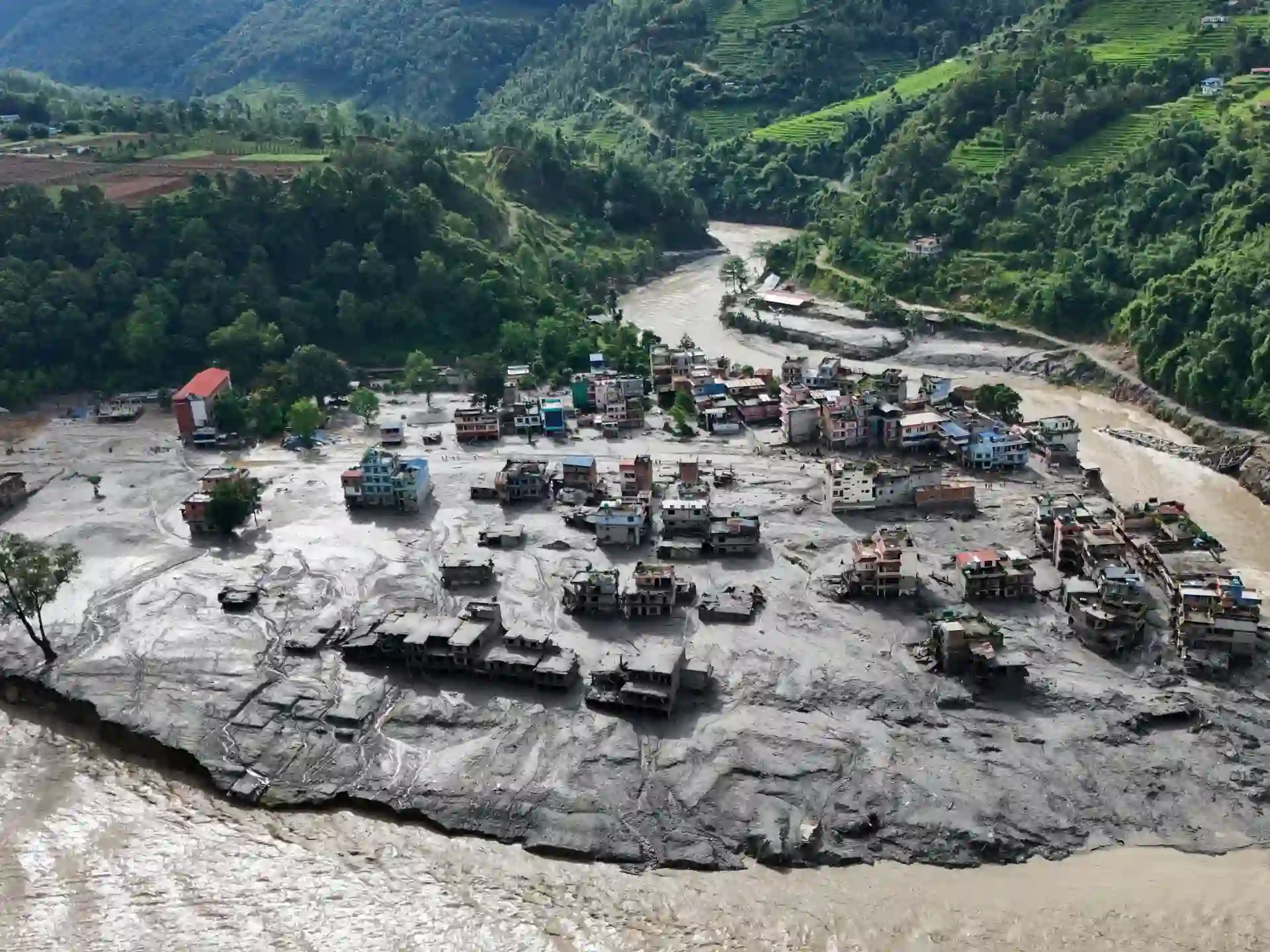
The flash flood that struck Gyirong County in Tibet, near the Nepal border, has resulted in an increased death toll of 21 individuals, while 541 people remain unaccounted for, according to reports from Chinese officials. The figures were disclosed during a briefing on August 30, highlighting the severity of the disaster that unfolded last week.

Details on the Missing Individuals

Among those reported missing are 261 foreigners from 22 different countries, including 49 Indian nationals. Additionally, nearly 100 Chinese citizens are unaccounted for in Nepal. The diverse nationalities of the missing individuals emphasize the international implications of the disaster, as rescue efforts continue to locate survivors.

In response to the crisis, Chinese authorities have sent emergency supplies and specialised teams to assist in rescue operations. The state-run Xinhua News Agency reported the latest casualty figures, noting the urgent need for relief efforts in both Tibet and Nepal.

During a media briefing in Beijing, Chinese Foreign Ministry spokesperson Guo Jiakun confirmed that a second batch of emergency supplies had successfully reached Kathmandu by Tuesday, following a request from Nepal. This assistance is crucial as local rescue teams work tirelessly to respond to the unfolding emergency.

Continued Support and Preparation

In addition to the supplies already dispatched, China is reportedly preparing a third batch of emergency relief items, which will include Bailey bridges, mortuary refrigerators, epidemic prevention supplies, and emergency communication equipment, all at the request of the Nepali government. Furthermore, Guo announced plans to send a second group of DNA forensic experts to support the identification efforts of missing persons.

Nepal has expressed gratitude to China for its rapid response in sending additional supplies and technical support, reinforcing the importance of international cooperation in times of crisis. This collaborative spirit is vital for effective disaster management and recovery.

Officials have pointed out that the flash flood was linked to climate-related events, specifically the collapse of a glacier in Nepal, which unleashed a rapid flow of ice and rocks. This development underscores the potential dangers posed by climate change to the Himalayan region.

Challenges and Future Coordination

Questions regarding glacier retreat and the potential for a coordinated response with neighbouring countries have been raised in light of the disaster. Guo stated that Beijing has shared pivotal satellite imagery and hydrological data with Kathmandu, focusing on enhancing joint efforts in meteorology, water conservancy, and disaster prevention.

He emphasised that the long-term effects of global warming have rendered glaciers unstable, exacerbating risks for communities in the region. Guo further indicated that the challenges posed by climate change are a global concern, advocating for continuous international cooperation to mitigate disasters linked to these environmental changes.

Chinese officials reiterated their commitment to supporting Nepal in the ongoing relief efforts and fostering partnerships aimed at reducing the impact of future disasters. A unified approach is seen as essential in addressing the risks associated with climate change that affect multiple nations.

Long or Short, get news the way you like. No ads. No redirections. Download Newspin and Stay Alert, The CSR Journal Mobile app, for fast, crisp, clean updates!

App Store –  https://apps.apple.com/in/app/newspin/id6746449540 

Google Play Store – https://play.google.com/store/apps/details?id=com.inventifweb.newspin&pcampaignid=web_share

Latest News

Popular Videos
