


app-store-logo
play-store-logo
March 1, 2026

Shia Muslims Stage Protest in Srinagar Over Death of Ayatollah Ali Khamenei
The CSR Journal Magazine

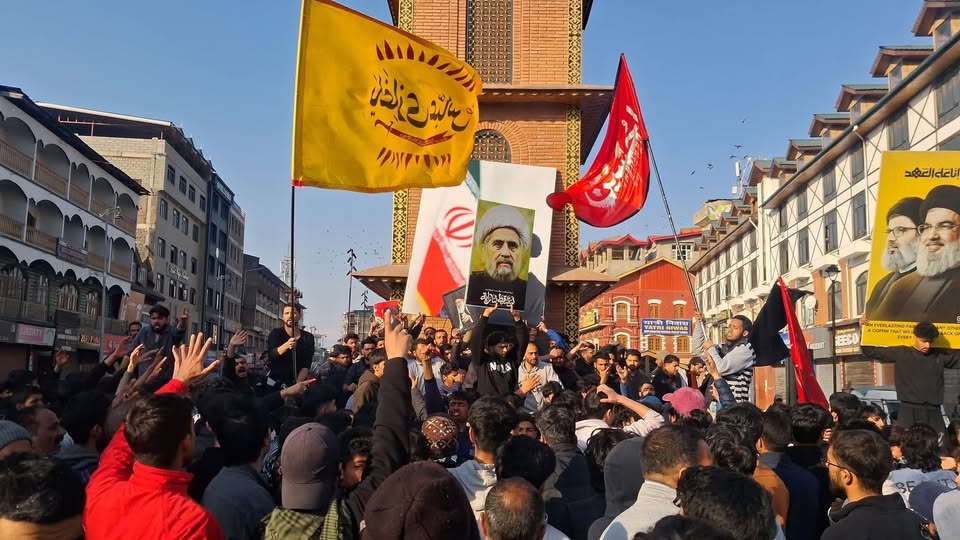
Hundreds of Shia Muslims in Srinagar, Jammu and Kashmir, gathered to protest against the killing of Iran’s Supreme Leader Ayatollah Ali Khamenei, reportedly carried out during strikes by U.S. and Israeli forces. The demonstrators expressed their discontent through anti-U.S. and anti-Israel slogans, showing solidarity with Iran and denouncing the military actions that led to Khamenei’s death.

Details of the Peaceful Protests

The protests remained peaceful, with participants displaying images of Khamenei and banners supporting Iran’s leadership. Many were seen carrying black flags and chanting traditional mourning songs, known as Nauha, in the streets of the city.

A protester commented on the atmosphere, highlighting the communal mourning and sadness felt by many. He stated that the actions taken against Khamenei resulted in significant grief among the community.

Khamenei’s Impact on the Shia Community

For the Kashmiri Shia Muslims, Ayatollah Khamenei was not merely a foreign political figure but held the status of Marja-e-Taqlid, or a Source of Emulation. His death is perceived as a profound loss for the community, expressing their emotional connection to his leadership. Iran has initiated a 40-day national mourning period, as this timeframe holds special significance in Shia Islam, especially the 40th day after one’s passing.

Iran’s National Response

The Iranian government has declared a period of national mourning, with flags ordered to fly at half-mast and many public gatherings being organized to honor Khamenei’s memory. His demise marks a significant transition for the Islamic Republic, concluding a 37-year era of his governance.

The former Supreme Leader succeeded Ruhollah Khomeini, the founder of the Iranian Revolution, and had maintained a consistent opposition to Western influence since he took office in 1989.

Heightened Security Measures in Iran

In anticipation of potential unrest following Khamenei’s death, Iranian authorities have increased security measures across major cities, including Tehran. The focus is also on the challenges of selecting his successor, with discussions around various potential candidates causing speculation about Iran’s future leadership. This situation raises questions about the influence of different power structures within the country, including the clergy and military forces.

Media Coverage and Public Reactions

Following the announcement of Khamenei’s death, Iranian state media portrayed the incident as a Martyrdom, emphasizing his supposed sacrifice for the nation. Reports indicated celebrations in various cities where some citizens expressed joy over the news, contrasting sharply with the mourning in other communities. Clips shared on social media showcased feedback from Iranians expressing this dichotomous sentiment, illustrating varying responses to the Supreme Leader’s death.

International Perspectives and Reactions

Responses to Khamenei’s death span a wide range. Some international figures remarked on the implications of his passing for Iran’s political landscape, while exiled Iranian crown prince Reza Pahlavi called for unification among Iranians in support of a stable transition towards a democratic future.

He urged security forces to support the people’s aspirations instead of the existing regime, highlighting the potential for significant change in the country following this pivotal event.

Long or Short, get news the way you like. No ads. No redirections. Download Newspin and Stay Alert, The CSR Journal Mobile app, for fast, crisp, clean updates!

App Store –  https://apps.apple.com/in/app/newspin/id6746449540 

Google Play Store – https://play.google.com/store/apps/details?id=com.inventifweb.newspin&pcampaignid=web_share

Latest News

Popular Videos
