


PM Modi Advocates for Peace and Dialogue Amid West Asia Conflict
The CSR Journal Magazine

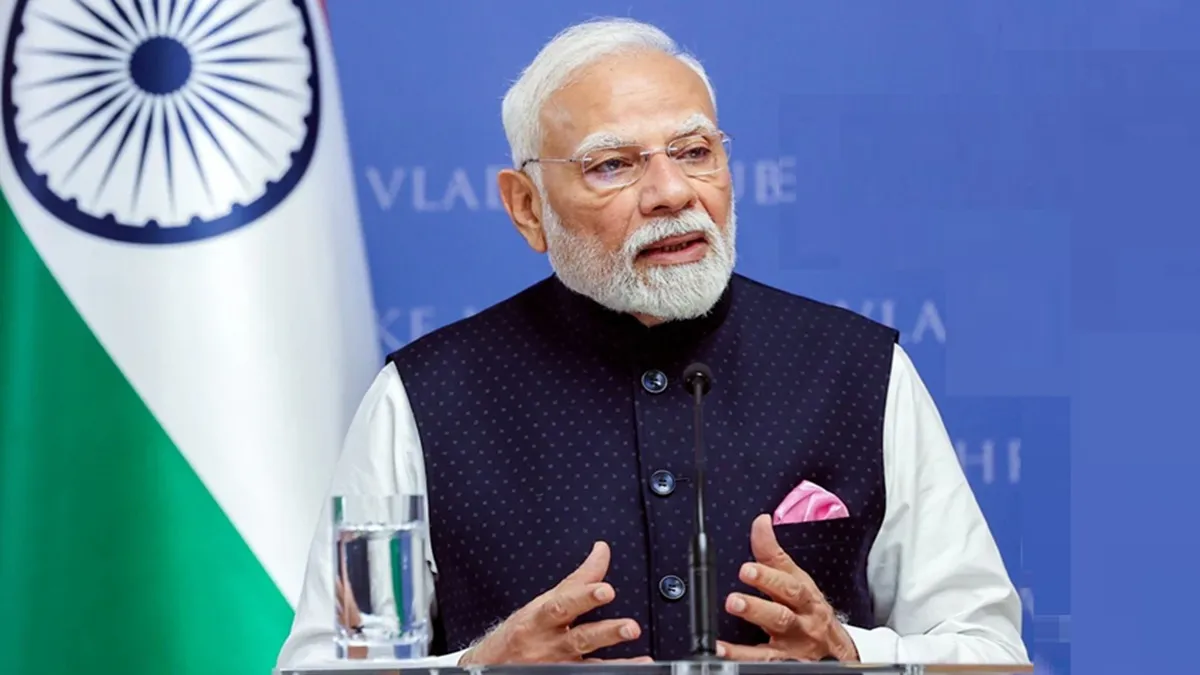
In a statement made during a session of the Rajya Sabha, Prime Minister Narendra Modi emphasized the importance of global dialogue to foster peace in the context of the ongoing conflict in West Asia. The escalating violence has had far-reaching consequences, disrupting trade, energy supplies, and the wellbeing of millions of Indians working in the Gulf region.

“The war, ongoing for over three weeks now, has resulted in a significant energy crisis worldwide, raising concerns for India as well,” PM Modi noted. He outlined that the turmoil has adversely affected vital trade routes, impacting the regular supply of essential goods such as petrol, diesel, gas, and fertilizers.

India’s Continuous Engagement with Global Leaders

During his address, PM Modi highlighted that he has conducted multiple discussions with regional leaders since the conflict began, reinforcing India’s ongoing communication with countries across the Gulf, as well as with Iran, Israel, and the United States. He asserted, “Around one crore Indians reside and work in the Gulf countries; thus, ensuring their safety is a significant concern for India.” The Prime Minister pointed out that numerous vessels, including those with Indian crew members, are currently stranded in the Strait of Hormuz, further complicating the situation.

Efforts in Evacuations and Diplomatic Solutions

The Prime Minister also announced that over 375,000 Indians have been safely evacuated amid the hostilities, with more than 1,000 of those evacuations completing from Iran alone. He urged all involved parties to seek a peaceful resolution rather than continue escalating conflicts. “Any threat to human life is contrary to the interests of humanity,” he stated, affirming India’s commitment to facilitating dialogue among all parties for an immediate resolution.

War’s Impact on Trade and Economic Stability

The conflict, now entering its fourth week, has considerably affected trade routes through the strategically crucial Strait of Hormuz. This escalation followed the death of Iran’s Supreme Leader, Ayatollah Ali Khamenei, in coordinated military strikes conducted by the US and Israel on February 28. In response, Iran has targeted assets of both nations across various Gulf states, exacerbating disruptions to the maritime corridor and creating fluctuations in international energy markets, thereby affecting global economic stability.

Recent Developments in Diplomatic Relations

As tensions mount in the region, reports suggest a potential avenue for negotiations. Israeli media outlet Yedioth Ahronoth cited that Iran’s Supreme Leader, Mojtaba Khamenei, is open to discussions with American officials. The report highlighted a dialogue between Iranian Foreign Minister Abbas Araghchi and US intermediary Steve Witkoff, approved at high levels within the Iranian government. These developments may indicate a willingness to explore diplomatic resolutions amid ongoing hostilities.

Long or Short, get news the way you like. No ads. No redirections. Download Newspin and Stay Alert, The CSR Journal Mobile app, for fast, crisp, clean updates!

App Store –  https://apps.apple.com/in/app/newspin/id6746449540 

Google Play Store – https://play.google.com/store/apps/details?id=com.inventifweb.newspin&pcampaignid=web_share

Latest News

Popular Videos
