


No Agreement Unless Iran Abandons Nuclear Weapons, Trump States
The CSR Journal Magazine

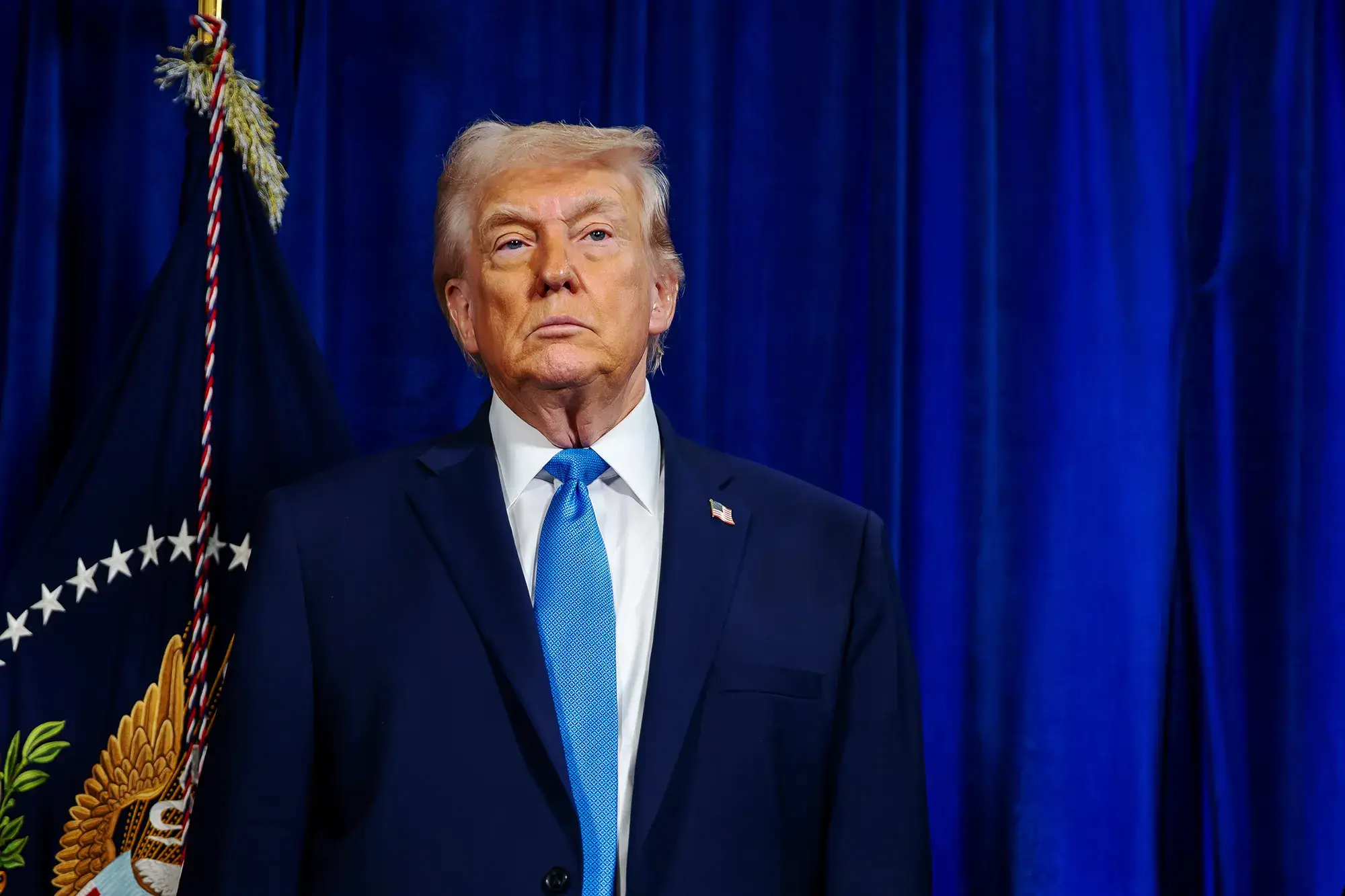
In a recent statement, US President Donald Trump declared that any potential agreement with Iran hinges on the nation’s willingness to relinquish its nuclear arms programme. He emphasised that without Iran’s complete commitment to abandoning nuclear weapons, no deal would be reached.

This statement aligns with Trump’s long-standing stance on preventing nuclear proliferation, particularly regarding countries perceived as threats. His administration previously implemented stringent sanctions on Iran to restrict its nuclear activities, under the belief that a tougher approach would yield better diplomatic results.

Negotiations surrounding Iran’s nuclear programme have been a contentious issue for several years, with various administrations seeking different approaches. Trump’s comments suggest a reluctance to soften demands, despite ongoing discussions about the revival of the Nuclear Deal that originally aimed to limit Iran’s nuclear capabilities.

International Reactions to Trump’s Remarks

The  President’s comments have elicited a range of responses from international leaders and analysts. Some express concern that his hardline stance could hinder diplomatic efforts to reintegrate Iran into the global community and address regional security issues.

Observers note that a firm position could lead to further isolation of Iran, making it crucial for diplomatic channels to remain open. Countries involved in negotiations, including European nations and Russia, are watching closely to gauge the impact of Trump’s statements on ongoing dialogue.

In light of the complex geopolitical dynamics, the possibility of renewed tension in the region remains high. Diplomatic efforts will likely be challenged by the divergent perspectives on how to handle Iran’s nuclear ambitions, particularly in response to Trump’s unwavering demands.

Additionally, Trump’s remarks may influence public opinion within the US, where debates on foreign policy continue to evolve. Leaders in Congress and various advocacy groups are likely to engage in discussions about the implications of a potential return to stringent policies regarding Iran.

Potential Outcomes of the Current Standoff

The ongoing tension between the US and Iran raises questions about the future of international relations in the region. Should Iran refuse to comply with demands to abandon its nuclear programme, it could reinforce existing sanctions and diplomatic isolation. This outcome may further exacerbate economic challenges within Iran and complicate its relations with other countries.

Conversely, if diplomatic negotiations can progress, there may be potential pathways to a new agreement that includes stipulations for broader regional security and stability. Analysts suggest that the key will be finding common ground that addresses not only nuclear concerns but also regional conflicts that involve Iranian influence.

In these discussions, the role of other nations will also be crucial. The involvement of allies and adversaries alike may shape the success of negotiations, as multiple stakeholders have vested interests in the outcome. Balancing these interests while addressing security concerns will be a significant challenge for diplomats moving forward.

As the situation evolves, the international community remains watchful, cognisant of the broader implications that any agreement—or lack thereof—might have on global peace and security. The challenge will be to navigate the complexities of diplomacy in a climate characterised by mistrust and diverging priorities.

Long or Short, get news the way you like. No ads. No redirections. Download Newspin and Stay Alert, The CSR Journal Mobile app, for fast, crisp, clean updates!

App Store –  https://apps.apple.com/in/app/newspin/id6746449540 

Google Play Store – https://play.google.com/store/apps/details?id=com.inventifweb.newspin&pcampaignid=web_share

Latest News

Popular Videos
