


Nepal Disaster: Early Warning Signs Raise Questions Over Preparedness
The CSR Journal Magazine

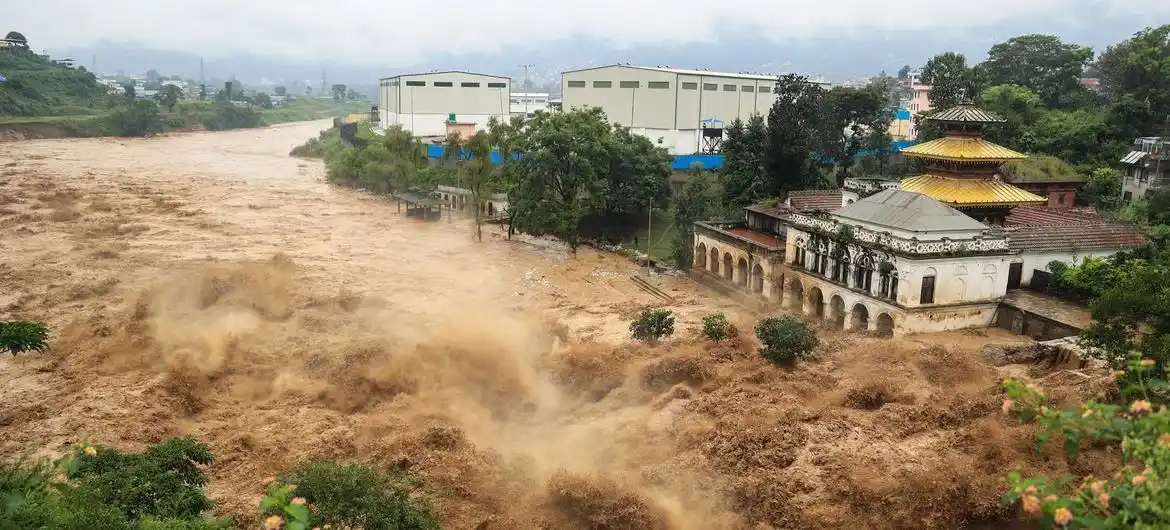
The recent calamity in Nepal has raised numerous questions regarding the predictability of such disasters. Reports indicate that there were warning signs, visible prior to the event, which could have suggested an impending hazard. Among these, geophysicist Manoochehr Shirzaei identified alarming movement in the glacier–rock system close to the epicentre of the disaster. Observations revealed a displacement of almost 10 mm per month in this area shortly before the collapse, suggesting significant geological instability.

Within the final days leading up to the avalanche, evidence gathered through change-detection analysis illustrated substantial surface changes around exposed rock formations. This area was identified as being in a state of high instability, corroborating Shirzaei’s earlier assessments. Further, satellite data from the NISAR project, a collaboration between NASA and ISRO, displayed cumulative shifts on a steep slope, indicating that the geological structure had been precariously changing in the weeks preceding the disaster.

Scientific observations also pointed to considerable snow loss on certain glaciers during the 24 hours right before the event, raising further concerns about the immediate stability of the site.

Evidence from Scientific Assessments

A comprehensive hazard assessment conducted by an international team, which included experts from the Stimson Center and China’s Institute of Mountain Hazards and Environment, detailed several visual warnings sourced from satellite imagery. Notably, by August 24, 2026, the meltwater near the site of the eventual collapse was visibly discoloured, indicating potential instability. Furthermore, cracks appearing in the surrounding rock were recorded before the disaster occurred, although these indicators were not identified in real-time.

The assessment also referenced climate data which showed anomalously high temperatures around the disaster zone in the month leading up to the event. Such warmth reportedly may have accelerated melting processes, contributing to the risks involved. However, independent verification of these pre-collapse indicators proved challenging with available resources.

Additional observations revealed rapid snow loss prior to the disaster, particularly highlighted by geomorphologist Dan Shugar at the University of Calgary. Analysis of satellite imagery compared across the days before the incident indicated that significant areas of snow cover had disappeared, particularly in the upper catchment regions.

Hydropower Projects Highlight Underlying Vulnerabilities

The Trishuli river corridor, which includes at least seven hydropower projects, has recorded numerous engineering studies and assessments that indicate recurring vulnerabilities. Following the 2015 earthquake in Nepal, engineers noted that prior rockfalls had already posed risks by diverting river flows and causing flooding at the headworks of certain projects.

The operator of the Chilime hydropower project specifically highlighted concerns regarding the stability of slopes near key infrastructure. Yet, despite these documented risks, regulatory measures in place have been insufficient to address the growing threats posed by climate change, increasing landslides, and extreme weather variations.

The Upper Trishuli-1 project, in its climate-risk assessment, designated a range of environmental changes—such as enhanced streamflows, sedimentation, and landslides—as potential threats. Interestingly, the need for a robust early-warning system became evident, as no effective measures existed for glacier-related risks in the area. Experts have suggested that had there been at least ten minutes’ notice, many lives might have been saved, underscoring the urgent need for improved disaster preparedness in this historically vulnerable region.

Long or Short, get news the way you like. No ads. No redirections. Download Newspin and Stay Alert, The CSR Journal Mobile app, for fast, crisp, clean updates!

App Store –  https://apps.apple.com/in/app/newspin/id6746449540 

Google Play Store – https://play.google.com/store/apps/details?id=com.inventifweb.newspin&pcampaignid=web_share

Latest News

Popular Videos
