


Jairam Ramesh Accuses Centre of Delaying Parliament Prorogation Over Delimitation Bill
The CSR Journal Magazine

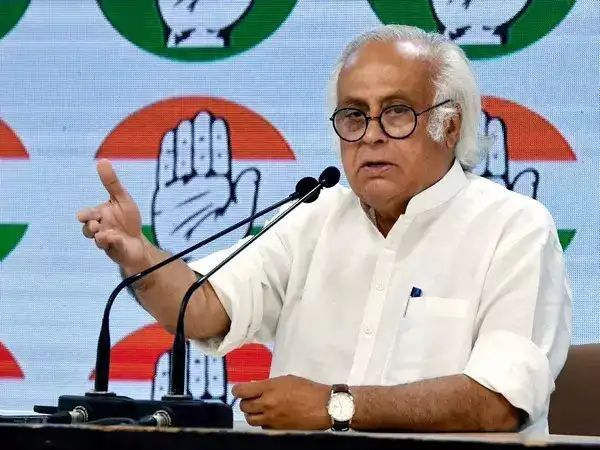
Senior Congress leader Jairam Ramesh has expressed concerns regarding the prolonged delay in the prorogation of Parliament, alleging that the government is intentionally holding the 2026 Monsoon Session “on a ventilator”. He claims this is a strategic move as the government seeks a two-thirds majority in the Lok Sabha to advance the Delimitation Bills.

The Monsoon Session, which commenced on July 20, saw its last sitting on August 13, after a total of 19 sittings. According to Ramesh, Parliament is typically prorogued within three to four days following the adjournment sine die, but he pointed out that this time the interval has stretched to 25 days.

In his remarks posted on X, Ramesh highlighted that the prorogation did not occur in the usual timeframe. He referenced the 2015 Monsoon Session, where a similar delay resulted in prorogation taking 28 days after adjournment, a session that was largely unproductive due to controversies around the Lalit Modi issue, during which the government’s legislative agenda was heavily stunted.

Legislative Context and Opposition Response

During the recently concluded session, a total of 12 Bills were passed, although only one, the Public Examinations (Prevention of Unfair Means) Amendment Bill, 2026, was subjected to meaningful debate in the House. The other Bills encountered opposition protests and were passed without substantial discussion, particularly in light of widespread unrest around issues such as the NEET paper leak and allegations regarding donations to the Ram Temple.

Additionally, Ramesh noted that 11 Bills were introduced in the Lok Sabha alongside two others in the Rajya Sabha during this session. The environment was tense due to the simultaneous protests focused on various grievances, which prevented thorough analysis of proposed legislation.

Following the session, the political landscape has seen shifts, with six MPs from Shiv Sena (UBT) switching allegiance to the Eknath Shinde-led faction, and 20 TMC rebel MPs merging with NCPI. Such developments have revived discussions about the possible reintroduction of the Constitution (131st Amendment) Bill and the Delimitation Bill, which previously fell short of a two-thirds majority in the Lok Sabha on April 17.

Political Implications of Delimitation Bills

Ramesh’s comments suggest that the government’s efforts to secure its majority ahead of the 2026 elections could be influencing the legislative schedule. He alleges that the Home Minister is still searching for a sufficiently large majority to push through the Delimitation Bills, highlighting an ongoing struggle to consolidate political support.

He has questioned how long the Centre will continue its tactics, framing the situation as one of escalating frustration and suggesting that such an approach has its limits. The call for a stable and functional Parliament echoes broader concerns about the efficacy and responsiveness of the current legislative process.

As events continue to unfold, the dynamics between the government and opposition remain critical, particularly in the context of passing significant legislative reforms. Observers await the Centre’s next moves following the extended adjournment and ongoing discussions surrounding the Delimitation Bills.

Long or Short, get news the way you like. No ads. No redirections. Download Newspin and Stay Alert, The CSR Journal Mobile app, for fast, crisp, clean updates!

App Store –  https://apps.apple.com/in/app/newspin/id6746449540 

Google Play Store – https://play.google.com/store/apps/details?id=com.inventifweb.newspin&pcampaignid=web_share

Latest News

Popular Videos
