


India to Secure Five Additional S-400 Missile Systems From Russia
The CSR Journal Magazine

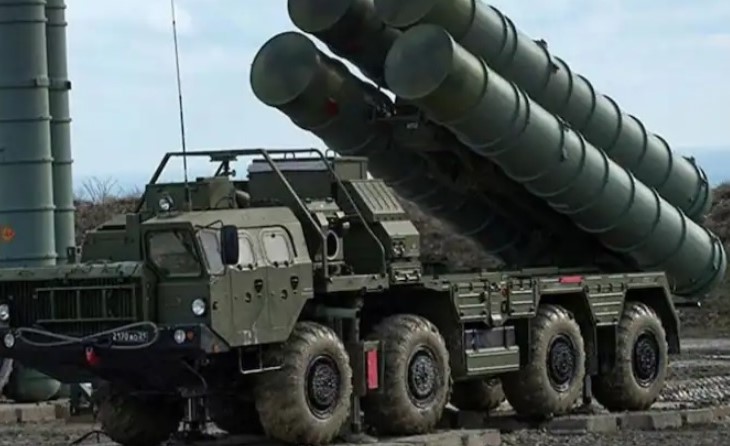
India is progressing towards the acquisition of five more squadrons of the S-400 Triumf long-range air defence system from Russia. This development follows a detailed proposal submitted to India’s Defence Ministry, which comes with an estimated cost exceeding 50,000 crore. Defence sources indicate that the Russian response to India’s previously issued tender has been received and is presently undergoing evaluation.

This proposal emerges several months after the Defence Acquisition Council (DAC) approved the procurement of an additional five S-400 squadrons in March 2026. This decision was influenced by the system’s reported performance during Operation Sindoor in May 2025, when India deployed its air-defence network in response to aerial threats from Pakistan.

The anticipated additional systems are intended to enhance India’s multi-layered air-defence capabilities on both the western and eastern fronts. The S-400 systems are expected to play a critical role in improving the strategic defence posture of the Indian Air Force.

Current Inventory and Operational Deployment

As part of its earlier agreement with Russia, India signed a contract worth $5.43 billion (approximately Rs 51,838 crore) in 2018 for the acquisition of five S-400 squadrons. Currently, four of these systems have been delivered, with the final squadron expected to arrive by November 2026, according to defence officials. The initial three squadrons are in active deployment in key sectors, especially along the western and northern borders.

The S-400 system is designed to identify and target multiple aerial threats, encompassing aircraft, drones, and missiles across varying ranges and altitudes. If the new procurement deal is finalised, India’s planned inventory of S-400 systems will effectively double to ten squadrons.

The prominence of the S-400 system was underscored following Operation Sindoor, during which it reportedly achieved a significant milestone. Air Marshal Jeetendra Mishra, chief of the Western Air Command, stated that the S-400 executed what is presumed to be the longest recorded surface-to-air missile strike, successfully destroying a Pakistani surveillance aircraft from a distance of 314 km.

Future Developments and Strategic Considerations

Looking ahead, the delivery of new systems under the forthcoming contract is expected to commence approximately three years post-signing. In addition, discussions regarding the contract may involve establishing a maintenance, repair, and overhaul (MRO) facility within India. This aspect aligns with India’s aim to bolster domestic production capabilities in defence.

The proposed plan reportedly includes an increased local engagement, which may lead to a joint production arrangement involving two units manufactured in India by private sector firms. The procurement arrangement is likely to involve three squadrons sourced directly from Russia.

The new S-400 systems are anticipated to function in conjunction with India’s indigenous long-range air defence initiative, known as Project Kusha. This reflects New Delhi’s ongoing efforts to develop a comprehensive air-defence network. Additionally, India is separately pursuing the procurement of extra S-400 interceptor missiles to replenish its stock, with plans to acquire over 280 missiles following the experiences garnered from Operation Sindoor.

As the Russian proposal is currently under assessment, the forthcoming process will require evaluation and negotiations before a final contract can be established. This marks a significant step forward in India’s strategic defence capabilities.

Long or Short, get news the way you like. No ads. No redirections. Download Newspin and Stay Alert, The CSR Journal Mobile app, for fast, crisp, clean updates!

App Store –  https://apps.apple.com/in/app/newspin/id6746449540 

Google Play Store – https://play.google.com/store/apps/details?id=com.inventifweb.newspin&pcampaignid=web_share

Latest News

Popular Videos
