


Existing Safeguards Sufficient: Supreme Court Dismisses Plea Seeking Enhanced Zoo Safety
The CSR Journal Magazine

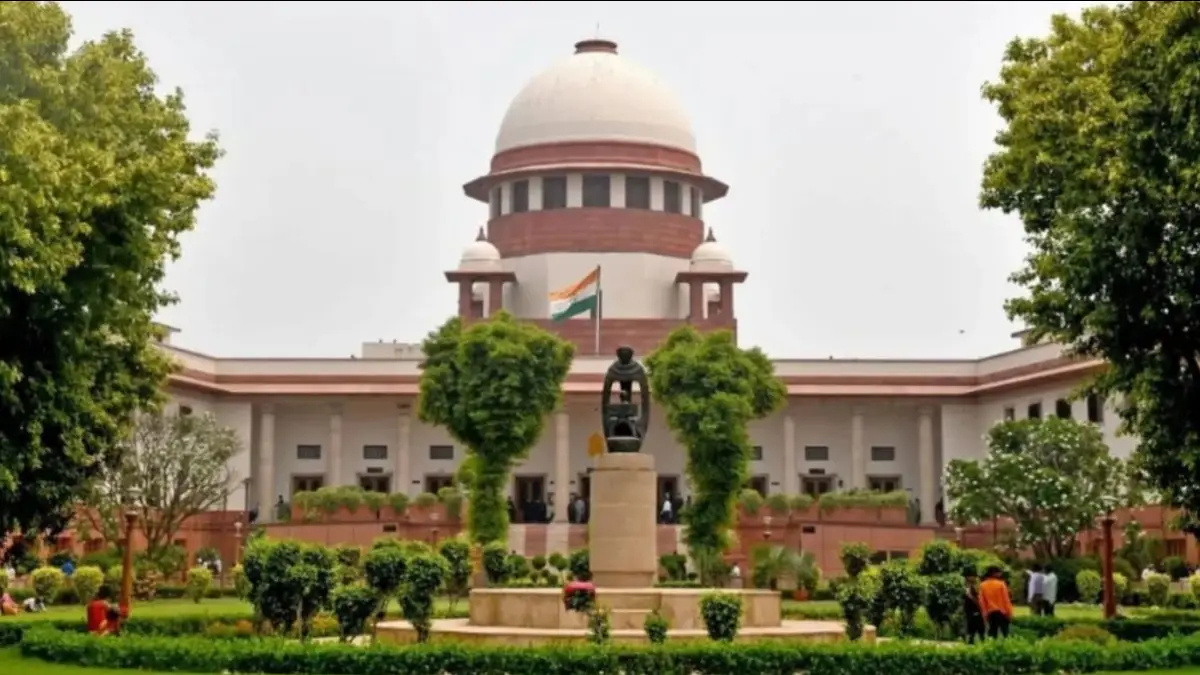
The Supreme Court has recently dismissed a petition that sought measures to prevent individuals from entering animal enclosures at zoos, following allegations of suicide attempts. The ruling was delivered on September 21 and was based on the observation that sufficient safeguards already exist to manage such situations. The Court underlined the importance of adhering to legal norms, suggesting that individuals should act responsibly.

Details of the Legal Proceedings

The petition in question challenged a decision made by the Delhi High Court in July 2020, which had refused to entertain complaints regarding the inaction of authorities in regard to repeated incidents of people accessing animal enclosures across India. While the High Court dismissed the petition, it permitted the petitioner to present their concerns to the relevant authorities for further consideration.

In 2020, the Supreme Court had taken cognisance of the matter, requesting a response from the Centre concerning the intersection of Section 115 of the Mental Healthcare Act, 2017, and Section 309 of the previous Indian Penal Code (IPC). This inquiry aimed to clarify the legal implications surrounding those who attempt suicide and how they are treated under the law.

Section 115 of the Mental Healthcare Act establishes that individuals attempting suicide are presumed to be experiencing severe mental stress. As such, it stipulates that they should not face legal repercussions under the IPC, mandating that the government must provide appropriate care, treatment, and rehabilitation for these individuals.

Concerns Raised by the Petitioner

The petitioner highlighted several incidents where individuals reportedly entered enclosures of tigers and lions, with some instances resulting in fatalities. The allegations included claims that zoo authorities had not implemented adequate preventive measures to safeguard against such occurrences.

The Court’s dismissal of the plea reflects its view that existing regulations and safety protocols are deemed adequate at present. This decision indicates the judiciary’s perspective on balancing individual responsibility with the measures already instituted for public safety in zoos.

Moreover, the involvement of the Centre in the investigation into the intersection of various legal provisions speaks to the broader implications of mental health legislation in relation to criminal law. The ruling also serves as a significant commentary on how the judicial system approaches the sensitive issue of suicide and mental health crises.

Implications of the Supreme Court’s Ruling

This dismissal may have far-reaching consequences for how authorities manage safety in zoos nationwide. It places the onus on individuals to exercise appropriate judgment, while also calling attention to the need for continued discussions about mental health support systems and public safety measures.

The ruling emphasises the necessity for strict adherence to legal provisions related to mental health and suicide prevention. As the legal landscape surrounding these issues evolves, this ruling may serve as a precedent for future cases concerning mental health and public safety in zoo environments.

In conclusion, the Supreme Court’s decision dismisses immediate calls for enhanced safety measures in zoos whilst affirming the importance of both legal standards and mental health considerations in addressing such sensitive societal issues.

Long or Short, get news the way you like. No ads. No redirections. Download Newspin and Stay Alert, The CSR Journal Mobile app, for fast, crisp, clean updates!

App Store –  https://apps.apple.com/in/app/newspin/id6746449540 

Google Play Store – https://play.google.com/store/apps/details?id=com.inventifweb.newspin&pcampaignid=web_share

Latest News

Popular Videos
