


Cancer Toxins Detected in Groundwater Near Maharashtra’s Kumbh Mela Site
The CSR Journal Magazine

Groundwater in Ambad, a region within Nashik, Maharashtra, has been reported to contain dangerously high levels of hexavalent chromium, linked to cancer, raising significant public health concerns as the Kumbh Mela approaches. Testing commissioned by the South Asia Network on Dams, Rivers and People (SANDRP) revealed concentrations of this toxic chemical at 50.3 milligrams per litre (mgL), a staggering 1,006 times above the Bureau of Indian Standards’ permissible limit of 0.05 mgL.

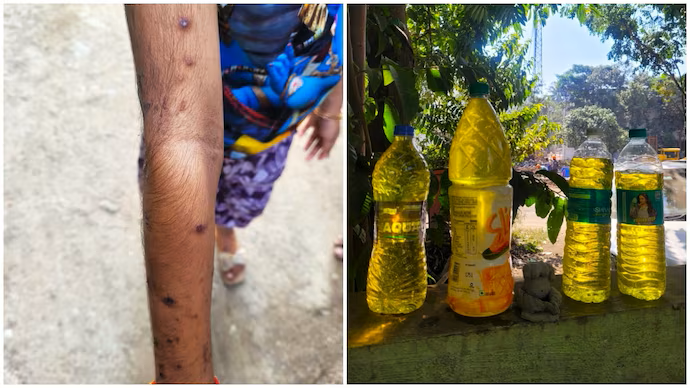
Residents have complained about yellow-coloured borewell water used for various daily activities, including washing clothes and bathing. The alarming test results were made public on October 8, prompting immediate worry about both local health and potential contamination of the nearby Godavari river.

The contamination is suspected to arise from industrial operations in the Maharashtra Industrial Development Corporation (MIDC) zone, specifically related to practices such as electroplating, metal finishing, and paint manufacturing. However, the precise origins of the contamination will require verification through an official investigation.

Understanding Hexavalent Chromium

Hexavalent chromium, also known as chromium-6, is a toxic form of chromium used in various industrial processes. Its presence in the environment is primarily due to poorly treated industrial wastewater. The International Agency for Research on Cancer has classified compounds of chromium-6 as carcinogenic to humans, particularly through inhalation, which can significantly increase cancer risk. The World Health Organisation has indicated that while human studies on consumption through water are limited, significant health concerns remain.

Additionally, exposure to chromium compounds can lead to skin irritation as well as serious health issues, including rashes, blisters, and painful ulcers. Reports from SANDRP have detailed alarming health complaints among local residents, including children, who have allegedly developed skin problems, swollen lymph nodes, and other chronic conditions. Two miscarriages among women in the area have also been reported, warranting further medical examination for any potential links to chromium exposure.

These health concerns underline the necessity for thorough medical evaluations to assess the impact of contaminated water on the local population.

Risks to Local Communities and the Godavari River

SANDRP has raised alarms that contaminated groundwater is likely entering the Godavari river via a local drain, which poses substantial risks not only to local residents but also to the thousands of pilgrims expected to visit during the Kumbh Mela. The network fears that if this tainted water reaches areas designated for bathing, it could have serious health implications.

The regulatory response has attracted critique, particularly from SANDRP, which noted that the Maharashtra Pollution Control Board issued a show-cause notice to one of the industrial entities on September 30. However, there has been a lack of transparency, as the board has not publicly shared the water-testing results.

In light of these findings, there are urgent calls for alternative water supplies, health camps for affected individuals, and public disclosure of testing data. SANDRP has also advocated for testing the local drain and the Godavari downstream to fully ascertain the contamination’s extent. Ensuring residents have access to safe water is considered the immediate priority as Kumbh Mela draws nearer, highlighting the need for timely and transparent actions to safeguard public health.

Long or Short, get news the way you like. No ads. No redirections. Download Newspin and Stay Alert, The CSR Journal Mobile app, for fast, crisp, clean updates!

App Store –  https://apps.apple.com/in/app/newspin/id6746449540 

Google Play Store – https://play.google.com/store/apps/details?id=com.inventifweb.newspin&pcampaignid=web_share

Latest News

Popular Videos
