


No Reprieve for Iranian Oil as US Ends Waiver
The CSR Journal Magazine

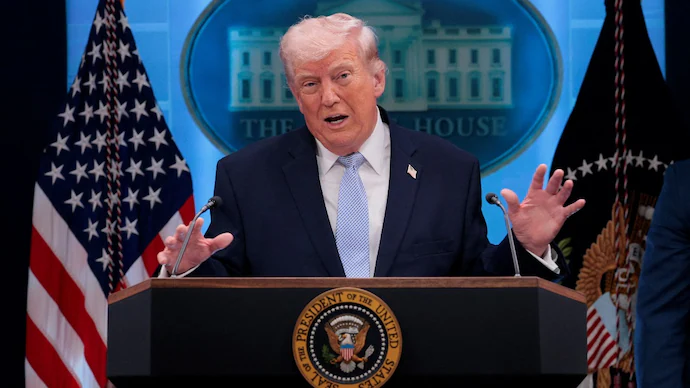
The United States has announced that it will not extend the waiver allowing for sales of Iranian oil, with the deadline approaching on April 19. The Trump administration made it clear that the temporary permission enabling shipments already in transit will also come to an end. This declaration was issued by the US Treasury Department, which emphasised that the short-term authorisation would not be renewed.

In a statement posted on X, the Treasury Department reiterated its intent to tighten restrictions on Iran’s energy exports, framing this step as part of a broader strategy labelled “Economic Fury.” This renewed phase of maximum pressure aims to significantly reduce Iran’s financial capacity by limiting its oil revenues.

The Treasury Department has further cautioned financial institutions engaged with Iran about potential penalties. It has conveyed a clear message that banks supporting Iranian activities risk facing severe financial repercussions, highlighting a strong stance on compliance and sanctions enforcement.

Escalating Tensions in the Hormuz Region

This decision coincides with escalating tensions in the Middle East, particularly surrounding the Strait of Hormuz. The US has implemented a blockade on Iranian-linked maritime movements following the breakdown of ceasefire negotiations. The cessation of the waiver is anticipated to exacerbate challenges for Iran’s oil exports amid ongoing volatility in global energy markets.

Previously, the US had adopted a similar approach towards Russian crude oil, allowing a waiver to lapse without renewal. This indicates a consistent tightening of the overall sanctions policy by the US, aiming for greater economic pressure on both Iran and Russia.

The underlying rationale for ending the Iranian oil waiver stems from growing concerns among US lawmakers, who have voiced their objections to the waivers even prior to their expiration. Critics from both political parties have articulated that these exemptions could inadvertently bolster the economic strength of both Iran and Russia during active conflicts.

Continued Enforcement and Global Financial Pressure

Despite the expiring waiver, US officials have reiterated that they possess various enforcement mechanisms to maintain pressure on Iran. The government is poised to impose sanctions on entities engaged in the Iranian oil trade, particularly focusing on foreign banks and intermediaries that continue to support such transactions.

Additionally, with the reactivation of United Nations sanctions against Iran, any dealings with Tehran could lead to further sanctions. A source familiar with the situation underscored the implications this has for international financial institutions, warning of the associated risks involved.

The Treasury Department is also intensifying scrutiny of countries that have been accused of facilitating financial support for Iran. Letters have been dispatched to regulatory authorities in regions such as China, Hong Kong, the UAE, and Oman, identifying banks alleged to be involved in the transfer of Iranian funds. According to US officials, Iran reportedly channeled at least Rs 73,000 crore through US correspondent accounts in 2024, raising concerns about sanctions evasion.

In correspondence with financial authorities, Treasury Secretary Scott Bessent urged immediate action to identify and curtail any illicit activities connected to Iran. He also highlighted the effects of the US blockade in the Strait of Hormuz, which he stated would hinder Iranian oil from reaching essential markets, particularly noting that China has been a significant destination for Iranian exports.

Long or Short, get news the way you like. No ads. No redirections. Download Newspin and Stay Alert, The CSR Journal Mobile app, for fast, crisp, clean updates!

App Store –  https://apps.apple.com/in/app/newspin/id6746449540 

Google Play Store – https://play.google.com/store/apps/details?id=com.inventifweb.newspin&pcampaignid=web_share

Latest News

Popular Videos
