


Prime Minister Modi to Discuss Women’s Reservation Bill in Lok Sabha
The CSR Journal Magazine

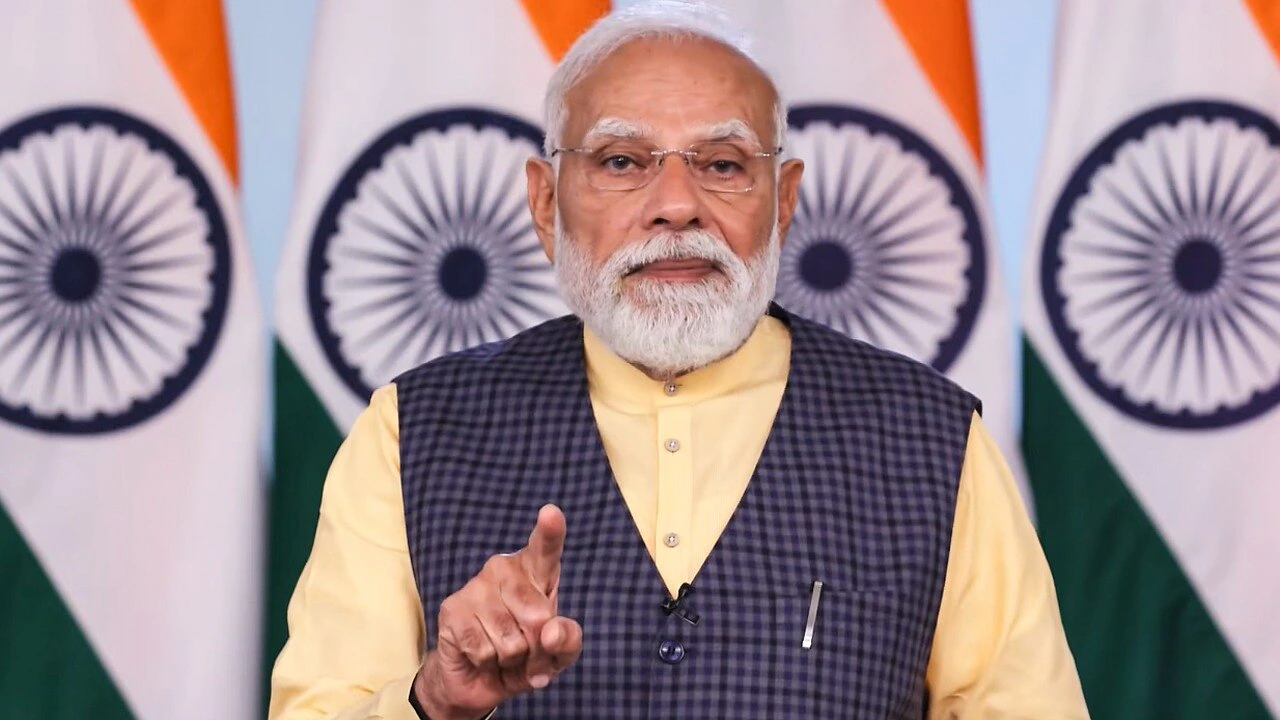
Prime Minister Narendra Modi is set to address the Lok Sabha regarding the Women’s Reservation Constitutional Amendment Bill on April 16. Sources close to the matter have indicated that he will offer legislators a comprehensive plan concerning the bill during his speech.

The Government of India has called a special three-day Parliament session from April 16 to 18 to discuss amendments intended to establish a 33 per cent reservation for women in both the Lok Sabha and state assemblies. This initiative aims to accelerate the reservation process to take effect before 2029, deviating from the existing timeline that is reliant on a census and subsequent delimitation process following the 2027 census.

During the session, Union Home Minister Amit Shah is expected to respond to discussions surrounding the bill. Voting and further debate on the proposed legislation will take place in the Lok Sabha on April 16 and 17, with the Rajya Sabha scheduled to engage on the matter on April 18 and 19.

Key Aspects of the Women’s Reservation Bill

The proposed bill aims to increase the total seats in the Lok Sabha from 543 to 816, reserving 273 of those seats specifically for women. The original legislation stipulated that the reservation would be activated only after a fresh census and delimitation efforts have been completed.

This bill aligns with the Women’s Reservation Act passed in 2023, which provides for the same 33 per cent reservation for women in the Lok Sabha and state assemblies. However, implementation of this law has been stalled due to the pending delimitation procedures that are required before it can take effect.

The Women’s Reservation Bill has sparked significant political debate, with various political parties, including DMK led by MK Stalin, expressing their dissatisfaction with the proposed delimitation exercise. Critics argue that this could lead to diminished representation for non-Hindi speaking states in Parliament.

Constitutional Implications of the Bill

If the government decides to proceed with implementing the reservation prior to the delimitation process, it would necessitate an additional constitutional amendment. This would involve revising Section 5 of the Act, which currently ties women’s reservation to the completion of a delimitation exercise that follows the first census after the law’s introduction.

Implementing such a constitutional change falls under Article 368(2), which requires approval from both Houses of Parliament by a majority of the total members and at least two-thirds of those present and voting. This stipulation indicates the substantial obstacles that may challenge the swift enactment of the reservation policy before the required measures are performed.

The forthcoming session of Parliament is poised to be pivotal in determining the future of women’s representation in Indian governance. The discussions and decisions made during these three days will shape the legislative landscape regarding women’s rights and representation in the nation.

Long or Short, get news the way you like. No ads. No redirections. Download Newspin and Stay Alert, The CSR Journal Mobile app, for fast, crisp, clean updates!

App Store –  https://apps.apple.com/in/app/newspin/id6746449540 

Google Play Store – https://play.google.com/store/apps/details?id=com.inventifweb.newspin&pcampaignid=web_share

Latest News

Popular Videos
