



The West Bengal government has announced a record allocation of Rs 407 crore in subsidies under the Agricultural Mechanisation Scheme for 2026-27, seeking to modernise farming, strengthen the rural economy and create employment opportunities for rural youth.
The State Agriculture Department has set an ambitious target of establishing 500 Custom Hiring Centres (CHCs) and 1,085 Farm Machinery Banks or Hubs across the state. It has also planned to distribute 100 advanced agricultural drones to encourage technology-driven farming.
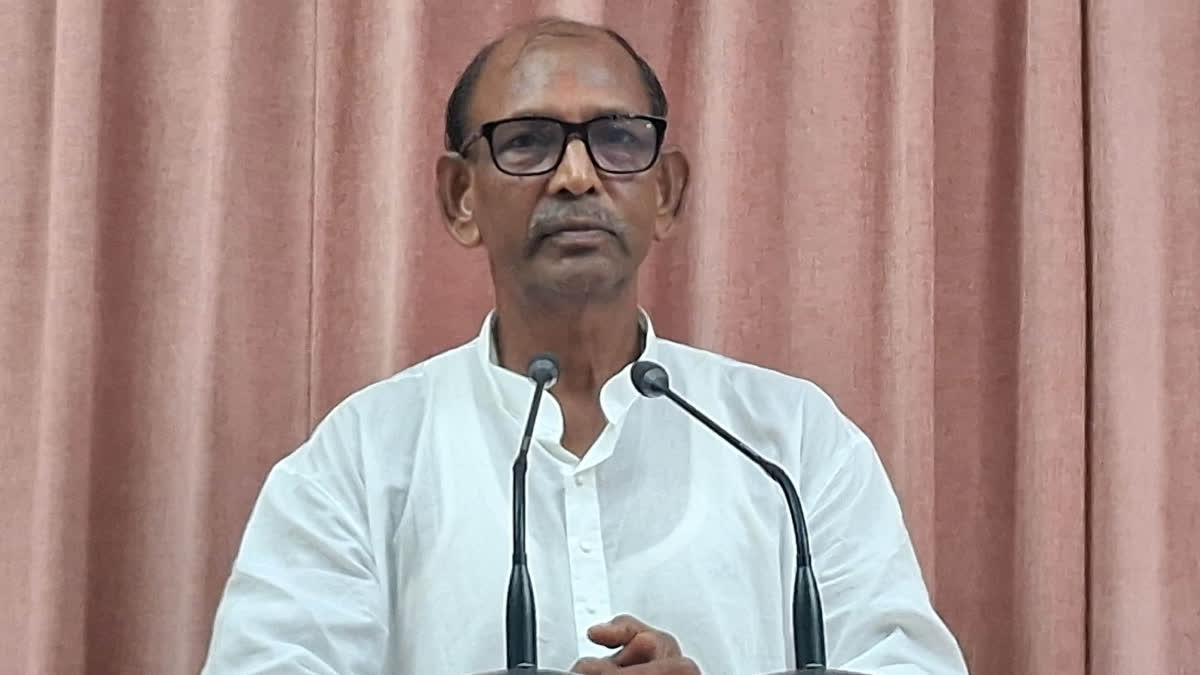
Agriculture Minister Dudh Kumar Mondal said the government had substantially increased funding for agricultural mechanisation over the past few years. According to him, the allocation for the scheme was only Rs 1.14 crore in 2023-24, compared with the record Rs 407 crore subsidy provision this year.
Around 67,585 farmers are expected to directly benefit from the scheme. As part of the government’s push towards alternative energy, 500 solar pump sets will also be installed using state government funds.
The subsidy varies according to the type of agricultural machinery. For large machinery such as power tillers, weeders, reapers, multi-crop threshers and tractor-operated equipment, farmers will receive 50 per cent subsidy of the machinery cost, subject to a maximum of Rs 3 lakh.
For solar pump sets, the subsidy has been fixed at 60 per cent. Farmers purchasing small hand-operated or foot-operated agricultural equipment will be eligible for a one-time grant of 50 per cent of the cost, up to Rs 10,000. A farmer can purchase a maximum of two units of the same type of machinery under the scheme.
80 per cent subsidy for farm machinery banks
The government has offered a substantially higher subsidy for setting up Farm Machinery Banks or machinery hubs. Projects costing up to Rs 30 lakh will qualify for an 80 per cent government subsidy.
Explaining the scheme, Mondal said an unemployed rural youth could set up a machinery bank by taking a loan with the government providing 80 per cent subsidy. For instance, for a Rs 10-lakh tractor, the beneficiary would need to contribute Rs 2 lakh, while the remaining Rs 8 lakh would be covered through the subsidy component.
For projects costing more than Rs 30 lakh, the maximum subsidy has been capped at Rs 24 lakh. Projects exceeding Rs 10 lakh, however, will require a bank loan, while applicants must select at least three different categories of machinery from the specified list.
Rental centres to generate rural employment
The scheme also seeks to promote agricultural machinery rental centres as a means of generating employment among rural youth. The minimum project cost for establishing such a centre has been fixed at Rs 20 lakh. The government will provide a grant equivalent to 40 per cent of the project cost, while the applicant will have to contribute at least 25 per cent from their own funds.
The initiative is aimed at making modern agricultural machinery accessible to farmers who may not be able to afford expensive equipment individually, while simultaneously creating new avenues of employment in rural areas.
Who can apply
The Agriculture Department has laid down specific eligibility criteria for beneficiaries. Applicants must be registered under either Krishak Bandhu (New) or PM Kisan Samman Nidhi and must be aged between 18 and 70 years.
Government and semi-government employees will not be eligible to apply. For purchasing power tillers and solar pumps, applicants must possess agricultural land of at least half an acre, with the Khatian or Parcha standing in their own name. Families that have received benefits under the scheme during the past four years will not be eligible to apply afresh.
Online applications open from October 6
The entire application process will be conducted online. Applications can be submitted through the designated Agriculture Department website from 11 am on October 6, 2026, to November 4, 2026.
Applicants will subsequently have to submit a printed copy of the online application along with the required supporting documents to the concerned block- or district-level office by November 6.
Computerised lottery to ensure transparency
The state government has also promised a transparent selection process to prevent irregularities and the involvement of middlemen. Beneficiaries will be selected through a computer-generated lottery in the presence of the District Approval Committee. The entire selection process will be videographed.
Once the beneficiary purchases the machinery and completes the mandatory geo-tagging process, the subsidy will be transferred directly to their bank accounts through Direct Benefit Transfer (DBT). Mondal said the government would ensure that beneficiaries did not have to pay any additional money to middlemen or anyone else for receiving the machinery or subsidy.
Long or Short, get news the way you like. No ads. No redirections. Download Newspin and Stay Alert, The CSR Journal Mobile app, for fast, crisp, clean updates!
App Store – https://apps.apple.com/in/app/newspin/id6746449540
Google Play Store – https://play.google.com/store/apps/details?id=com.inventifweb.newspin&pcampaignid=web_share