


app-store-logo
play-store-logo
February 9, 2026

UAE Announces Official Rates for Zakat Al Fitr, Fidyah, and Kaffarah Ahead of Ramadan 2026
The CSR Journal Magazine

The UAE Council for Islamic Affairs has officially unveiled the cash values and rates for Zakat Al Fitr, Fidyah, and Kaffarah for Ramadan 2026, in alignment with the calendar year 1447 Hijri. This announcement aims to establish a clear and equitable framework for both donors and beneficiaries throughout the nation.

Rates for Zakat Al Fitr and Fidyah

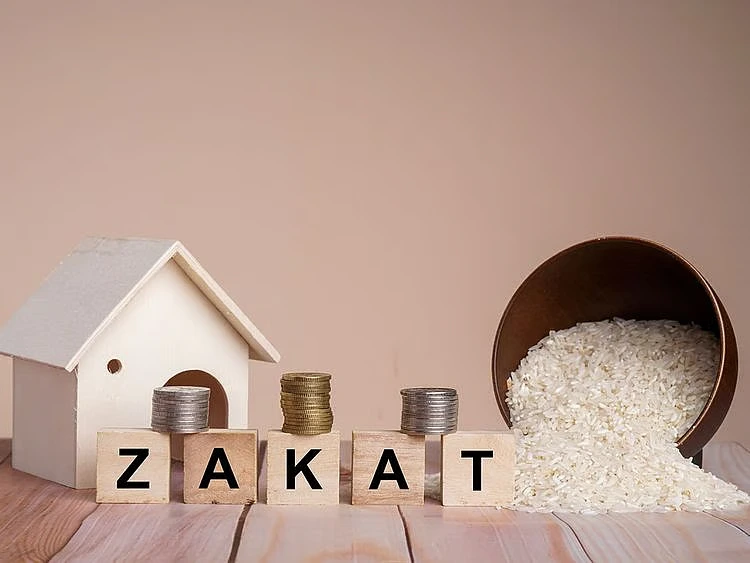
The council has confirmed that Zakat Al Fitr is set at 2.5 kilograms of rice per individual, or a monetary equivalent of Dh25. This obligation is applicable to every eligible Muslim and is designed to assist those in need in preparation for Eid celebrations.

For individuals who are unable to fast, Fidyah has been established at a rate of 3.25 kilograms of wheat or barley per beneficiary per day, or Dh20 in cash. This cash amount also applies to Fidyah cases for feeding. Additionally, Fidyah for prohibited actions committed during Hajj or Umrah is priced at Dh120, to be allocated among six recipients. Furthermore, the minimum value for an iftar meal during Ramadan has been set at Dh20 per meal.

Kaffarah Amounts for Missed Fasts and Vows

The Kaffarah for invalidating a fast during Ramadan or for breaking a vow has been fixed at Dh1,200 per day, which will benefit 60 recipients at a rate of Dh20 each. For broken oaths, the Kaffarah stands at Dh200, distributed among 10 beneficiaries. These specified amounts are designed to provide a structured approach to fulfilling religious duties accurately and consistently.

Methodology Behind the Calculation of Values

The rates established by the council were derived from an extensive field study conducted in collaboration with the Ministry of Economy and Tourism. This study involved market inspections, discussions with suppliers, and price evaluations of essential food items throughout the Emirates. The authorities assert that standardizing these financial obligations enhances efficiency, transparency, and fairness in charitable activities. This move also facilitates smoother collection and distribution processes for both individuals and organizations.

Timing of Payments and Authorized Channels

The council has recommended that Zakat Al Fitr be paid following the Fajr prayer on Eid day but prior to sunset, which maximizes support for those in need during festive periods. Early payments are permitted to assist in avoiding overcrowded conditions at charitable institutions. Payments made post-sunset will be treated as Qada, or compensatory payments, rather than fulfilling the regular obligations. Unjustified delays in payment are advised against.

Cash payments for Zakat Al Fitr have been deemed acceptable, aligned with historical practices. The council referenced that the Prophet Muhammad endorsed money as a substitute for staple food items, and early Muslims often offered monetary donations alongside food supplies. In current times, cash contributions may better address the actual needs of beneficiaries.

Faithful individuals are encouraged to direct their Zakat, Fidyah, and Kaffarah donations through authorized organizations, including the Zakat Fund under the General Authority of Islamic Affairs and Endowments, the Emirates Red Crescent, and various accredited charitable centers and associations across the UAE. The announcement concluded with blessings for a fruitful Ramadan and the continued prosperity of the UAE, along with hopes for the acceptance of charitable efforts from the faithful.

Long or Short, get news the way you like. No ads. No redirections. Download Newspin and Stay Alert, The CSR Journal Mobile app, for fast, crisp, clean updates!

Latest News

Popular Videos
