


Cancer Deaths in Gujarat Villages Linked to Contaminated Water
The CSR Journal Magazine

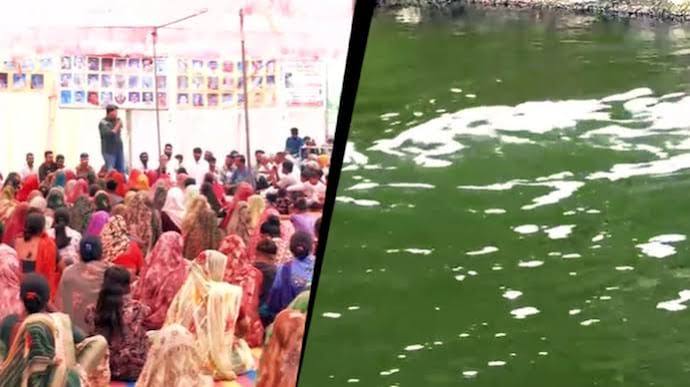
A protest concerning the alleged contamination of drinking water in five villages of Dholka, located in the Ahmedabad district of Gujarat, has reached its twelfth day. Local residents assert that there have been 54 cancer-related fatalities over the past seven years, which they attribute to industrial activities nearby. Villagers from Bhetavada, Trasad, Nesda, Paldi, and Ambareli are maintaining a sit-in to demand effective action for their health and safety.

The villagers claim they have battled with contaminated water for almost 15 years and have made numerous appeals to various authorities, including the panchayat, municipality, Gujarat Pollution Control Board (GPCB), and the local MLA. According to them, their concerns have not been sufficiently addressed. They are currently demonstrating at Bhetavada, seeking immediate governmental intervention.

Participants in the protest allege that five factories in the vicinity are responsible for discharging chemical-laden water into local drains. This contamination, they say, seeps into groundwater, adversely affecting the water supplied through village borewells. The villagers cite different forms of cancer, including oesophageal cancer, appearing among residents who have no prior history of substance abuse.

Health Concerns Intensified by Proximity to Educational Institutions

Residents have raised alarms over a drain carrying what they describe as chemically contaminated water located near a government school in Bhetavada. Parents are reportedly anxious about their children’s health, as contaminated water occasionally affects the school’s borewell. Concerns are mounting as skin ailments have started to afflict individuals of all ages, including young children.

In addition to cancer cases, residents are increasingly worried about the water quality from village borewells, leading many to hesitate before consuming it. The situation raises fears about long-term health implications for the community as untreated water ingress persists.

Among the protestors is fourteen-year-old Akshay Navganbhai from Bhetavada. He shared harrowing accounts of his family’s struggle with cancer, having lost his father and grandmother to the disease. This personal story highlights the broader health crisis that many families in the area are now facing.

Impact of Cancer Treatment on Local Families

The protest has revealed the severe financial strain cancer treatment has had on several families. Harshad Makwana, a resident battling oesophageal cancer, disclosed that his treatment at a private facility had cost around Rs 10 lakh. He lamented the financial burden resulting from prior cancer treatments endured by family members, indicating a pattern of loss and hardship.

Nareshbhai, another protest participant, shared the challenges faced by his family as both his parents were diagnosed with cancer. He highlighted the financial strain from treatments amounting to Rs 9 lakh, underscoring the urgency for improved oversight of local industrial practices that residents believe are contributing to this health crisis.

Other locals, like Ravindrabhai and Kajal Makwana, vividly recounted their experiences with family members struggling with cancer and the subsequent financial toll on their households. Each story adds to the collective narrative of anguish among the villagers over what they perceive as preventable health crises linked to pollution.

Continuation of Protests and Community Concerns

As the protest persists until September 8, villagers assert they will escalate their actions if their demands are not adequately addressed. They have expressed intentions to march to Gandhinagar and call attention to their grievances during a session at the Gujarat Legislative Assembly.

The movement has galvanised considerable support from the community, particularly women from all five villages, who demand accountability regarding the alleged water contamination and the health implications accompanying it. Local health officials, including Ahmedabad’s Chief District Health Officer, Dr Rajnikant Kapadia, have acknowledged the need for a thorough investigation into these cancer cases, which residents firmly believe are linked to environmental hazards.

The ongoing situation in Dholka reflects broader concerns over industrial pollution’s impact on public health, particularly in vulnerable communities. As the protest continues, villagers remain committed to seeking justice and protections for their health and environment.

Long or Short, get news the way you like. No ads. No redirections. Download Newspin and Stay Alert, The CSR Journal Mobile app, for fast, crisp, clean updates!

App Store –  https://apps.apple.com/in/app/newspin/id6746449540 

Google Play Store – https://play.google.com/store/apps/details?id=com.inventifweb.newspin&pcampaignid=web_share

Latest News

Popular Videos
