


Nepal Labels Severe Floods As Himalayan Tsunami With Death Toll Exceeding 1,250
The CSR Journal Magazine

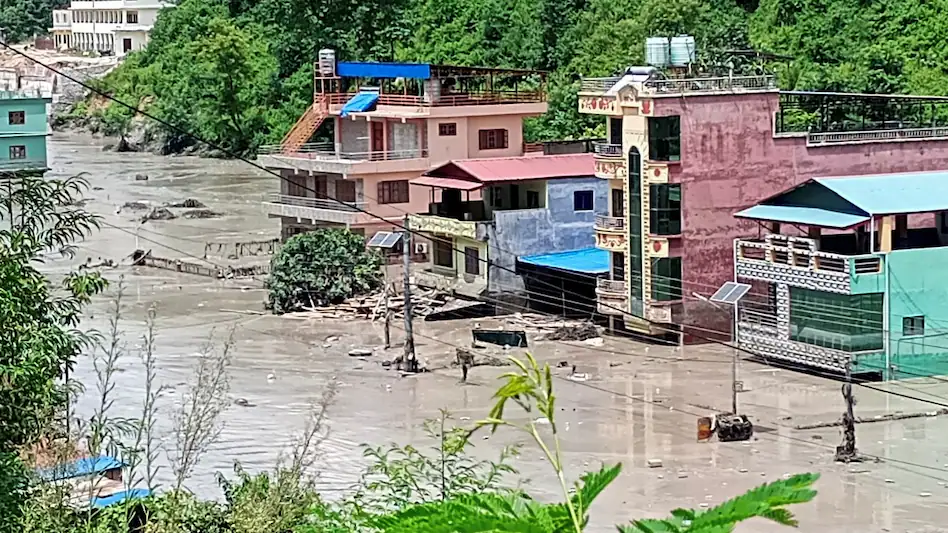
Nepal’s Foreign Minister Shisir Khanal referred to the devastating floods ravaging the nation as a “Himalayan Tsunami” on Thursday, 3 September 2026. This statement came amidst the government’s ongoing efforts to address the crisis, which has reportedly resulted in over 1,250 confirmed fatalities and left more than 4,800 individuals unaccounted for. The situation has been dire since an ice-rock avalanche triggered flash floods near the Nepal-Tibet border on 26 August.

In his briefing to diplomats in Kathmandu, Khanal underscored the government’s primary aim: to enhance search and rescue operations targeting both Nepalese and foreign individuals caught in the disaster. He expressed gratitude to neighbouring nations and international organisations for their support during this challenging time.

Continuing Search And Rescue Operations

As rescue efforts continue, the Nepalese government is working to evaluate the extent of the destruction caused by the floods, particularly in northern and central regions. Many towns and villages have suffered severe damage, complicating the response and recovery process. Khanal also took the opportunity to inform foreign diplomats about the conditions of non-Nepalese nationals in the affected areas.

The Foreign Minister acknowledged the cooperation of various nations and international bodies in responding to the disaster. He remarked on the importance of ongoing collaboration and support as the nation navigates the aftermath of this natural calamity.

Several ambassadors, heads of diplomatic missions, and representatives from global organisations, including the World Bank and the Asian Development Bank, were present during the briefing to discuss the response to the crisis. Khanal’s comments highlighted the scale of the tragedy, affirming the country’s need for sustained assistance.

Climate Change Discussion In The Aftermath

Khanal’s remarks also included observations on climate change and its implications for Nepal. Days before the briefing, he had discussed with a private television channel the responsibility of major greenhouse gas emitters, specifically citing China, the United States, and India. He argued these countries bear a “historical responsibility” to support vulnerable nations like Nepal, which contributes minimally to global carbon emissions.

Prime Minister Balendra Shah has echoed the need to address the links between the disaster and climate change on international platforms, indicating a strong desire for global awareness and action concerning environmental issues affecting Nepal.

In addition to the immediate response to the flooding, Nepal’s leadership is stressing the importance of long-term discussions on climate change and its effects, further imploring international cooperation in combating the systemic challenges posed by such disasters.

Long or Short, get news the way you like. No ads. No redirections. Download Newspin and Stay Alert, The CSR Journal Mobile app, for fast, crisp, clean updates!

App Store –  https://apps.apple.com/in/app/newspin/id6746449540 

Google Play Store – https://play.google.com/store/apps/details?id=com.inventifweb.newspin&pcampaignid=web_share

Latest News

Popular Videos
