


Nepal Affirms Excellent Ties With India and Advocates Pragmatic Cooperation
The CSR Journal Magazine

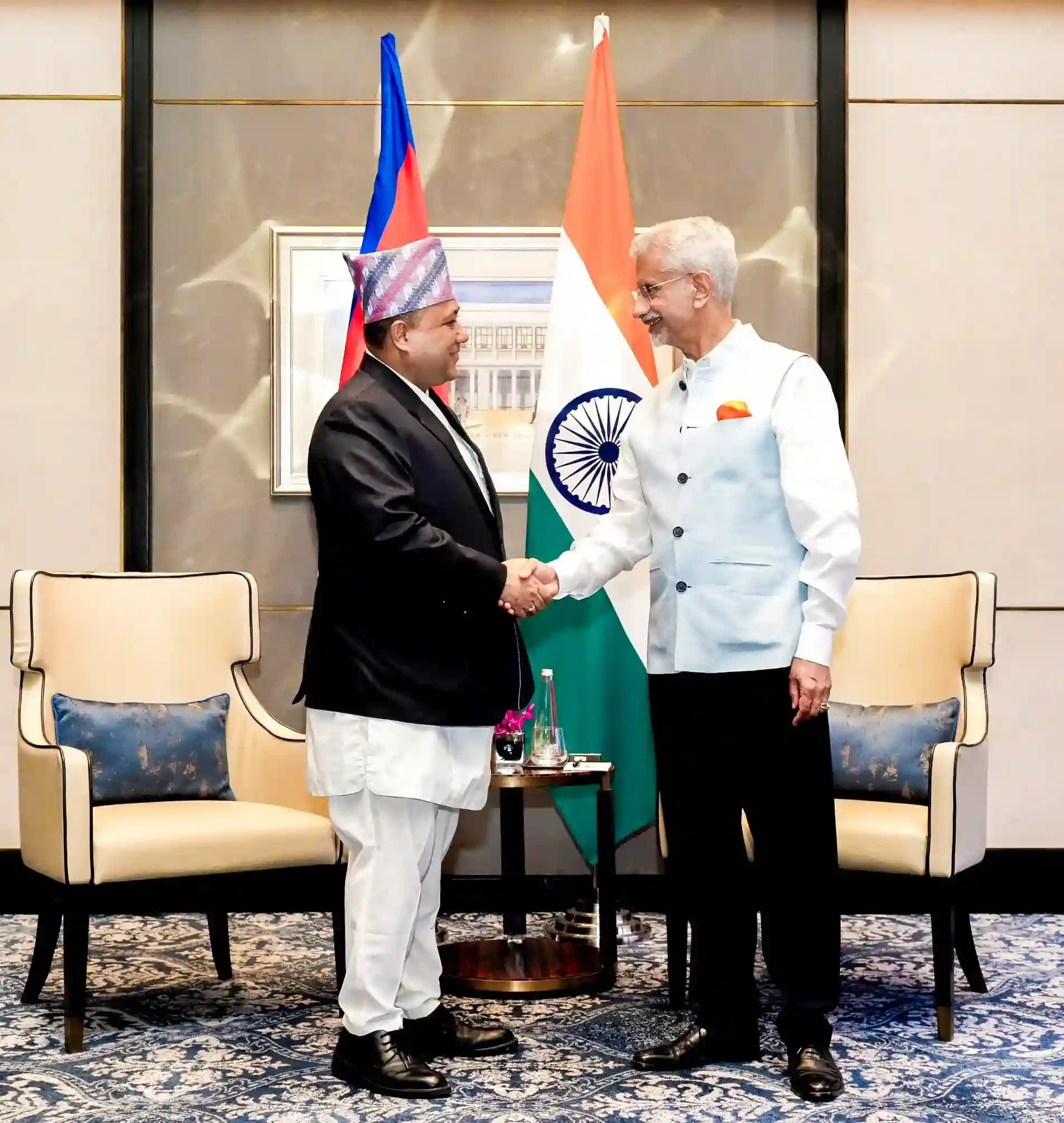
Nepal holds an “excellent” relationship with India, as asserted by Foreign Affairs Minister Shisir Khanal during a discussion in New York. He emphasised the nation’s shift towards a “pragmatic” approach, focusing on opportunities for collaboration rather than challenges. Khanal described the political relationship between the two countries as subject to fluctuations but currently stable and productive.

During his remarks at the Asia Society on Thursday, Khanal acknowledged recent high-level exchanges between both nations, including a meeting with Indian External Affairs Minister S Jaishankar. This interaction underscores an ongoing commitment to enhancing diplomatic ties. The minister highlighted that Nepal’s extensive trade relations with India, which account for two-thirds of its total trade, form a significant part of this bilateral connection.

Emphasis on Practical Cooperation

Khanal articulated Nepal’s strategy of prioritising practical collaboration over ideological differences in its dealings with both India and China. He noted that while contentious issues, such as border disputes, remain, the current focus is on fostering economic opportunities. In discussing energy trade, he pointed out that Nepal’s economy is heavily reliant on imports and stressed the importance of establishing positive momentum in this sector.

During his opening remarks, he referred to Nepal’s geographical position in relation to its larger neighbours, suggesting that this should not limit the country’s ambitions. He affirmed, “Nepal is strategically positioned,” advocating for the maximisation of regional economic integration through enhanced connectivity and mutual cooperation.

Khanal proposed that turning proximity into production is vital for Nepal. He outlined the geographical advantages of the country, which shares an open border of over 1,700 kilometres with five Indian states, facilitating interaction with a vast market while utilising its own rich agricultural potential. This vision incorporates a policy of “thick connectivity and thin borders,” aiming to develop reciprocal economic interdependence.

Hydropower and Regional Economic Prospects

Additionally, Khanal discussed Nepal’s substantial hydropower potential, estimating that the nation’s perennial rivers could yield up to 43 gigawatts of economically viable energy. He projected that by scaling up to 28,000 megawatts by 2035, Nepal can significantly contribute to regional industrial decarbonisation by exporting clean electricity to India and beyond to Bangladesh.

The minister also highlighted the possibility for global and Indian companies to establish resilient supply chains by manufacturing in Nepal’s designated special economic zones, benefitting from lower costs and reliable access to green energy. This aspect illustrates Nepal’s strategic commitment to positioning itself as a valuable partner in the broader supply chain amidst growing environmental concerns.

Regarding Nepal’s engagement with China, Khanal reiterated a pragmatic approach focused on long-term sustainability rather than mere infrastructure development. He envisioned a transformation of Nepal from a landlocked to a land-linked economy, signifying cooperation with both neighbours as complementary rather than competitive.

Khanal’s statements collectively framed Nepal’s current foreign policy as one rooted in practical cooperation across trade, energy, connectivity, and market access with India and China, reinforcing the strength of ties with India amidst occasional political fluctuations.

Long or Short, get news the way you like. No ads. No redirections. Download Newspin and Stay Alert, The CSR Journal Mobile app, for fast, crisp, clean updates!

App Store –  https://apps.apple.com/in/app/newspin/id6746449540 

Google Play Store – https://play.google.com/store/apps/details?id=com.inventifweb.newspin&pcampaignid=web_share

Latest News

Popular Videos
