


India, Nepal & a Changing Security Landscape
The CSR Journal Magazine

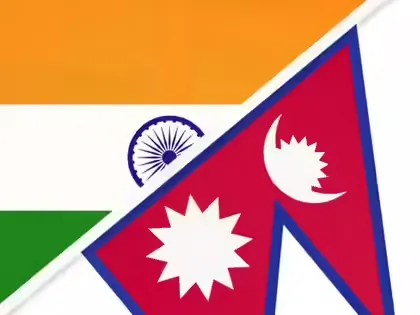
Nepal has long been more than just a neighboring country to India. The relationship was characterized by shared cultural values and geographical proximity. For many years, the open border symbolized mutual trust and cooperation, allowing for easy movement of people and communal ties. This understanding was deeply rooted in the notion of Roti-Beti, where both nations shared not only resources but also familial connections. This narrative has shaped India’s historical perspective on its relationship with Nepal, fostering an environment where the nations viewed each other as allies.

Emerging Threats and Security Concerns

However, this stable relationship has experienced significant challenges in recent years. Security threats emerging from the open border have prompted a reevaluation of how both nations interact. India has identified that the same border that represented tranquility also became a pathway for organized crime and terrorism, particularly through networks supported by Pakistan’s ISI. Groups like Lashkar-e-Taiba and Jaish-e-Mohammed have reportedly used Nepal as a base for their activities, leading to a rise in radicalization and illicit trafficking of various commodities.

India’s Evolving Strategy

In response to these emerging threats, India has shifted its approach, transitioning from civil policing to a more robust border management strategy. This change has, however, tempered the relationship between the two countries, leading to a reconsideration of how close the ties should be. India’s proactive border policies have been interpreted as a departure from the warmth of the past. The once-celebrated narrative of shared identity has been supplanted by a more guarded discourse about security and border management.

China’s Growing Influence

As India recalibrated its strategy, China began to increase its presence in Nepal through substantial investments in both infrastructure and education. Chinese initiatives targeted regions in Nepal that were previously neglected by India, thereby gaining the trust of the local population. This strategic maneuvering significantly altered the political landscape in Nepal, contributing to the disintegration of the monarchy and giving rise to Maoist-led governance amid ongoing political turbulence.

Missed Opportunities and Miscalculations

India’s strategy suffered from a critical miscalculation, as it focused heavily on back-channel negotiations with certain political factions in Nepal, overlooking broader national sentiments. The demographic and geographical realities of Nepal, particularly in the southern tarai belt inhabited by the Madhesi community, have amplified the sensitivity of the relationship. After the disastrous 2015 earthquake, the Madhesi community, feeling marginalized, enacted a blockade against the central government, significantly impacting the flow of essential goods and leading to perceptions of India as indifferent to Nepal’s plight.

Generational Shifts in Sentiment

The evolving aspirations of Nepal’s youth have further complicated matters. The younger generation is increasingly calling for governance that is transparent and free from corruption, demonstrating frustration with existing political structures. India has not fully grasped this generational shift and continues to rely on outdated narratives that no longer resonate with the aspirations of a new cohort. This disconnect has caused resentment and weakened ties that were once based on cultural affinity.

A Call for Urgent Action

In light of increasing Chinese influence and evolving socio-political dynamics, India faces a pressing need to reassess its approach to Nepal. The India-Nepal Treaty from 1950 requires urgent revision that should include cooperative discussions, ensuring that both nations can move past historical grievances. As Nepal’s new leadership seeks genuine governance reforms, India must respond with sincerity to build stronger, mutually beneficial relationships characterized by respect for sovereignty and dignity.

Creating Sustainable Collaborations

Moving forward, India should focus on fostering local development initiatives that resonate with the priorities of the Nepali people. By enhancing cross-border cooperation on various fronts, including economic growth and cultural exchange, India can rebuild the sense of affinity that has diminished over the years. For a fruitful relationship to emerge, it is essential to respect Nepal’s choices, paving the way for a partnership based on dignity and shared goals.

Long or Short, get news the way you like. No ads. No redirections. Download Newspin and Stay Alert, The CSR Journal Mobile app, for fast, crisp, clean updates!

App Store –  https://apps.apple.com/in/app/newspin/id6746449540 

Google Play Store – https://play.google.com/store/apps/details?id=com.inventifweb.newspin&pcampaignid=web_share

Latest News

Popular Videos
