


AIADMK’s Strength Drops Further In Tamil Nadu Assembly
The CSR Journal Magazine

The political upheaval within the AIADMK has reached a new level as the Tamil Nadu Assembly Speaker accepted the resignation of another Member of the Legislative Assembly (MLA). This resignation marks the fourth such departure from the party, which now finds its strength reduced to 43 MLAs. The recent changes come amidst ongoing internal strife within the party leadership.

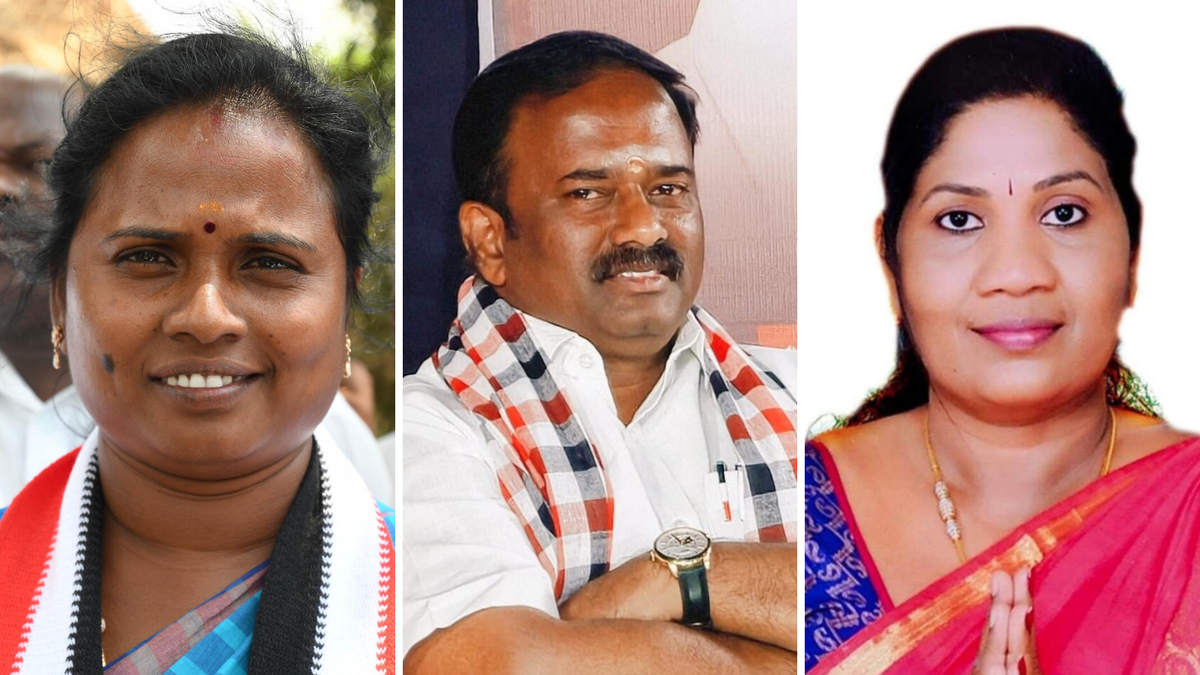
Reports indicate that the latest resignation was submitted by MLA A. K. S. P. Kumar, who won the legislature seat from the Ramanathapuram constituency. As with previous resignations, Kumar expressed dissatisfaction with the current direction of the AIADMK, further complicating the party’s attempt to maintain a robust opposition presence in the assembly.

This series of resignations began to unfold after the leadership transition in AIADMK. Following the demise of former Chief Minister J. Jayalalitha, the party has faced various challenges in retaining its membership and addressing internal conflicts among its ranks.

Impact on AIADMK’s Legislative Power

The acceptance of Kumar’s resignation represents a critical setback for the AIADMK as it reduces the party’s strength to 43 members in the 234-member Tamil Nadu Assembly. This decrease in numbers poses significant implications for the party’s ability to engage effectively in legislative procedures and dilutes their influence in the opposition bloc.

Political analysts have noted that a weakened legislative position may hinder the party’s chances in future electoral contests. The unfolding events suggest a fracturing of support among constituents, which may lead to further departures if confidence in the party’s leadership continues to wane.

As the AIADMK grapples with this crisis, party spokespersons have called for unity among the remaining members, urging them to focus on the party’s core message. However, internal discord appears to undermine this call, leading to speculation about possible future exits.

Broader Context of the Political Crisis

The current crisis reflects broader issues within the AIADMK, rooted in leadership struggles and the management of party affairs since Jayalalitha’s passing in December 2016. Since then, the party has seen a series of leadership changes, which have led to dissatisfaction among the ranks and challenges in consolidating power.

Previously, the AIADMK enjoyed a more stable majority, but recent developments indicate increasing disarray. The effective functioning of the party has been compromised as leadership battles persist between factions. Attempts to mediate these conflicts have reportedly been unsuccessful.

As political uncertainties continue to mount, the AIADMK’s long-term viability hangs in the balance. The party faces pressure not just from within, but also from rival political entities, which are keen to capitalise on its diminished standing. Analysts suggest that without a strategic reevaluation, AIADMK may continue to lose its electoral foothold.

The situation remains fluid, and many eyes are now on the AIADMK leadership to see how they plan to counter this growing dissent and to stabilise their position within Tamil Nadu’s political landscape. There is a pressing need for clear leadership and direction if the party is to regain its former prominence.

Long or Short, get news the way you like. No ads. No redirections. Download Newspin and Stay Alert, The CSR Journal Mobile app, for fast, crisp, clean updates!

App Store –  https://apps.apple.com/in/app/newspin/id6746449540 

Google Play Store – https://play.google.com/store/apps/details?id=com.inventifweb.newspin&pcampaignid=web_share

Latest News

Popular Videos
