


Shops Reopen on Flores, Indonesia Following Devastating Earthquake
The CSR Journal Magazine

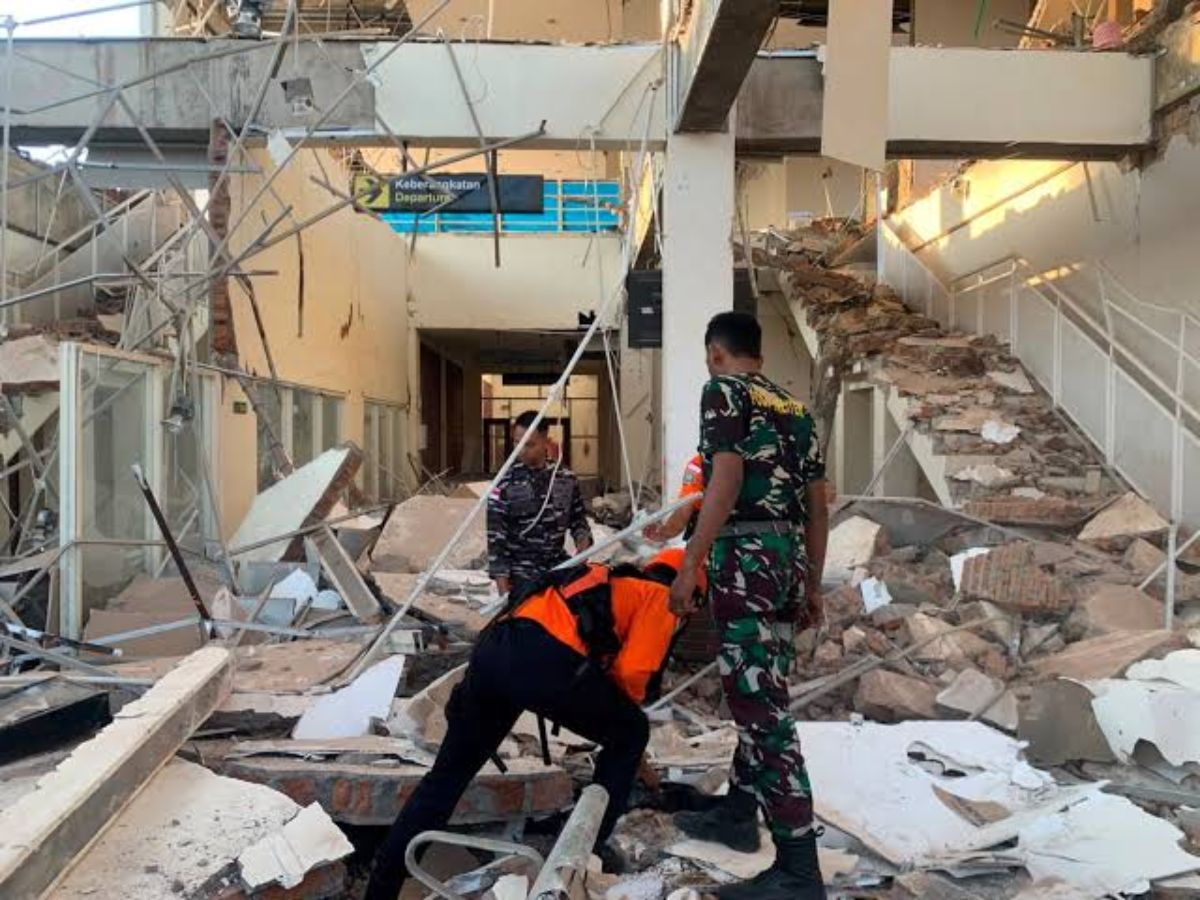
Shops including grocery stores and petrol stations have restarted operations in parts of Indonesia on Wednesday, four days after a significant earthquake struck near Flores, resulting in at least 70 fatalities and nearly 1,200 injuries. Rescue teams are still engaged in searching through debris for potential victims. Over 40,000 individuals are currently residing in tents, evacuation centres, and makeshift shelters.

The earthquake occurred shortly before 6 am on Saturday, causing extensive damage across the island of Flores in the East Nusa Tenggara province. According to reports from the National Disaster Management Agency and other officials, the quake resulted in damage to at least 11,925 homes, along with 182 health facilities, 653 schools, 184 government offices, and 173 places of worship.

Governor Emanuel Melkiades Laka Lena of East Nusa Tenggara stated that immediate needs for food and water have been addressed. Local authorities in the seven regencies impacted by the earthquake have resumed operations to expedite post-disaster recovery and meet administrative requirements for the community.

Extent of Damage and Community Response

The United States Geological Survey reported the earthquake struck at a depth of 10 kilometres, causing significant panic among residents when tsunami warnings were issued and subsequently lifted. The authorities have recorded over 2,100 aftershocks as of Tuesday, though only 70 of these were felt by the local population.

Many residents across the island chose to spend nights outdoors due to concerns about potential aftershocks. Rescue workers have been clearing streets still littered with debris, alongside mud caused by landslides. Fathur Rahman, the coordinator of the search mission, highlighted the ongoing efforts to clear the rubble while anticipating the discovery of more victims.

In Maumere, a city within Sikka regency, markets and petrol stations attracted crowds as they reopened, while Reo, another town severely affected in the Manggarai regency, saw long queues outside a grocery store, which had only partially resumed operations to manage customer numbers. Local resident Delvina Panjaitan remarked that while food aid has been beneficial, it does not fully meet daily requirements, stressing the need for grocery stores and markets to fully operate again.

Geological Context and Historical Significance

Indonesia, with its vast archipelago of more than 17,000 islands, faces a high risk of earthquakes and volcanic activity due to its position on the Pacific Ring of Fire. The island of Flores experienced one of the country’s most catastrophic disasters in 1992, when an earthquake followed by a tsunami led to approximately 2,500 deaths. The recent earthquake has resulted in substantial casualties, with at least 70 reported dead, nearly 1,200 injured, and tens of thousands displaced, indicating a slow return to normalcy in certain areas.

Despite the challenges, local governments and organisations are working to support the affected population as they begin the long process of recovery. The reopening of businesses is a significant step towards restoring daily life, while ongoing rescue efforts aim to provide closure and assistance to those still affected by the disaster.

The situation remains dynamic, as both local and national authorities continue to respond to the aftermath of the earthquake, aiming to restore stability and support to the communities grappling with the impact of this natural disaster.

Long or Short, get news the way you like. No ads. No redirections. Download Newspin and Stay Alert, The CSR Journal Mobile app, for fast, crisp, clean updates!

App Store –  https://apps.apple.com/in/app/newspin/id6746449540 

Google Play Store – https://play.google.com/store/apps/details?id=com.inventifweb.newspin&pcampaignid=web_share

Latest News

Popular Videos
