


Study Finds Short Videos May Reduce Brain Activity Related to Focus
The CSR Journal Magazine

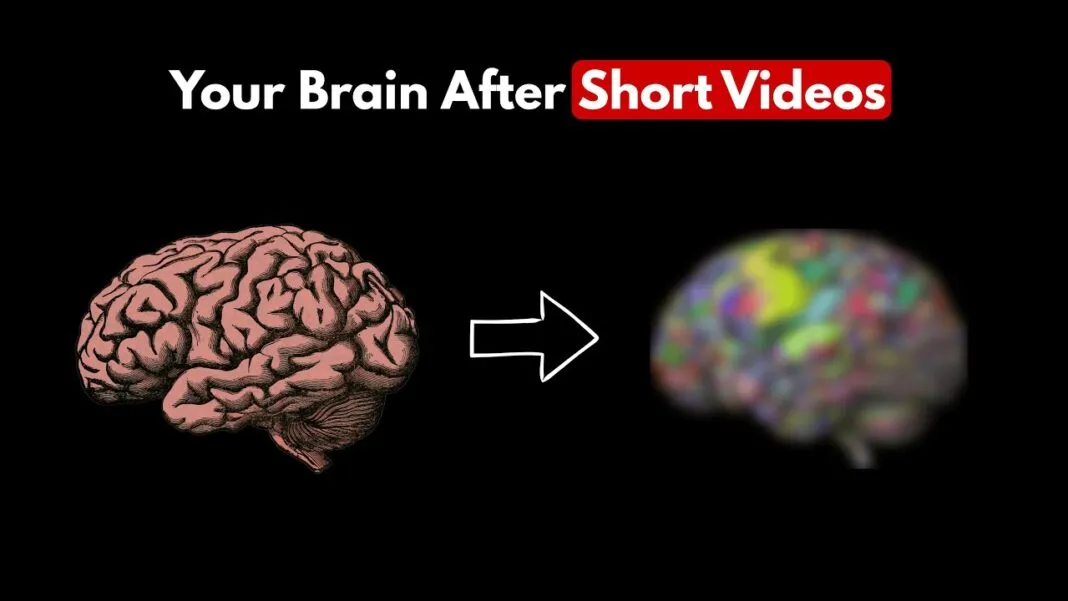
A recent study highlights that short-form videos, such as Instagram Reels and YouTube Shorts, may have a notable impact on brain activity associated with cognitive control. Researchers suggest that these videos, which are often less than 30 seconds long, can temporarily decrease activity in regions of the brain responsible for focus and decision-making. This psychological effect potentially explains why viewers tend to keep scrolling through content for extended periods.

Research Methodology

The research was conducted by examining a sample of 56 young adults who viewed various short videos while their brain activity was monitored using functional magnetic resonance imaging (fMRI). They watched clips that included diverse themes, such as nature, pets, and gaming, granting them the option to skip any videos at their discretion. The research team utilised proton magnetic resonance spectroscopy to measure neurotransmitter levels, focusing on glutamate and GABA, in conjunction with brain activity observations.

Particular attention was given to two regions associated with cognitive control: the dorsal anterior cingulate cortex (dACC) and the dorsolateral prefrontal cortex (dlPFC). These areas are involved in essential tasks such as regulating behaviour, responding to changes in situations, and managing attention. During the testing period, differences in brain activity were analysed based on whether participants continued viewing videos they enjoyed or opted to skip them.

The findings indicated a drop in activity in the dACC and dlPFC when participants remained engaged with preferred videos. This suggests that while enjoying the content, their cognitive functions related to concentration and self-control were momentarily impaired.

Implications of the Study

It is important to note that the research does not imply that short videos cause total disengagement of the brain. The study found a measured decrease in activity in specific areas rather than a complete shutdown. Furthermore, it does not suggest permanent damage or long-term cognitive deficits from such viewing habits.

Additionally, prior research has also explored the cognitive effects associated with short-form video consumption. A 2025 study titled “Context-switching in short-form videos: What is the impact on prospective memory?” conducted by Nicholas Barton and Michael Smyth, indicated that the rapid shifts in context can hinder an individual’s ability to remember future intentions. This suggests that short videos could disrupt prospective memory, which refers to remembering tasks one intends to do later.

In June 2026, another study by researchers Kaiyue Zhai, Yunfei Guo, and Li Wang, titled “The Influence of Short-Video Usage on Prospective Memory Under Different Cue Type Conditions,” further corroborated these findings. The results revealed that extended viewing of short videos could diminish task accuracy, particularly for those requiring users to remember critical actions. The extent of these effects varied based on the attention demands of different tasks.

Long or Short, get news the way you like. No ads. No redirections. Download Newspin and Stay Alert, The CSR Journal Mobile app, for fast, crisp, clean updates!

App Store –  https://apps.apple.com/in/app/newspin/id6746449540 

Google Play Store – https://play.google.com/store/apps/details?id=com.inventifweb.newspin&pcampaignid=web_share

Latest News

Popular Videos
