


Colombia to Euthanise Eighty Wild Hippos Once Owned by Pablo Escobar
The CSR Journal Magazine

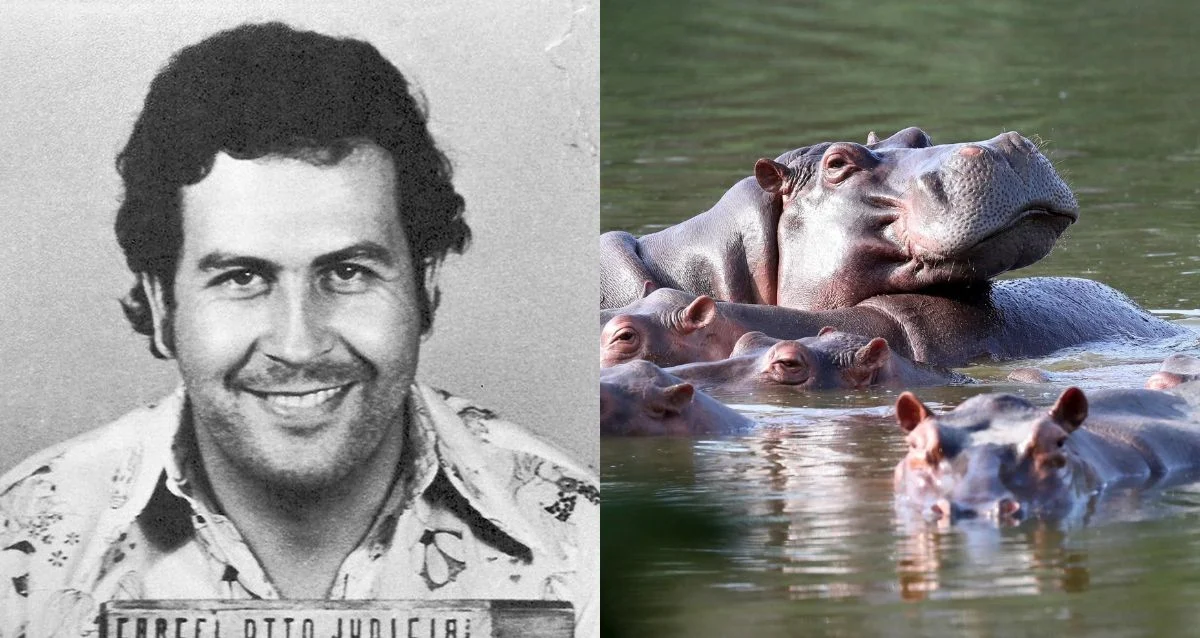
Colombia is set to euthanise eighty wild hippos that were originally owned by notorious drug lord Pablo Escobar. Following Escobar’s death in 1993, these hippos were left to roam free in the waters of the Magdalena River. Since then, their population has grown exponentially, raising concerns about their impact on local ecosystems.

Initially, Escobar imported four hippos from Africa to his private zoo in the 1980s. After his demise, these animals escaped into the wild and have since thrived in Colombia’s climate. Currently, it is estimated that the population has increased to around 1,500 hippos, a situation that has led to various environmental challenges.

Reasons for Euthanisation

The Colombian government has deemed euthanisation as a necessary measure to manage the overwhelming hippo population. Experts have raised alarm regarding the ecological consequences of these non-native animals. As they reproduce, hippos have been reportedly damaging the local flora and impacting water quality due to their substantial waste output.

Authorities have indicated that without intervention, hippos could pose a threat to human safety, particularly in rural areas where encounters may become more common. Wildlife officials have suggested that, in addition to ecological concern, the growing population has led to increased incidents of hippos encroaching on farmland, causing property damage.

Colombian environmental experts and authorities have argued that ethical considerations aside, removing the hippos could provide a necessary balance to the ecosystem. Euthanisation, they assert, is the most viable solution as other methods, including relocation, have proven challenging and resource-intensive.

International Reactions and Alternatives

The decision to euthanise the hippos has sparked a significant reaction from animal rights advocates and international organisations. Many contend that humane alternatives should be prioritised, including efforts to relocate them to sanctuaries where they can live in environments more suited to their needs. Critics believe that several countries may be potential candidates to receive these animals, highlighting the need for global cooperation in wildlife management.

Colombian authorities have been faced with the complex task of balancing ecological integrity with public sentiment. The Duke University Centre for Reconciliation has been vocal in urging the Colombian government to explore innovative solutions rather than resorting to euthanisation, which they argue could set an adverse precedent for wildlife management globally. This discussion has also raised awareness about the responsibilities of private animal ownership and the implications of introducing foreign species into new ecosystems.

While the Colombian government insists that they are acting in the best interests of biodiversity, the growing discourse surrounding this issue indicates a broader conversation about wildlife conservation and animal welfare. As the situation unfolds, stakeholders from various fields are paying close attention to how Colombia addresses this unique challenge, with the world’s eyes now on their next steps in managing the hippo population effectively.

Long or Short, get news the way you like. No ads. No redirections. Download Newspin and Stay Alert, The CSR Journal Mobile app, for fast, crisp, clean updates!

App Store –  https://apps.apple.com/in/app/newspin/id6746449540 

Google Play Store – https://play.google.com/store/apps/details?id=com.inventifweb.newspin&pcampaignid=web_share

Latest News

Popular Videos
