


Trump’s Relationship With Senate Republicans Faces Increasing Strain
The CSR Journal Magazine

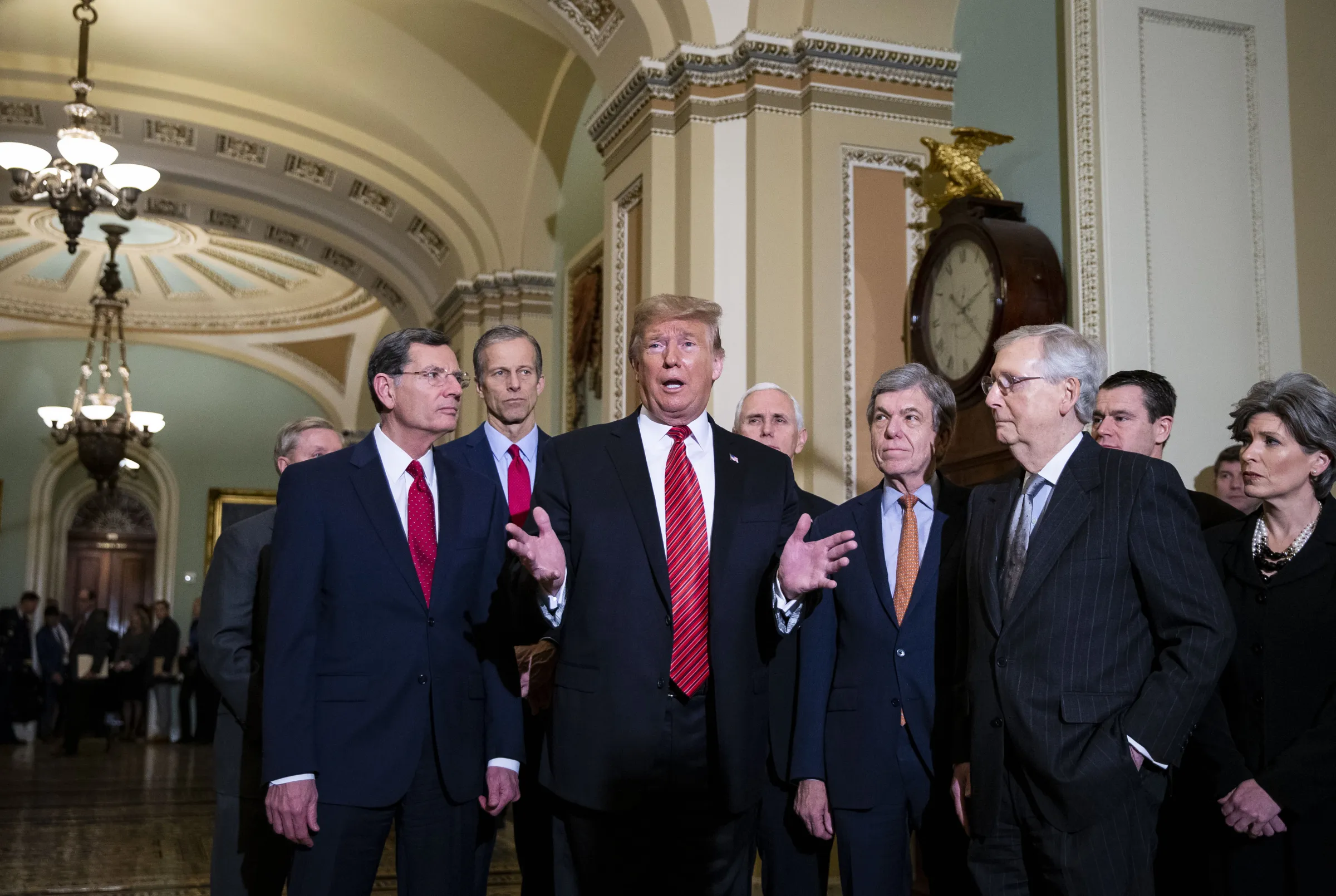
The relationship between US President Donald Trump and Senate Republicans is reportedly reaching a critical point as tensions escalate over nominations and legislative priorities. This week, Trump disrupted the confirmation process for his nominee Jay Clayton for the position of national intelligence director, postponing the confirmation hearing scheduled just hours earlier. This unexpected intervention has prompted criticism from Senate Republicans, highlighting a growing rift within the party.

Senator Thom Tillis expressed his concern after Clayton’s nomination was delayed, stating that Trump appeared to be unaware of the complexities surrounding the decision. The sudden shift in plans has added to an already heated atmosphere among Senate Republicans, many of whom are facing pressure to defend their majorities ahead of the upcoming November elections.

Policy Disagreements Emerge

The tensions are not limited to nomination issues but extend to broader policy disagreements. Reports indicate that Trump has shifted his focus away from significant elements of the Republican agenda. His current priority appears to be the SAVE America Act, which mandates proof of citizenship for voting—a proposal that faces significant hurdles in Congress.

As Trump pushes for this legislation, he has simultaneously called for funding of his White House ballroom project and suggested appointing a temporary intelligence director who lacks support among Senate Republicans. The situation has led to a halt in Senate business, creating additional challenges for Senate Majority Leader John Thune, who has received direct requests from Trump regarding legislative changes.

Trump’s insistence on eliminating the filibuster and passing the SAVE America Act has put Thune in a difficult position. In both public and private discussions, Thune has indicated that the necessary votes are not available, yet Trump continues to advocate for his proposals, proclaiming that failure to pass the bill would jeopardise the Republican legacy.

Signs of Division Within the Party

While no overt rebellion among Senate Republicans has materialised, underlying divisions are becoming increasingly evident. Critics within the party have surfaced, including some of Trump’s previous allies. Senator Bill Cassidy, who has openly challenged Trump’s recent decisions, labelled a particular foreign policy action as a significant mistake, further illustrating the lack of unity among Senate Republicans.

Moreover, tensions emerged during a private conference lunch this week, where some Republican senators voiced their disapproval of Senator Mike Lee’s push to eliminate the filibuster. This internal conflict has underscored the challenges the party faces in aligning their legislative goals with Trump’s directives, particularly in the lead-up to the elections.

Notably, Senator John Cornyn responded to Lee’s comments, urging him to take responsibility for securing the necessary votes instead of merely critiquing others. Such exchanges signal a growing unease within the party, as differing opinions on strategy and direction continue to surface.

In summary, the once solid alliance between Trump and Senate Republicans is increasingly strained. Disagreements concerning nominations, legislative initiatives, and the broader Senate agenda are impacting the party’s ability to operate effectively as elections approach. With internal divisions becoming more pronounced, the Republican Party faces significant challenges in navigating its future direction and maintaining party unity.

Long or Short, get news the way you like. No ads. No redirections. Download Newspin and Stay Alert, The CSR Journal Mobile app, for fast, crisp, clean updates!

App Store –  https://apps.apple.com/in/app/newspin/id6746449540 

Google Play Store – https://play.google.com/store/apps/details?id=com.inventifweb.newspin&pcampaignid=web_share

Latest News

Popular Videos
